Your Garden Is Waiting — Are You Ready for Summer?
Summer is the best time of year to be any gardener.
The days are long. The sun is strong. And the soil is warm and eager to cooperate.
Whether you have a sprawling backyard, a raised bed, or even just some pots on the step of your apartment balcony, summer will provide you with the ideal conditions to grow food that actually tastes good. Never buy tomatoes or cucumbers in a supermarket again!
But not all plants do well in summer heat. Some love it. Some hate it. Knowing what crops need to go in your summer garden can be the difference between a bumper crop and a total flop.
That’s exactly what this article is about.
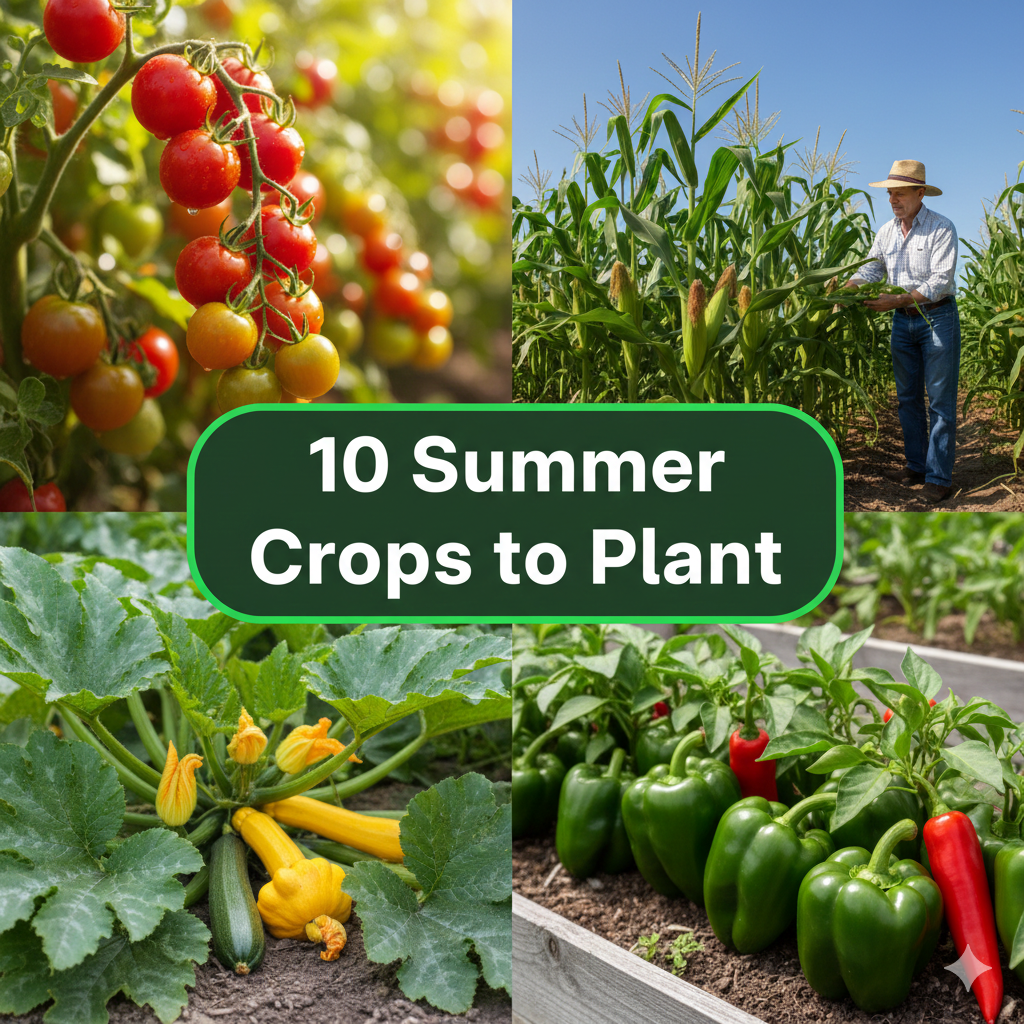
So, here are 10 summer crops that thrive in the heat, repay your efforts, and fill your kitchen with fresh, homegrown goodness all summer long.
What Makes a Crop “Summer-Ready”?
Before we jump into the list, it helps to know what defines summer crops and how they differ from the rest.
Summer crops are warm-season plants. They require soil temperatures in excess of 60°F (15°C) to germinate and prosper. Frost will kill them. Cold soil will stunt them.
They generally love:
- Full sun (6–8 hours per day)
- Consistent watering
- Warm nights and hot days
- Well-drained, nutrient-rich soil
The crops on this list check all those boxes. They are tried, true, and cherished by home gardeners everywhere.
Let’s dig in.
1. Tomatoes — The Monarch of the Summer Garden
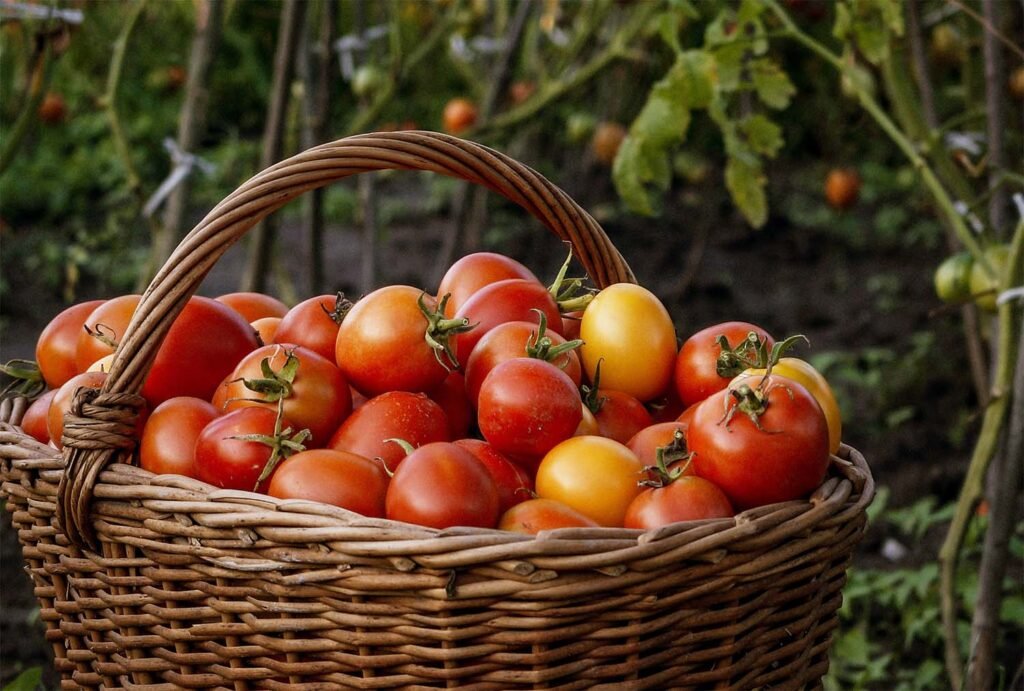
If any one plant defines summer gardening, it’s the tomato.
There is a reason tomatoes are one of the most popular essential summer crops. They’re versatile, tasty, and extraordinarily gratifying to grow.
What You Need to Know
- When to plant: After last frost, soil temperature of at least 60°F
- Sunlight: Full sun, at least 6–8 hours each day
- Watering: Water deeply and consistently — about 1–2 inches a week
- Days to harvest: 60–85 days, depending on variety
Best Varieties for Home Gardens
| Variety | Size | Best For |
|---|---|---|
| Cherry tomato | Small | Snacking, salads |
| Beefsteak | Large | Sandwiches, slicing |
| Roma | Medium | Sauces, canning |
| Heirloom | Varies | Variety, flavor |
Pro Tip
Pinch off the “suckers,” which are small shoots that develop in the angle between a main stem and its branches. This allows the plant to devote energy to growing fruit instead of unnecessary foliage.
Tomatoes also like to be staked or caged for support as they grow tall and heavy with fruit.
2. Zucchini — The Plant That Never Stops Producing
Zucchini appeals for one thing: it gives you more than you can eat.
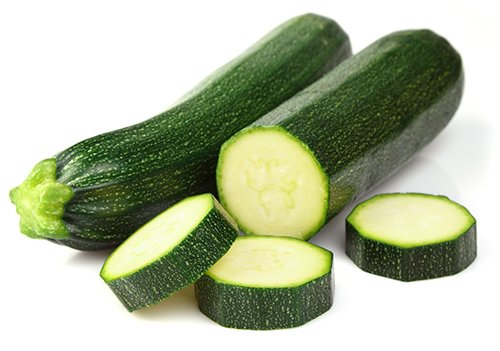
Seriously. Plant a zucchini and soon you’ll be dropping bags of them on your neighbors’ doorsteps.
Why Zucchini Should Be in Every Summer Garden
- It grows incredibly fast
- Once established, it is nearly impossible to kill
- It yields heavily from midsummer straight to fall
- Both the fruit and the flowers are edible
Growing Basics
- When to plant: Sow directly after last frost
- Spacing: At least 2–3 feet apart — these guys get BIG
- Sunlight: Full sun
- Days to harvest: Just 50–65 days
Harvest Tip
Harvest your zucchini when they’re around 6–8 inches long. If you let them grow too big, they get woody and tasteless. They can go from perfect to gigantic overnight, so check your plants every day during peak season.
3. Cucumbers — Cool, Crisp, and Simple to Grow
Cucumbers are one of those solid summer crops that just make sense.
They love heat. They grow fast. And there’s nothing better on a hot day than a crunchy, fresh cucumber straight from the garden.
Growing Guide
- When to plant: After last frost, when soil is warm
- Sunlight: Full sun
- Watering: Regular and consistent — cucumbers are largely water, so they require lots of it
- Days to harvest: 50–70 days
Slicing vs. Pickling Cucumbers
| Type | Best Use | Skin Texture |
|---|---|---|
| Slicing | Fresh eating, salads | Smooth, thin |
| Pickling | Jars, preserved pickles | Bumpy, thicker |
Space-Saving Tip
Train cucumbers up a trellis. It saves ground space, allows better air circulation, and makes harvesting a lot easier. It also helps keep the fruit straight and clean.
4. Peppers — Sweet or Hot, Your Choice
Peppers are, after all, heat lovers.
The hotter and sunnier the summer, the better your pepper plants will be. They’re one of the most gratifying essential summer crops because you can control your heat level — going from mild bell peppers to hot jalapeños or habaneros.
At a Glance
- When to plant: After last frost; sow seeds indoors 8–10 weeks in advance
- Sunlight: Full sun
- Watering: Moderate — don’t overwater
- Days to harvest: 70–90 days
Popular Pepper Varieties
| Variety | Heat Level | Common Use |
|---|---|---|
| Bell pepper | None | Salads, stir-fries |
| Banana pepper | Mild | Sandwiches, pickling |
| Jalapeño | Medium | Salsas, stuffing |
| Habanero | Very hot | Hot sauces |
| Cayenne | Hot | Drying, spice |
Peppers are also beautiful plants. The vivid red, yellow, and orange fruits are gorgeous in the garden and on the plate.
5. Green Beans — Sow Directly, Quick and Very Productive
Green beans are the ideal crop for novice gardeners.
They’re easy to grow, fast to yield, and provide you with a bountiful crop without much hassle. No wonder they’re one of the true essential summer crops.
Two Main Types
Bush beans develop in a bushy shape. No staking needed. Great for small spaces.
Pole beans are tall and grow up a trellis or stakes. They produce more beans over a longer period.
Growing Basics
- When to plant: After last frost, direct sow
- Sunlight: Full sun
- Spacing: 4–6 inches apart in rows
- Days to harvest: 50–60 days
Harvest Often
The more you harvest, the more beans the plant will produce. Don’t allow them to grow too fat and stringy. Harvest when the pods are firm and snap crisply.
6. Corn — Tall, Proud, and Worth Every Inch of Space
Of all the crops you can grow in summer, corn is one of the most rewarding.
Yes, it takes up space. And yes, it requires tons of sun and water. But the taste of sweet corn immediately after it is harvested from your garden — cooked in minutes — bears nothing like what you get at the supermarket.
What Corn Needs
- When to plant: Plant seeds directly after the last frost
- Sunlight: Full sun, all day
- Spacing: Plant in blocks (not single rows) for proper pollination
- Watering: A lot — corn gets thirsty
- Days to harvest: 70–90 days
Why Plant in Blocks?
Corn is wind-pollinated. By planting in a grid pattern (such as a 4×4 or 5×5 block), the pollen from the tassels of one plant falls onto the silks of neighboring plants. Single rows often do a poor job of filling cobs due to poor pollination.
Harvest Tip
Corn is ready when the silks turn brown and the kernels squirt milky juice when pierced. Once picked, eat it as quickly as you can — the sugars begin turning to starch within hours.
7. Watermelon — Summer’s Sweetest Reward
There’s nothing more summery than a cold slice of watermelon.
But most people think growing your own is tricky. Watermelon is one of the great beloved summer crops, and given enough room and sun, it will reward you with a spectacular harvest.
Growing Guide
- When to plant: After last frost, in very warm soil (above 70°F)
- Sunlight: Full sun — all day is best
- Space needed: Vines spread 6–10 feet
- Days to harvest: 70–90 days
How to Tell If It’s Ripe
The hardest part of picking a watermelon is knowing when to do so. Here are three signs:
- The tendril closest to the fruit dries up and turns brown
- The bottom of the melon (where it rests on the ground) turns from white to creamy yellow
- When you tap it, the melon sounds hollow
Compact Option
Don’t have much space? Opt for a “bush” or “mini” watermelon variety, such as Sugar Baby. They produce smaller melons on shorter vines and are great for raised beds or limited garden spaces.
8. Eggplant — The Overlooked Hero of the Summer Garden
Eggplant doesn’t always take center stage as it should.
But this beautiful, glossy vegetable is among the most productive of all essential summer crops in warm climates. It loves heat even more than tomatoes and peppers do.
At a Glance
- When to plant: Start indoors 8–10 weeks before last frost; transplant when soil warms
- Sunlight: Full sun
- Watering: Regular, deep watering
- Days to harvest: 65–80 days
Varieties Worth Growing
| Variety | Shape | Best Use |
|---|---|---|
| Classic globe | Large and round | Roasting, baking |
| Italian eggplant | Medium and elongated | Sautéing |
| Japanese eggplant | Long and slim | Grilling, stir-fries |
| White eggplant | Small and round | Milder flavor, grilling |
Pick eggplants when the skin is glossy and feels firm. A dull skin means it’s past its prime and might taste bitter.
9. Basil — The Herb That Makes Everything Better
Alright, so basil isn’t technically a vegetable. But no list of essential summer crops would be complete without it.
Basil is the classic companion plant for tomatoes (it’s said to improve their flavor and repel pests). It also happens to be one of the most useful herbs in the summer garden.
Growing Basics
- When to plant: After the last frost, in warm soil
- Sunlight: Full sun
- Watering: Moderate — soil should be moist but not soggy
- Days to first harvest: 25–30 days (you can pinch leaves early)
How to Keep Basil Growing All Summer Long
- Pinch off any flower buds the moment you see them. When basil flowers, it turns bitter and stops producing lush leaves.
- Harvest from the top down, snipping just above a pair of leaves. This encourages bushier growth.
- Plant basil next to tomatoes, peppers, and cucumbers — it’s one of the best companion plants in the summer garden.
The difference between fresh basil and the dried version is worlds apart. Once you grow your own, you’ll never go back.
10. Sweet Potatoes — The Summer Stalwart
Sweet potatoes are slightly different from the other crops on this list. They’re not a quick harvest. They spend the entire summer developing. But the payoff in the end — a gorgeous, nutritious mound of sweet potatoes — makes every bit of waiting worth it.
What to Expect
- When to plant: Plant “slips” (rooted cuttings) 2–3 weeks after last frost
- Sunlight: Full sun
- Space: Vines are spreaders — allow plenty of room
- Days to harvest: 90–120 days
Here’s Why Sweet Potatoes Are So Worth the Wait
- Incredibly healthy — full of vitamin A, fiber, and potassium
- Very low maintenance once established
- More drought-resistant than most summer crops
- The leaves are also edible and nutrient-dense
Harvest Tip
Dig sweet potatoes carefully with a fork ahead of the first fall frost. Cure them in a warm, dry location for 1–2 weeks before eating. That curing process converts starches to sugars and enormously deepens the flavor.
Your Summer Crop Planting Calendar
Here’s a straightforward guide for planning what to plant and when:
| Crop | Start Indoors | Direct Sow Outdoors | Days to Harvest |
|---|---|---|---|
| Tomatoes | 6–8 weeks before last frost | No | 60–85 days |
| Zucchini | Optional | After last frost | 50–65 days |
| Cucumbers | Optional | After last frost | 50–70 days |
| Peppers | 8–10 weeks before last frost | No | 70–90 days |
| Green Beans | No | After last frost | 50–60 days |
| Corn | No | After last frost | 70–90 days |
| Watermelon | 2–3 weeks before last frost | After last frost | 70–90 days |
| Eggplant | 8–10 weeks before last frost | No | 65–80 days |
| Basil | Optional | After last frost | 25–30 days |
| Sweet Potatoes | N/A (use slips) | 2–3 weeks after last frost | 90–120 days |
Quick Companion Planting Guide
Some plants are better off when they grow near each other. Here’s a handy cheat sheet:
| Crop | Good Neighbors | Bad Neighbors |
|---|---|---|
| Tomatoes | Basil, carrots, marigolds | Fennel, brassicas |
| Zucchini | Nasturtiums, beans | Potatoes |
| Cucumbers | Dill, beans, sunflowers | Sage, potatoes |
| Peppers | Basil, spinach, carrots | Fennel |
| Corn | Beans, squash | Tomatoes |
| Sweet Potatoes | Thyme, beets | Squash |
Companion planting can help ward off pests, boost growth, and make the most of your garden space — a real bonus if you’re dealing with a small plot.
If you’re growing in a small outdoor space, you may also love the creative ideas over at Small Balcony Garden — a brilliant resource for making the most of tiny areas with pots, vertical planters, and container-friendly crops.
FAQs About Summer Crops
Q1: What is the best summer crop for a total beginner?
Green beans and zucchini are the two most popular choices for beginners. Both are forgiving, fast-growing, and productive. You just plant seeds in the ground after the last frost and they take off.
Q2: Can I grow summer crops in containers or pots?
Absolutely. Tomatoes, peppers, cucumbers, and even dwarf varieties of watermelon do extremely well in large containers. Make sure the pot is well-drained and large enough — at least 5 gallons for most vegetables.
Q3: How frequently should I water my summer garden?
Most summer crops require 1–2 inches of water per week. During heat waves, you might have to water more often. Early morning watering is your best bet, so plants have moisture throughout the hottest part of the day.
Q4: What’s the most common mistake summer gardeners make?
Planting too early. Spring gets many gardeners excited, and warm-season crops are sometimes planted before the soil is sufficiently warmed. Cold soil slows growth and can kill seedlings. Always wait for the last frost to pass and check your soil temperature.
Q5: Do I need a large garden to grow these crops?
Not at all. Small raised beds or even large pots can accommodate crops like basil, peppers, cucumbers (on a trellis), and cherry tomatoes. Corn and watermelon require more space, but most of the other eight crops on this list are quite manageable in compact gardens.
Q6: What are some natural ways to keep pests out of my summer crops?
A few effective techniques: plant marigolds around the borders of your garden, use companion planting, apply neem oil spray for soft-bodied insects, and hand-pick larger pests like caterpillars. Healthy, well-watered plants are also more resistant to pest damage.
Q7: What is the best time to harvest summer crops?
Most crops are best harvested in the morning during cool temperatures when produce is at its freshest. For specific crops: pick tomatoes when fully colored, cucumbers before they yellow, and corn as soon as the silks turn brown.
Grow More, Stress Less This Summer
There are few greater simple pleasures in life than summer gardening.
There’s a special satisfaction that comes with snipping a ripe tomato off the vine, slicing up a cucumber you sowed from seed, or biting into an ear of corn that was in the ground just an hour earlier.
These 10 summer crops are absolutely essential, and the best place to start — or expand — your summer garden. They’re proven performers. They reward attention and care. And they will keep your table stocked with fresh, homegrown food for months.
You don’t need to grow all ten at once. Start with the two or three that excite you most. Learn what they need. Watch them grow. Then add more each season as you feel comfortable.
The best summer garden isn’t the biggest one. It’s the one you actually enjoy growing.
So get your seeds, prepare your soil, and start planting. Summer waits for no one — and neither should you.
For more expert advice on seasonal planting, companion planting, and organic gardening practices, the RHS (Royal Horticultural Society) has a comprehensive library of vegetable growing guides that gardeners around the world trust and rely on.