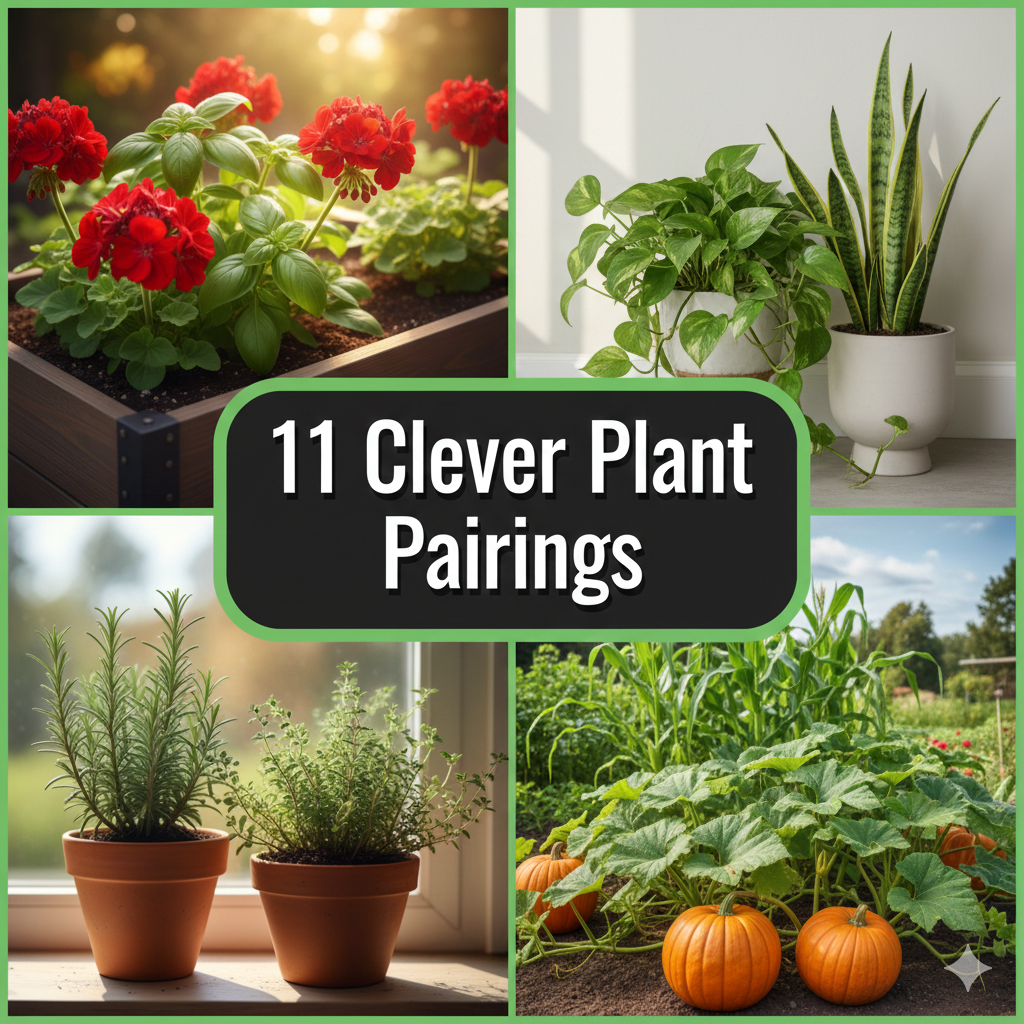
When Plants Become Best Friends
Some plants just click.
Put them next to one another and something almost magical happens. One repels pests. The other improves the soil. A third lures the pollinators that allow everything around it to fruit and blossom.
This isn’t garden folklore. It’s science — and it works.
It’s called companion planting. It’s the practice of growing specific plants in close proximity to each other because they somehow help one another. It’s been used for hundreds of years by farmers. Home gardeners are rediscovering it now.
And it shows in the results.
Pairing plants wisely can help you minimize your chemical pesticide use, increase your vegetable yield, improve soil health and make your garden even more gorgeous! Best of all, you don’t need years of gardening experience to begin.
This guide takes you through 11 of the best plant pairings — why they complement each other, how to use them and what to expect. Whether you have a backyard plot, raised beds or just a small balcony to work with, there’s a pairing here for you.
Let’s dig in.
Why Plant Pairings Actually Work
Before diving into the pairings, it helps to understand some of the “why” behind them.
Plants communicate with each other in ways we cannot always see. Some secrete chemicals through their roots to suppress weeds or feed neighboring plants. Some emit odors from their leaves that disorient or deter insects. Some stand tall and cast shade over the soil so moisture stays in for nearby shorter plants.
Here are the four primary ways that plant pairings help one another:
| Mechanism | How It Helps |
|---|---|
| Pest Repulsion | Strong-scented plants mask or repel harmful insects |
| Nutrient Sharing | Nitrogen-fixing plants enrich soil to feed hungry neighbors |
| Physical Support | Tall plants provide structure for climbing or sprawling ones |
| Pollinator Attraction | Flowering plants attract bees and butterflies to the entire garden |
Once you know these four mechanisms, every pairing on this list makes perfect sense.
A Note on Companion Planting
Not every plant gets along. Like some people, some plants are best kept apart.
Fennel, for instance, is notoriously antisocial — it emits chemicals that inhibit the growth of most other vegetables in its vicinity. Onions and beans don’t play well together, either.
This guide is dedicated to the positive relationships. The ones that actually work and can be easily replicated in any size garden.
11 Useful Plant Pairings for a Better Garden
1. Tomatoes + Basil — The Classic Pair
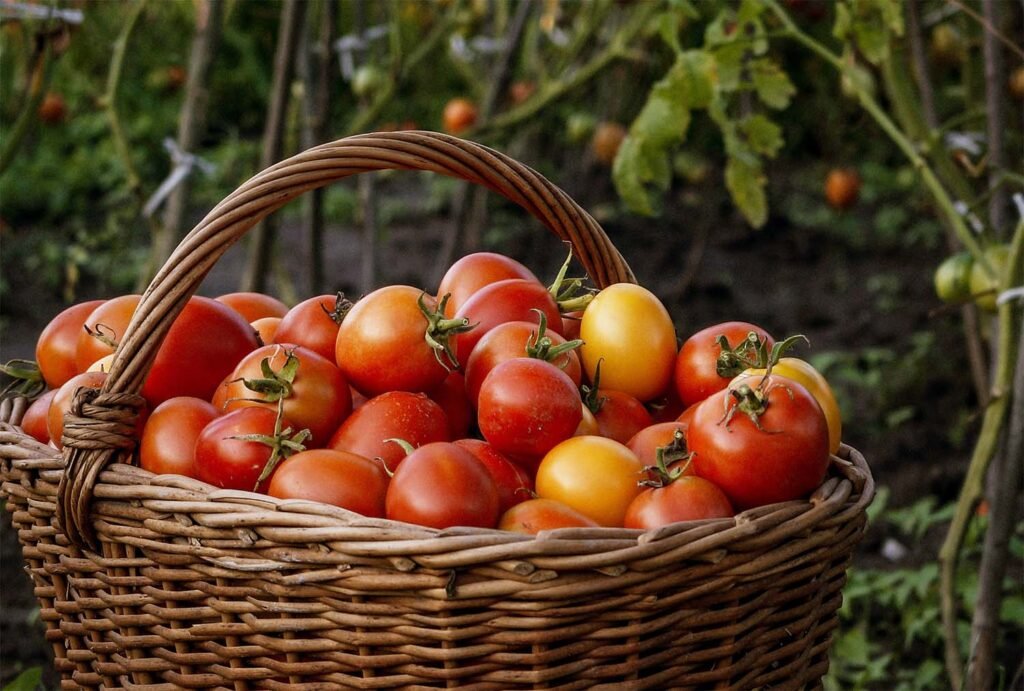
This is the most famous plant combination in all of garden design — and it earns its reputation every single season.
Basil does a few things for tomatoes. Its potent volatile oils bewilder and deter aphids, whiteflies and tomato hornworms. Some gardeners also swear by basil’s ability to enhance the flavor of tomatoes planted near it, although science is still catching up on that one.
Tomatoes, in turn, give basil a little light shade during the hottest parts of the day, helping to keep it from bolting (going to seed too soon).
How to plant them: Space basil 12–18 inches apart from tomato plants. Let it bloom to draw in pollinators. If you prefer, pinch back flowering stems to encourage more leaf growth.
Bonus: You can grow dinner and its seasoning in the same bed.
🌿 Top basil varieties for this pairing: Sweet basil, Genovese basil, or lemon basil
2. The Three Sisters — Corn, Beans and Squash
This legendary plant partnership has Native American agricultural tradition at its heart, and it is one of the most ingenious gardening systems ever created.
The three plants are team players:
- Corn grows tall and gives beans a natural pole to climb
- Beans capture nitrogen from the air into the soil, fertilizing the corn and squash
- Squash sprawls out over the ground, shading the soil, retaining moisture and smothering weeds
Each plant gives something. Each plant takes something. The system is completely self-supporting.
Planting guide:
| Plant | When to Plant | Spacing |
|---|---|---|
| Corn | First | 12 inches apart in blocks |
| Beans | 1 week after corn sprouts | At base of corn stalks |
| Squash | 2 weeks after corn | 18–24 inches from center |
This pairing works best in a larger garden bed — at least 4×4 feet. It’s not ideal for containers, but in the ground it’s nearly foolproof.
3. Roses + Garlic — Where Beauty Meets Brawn
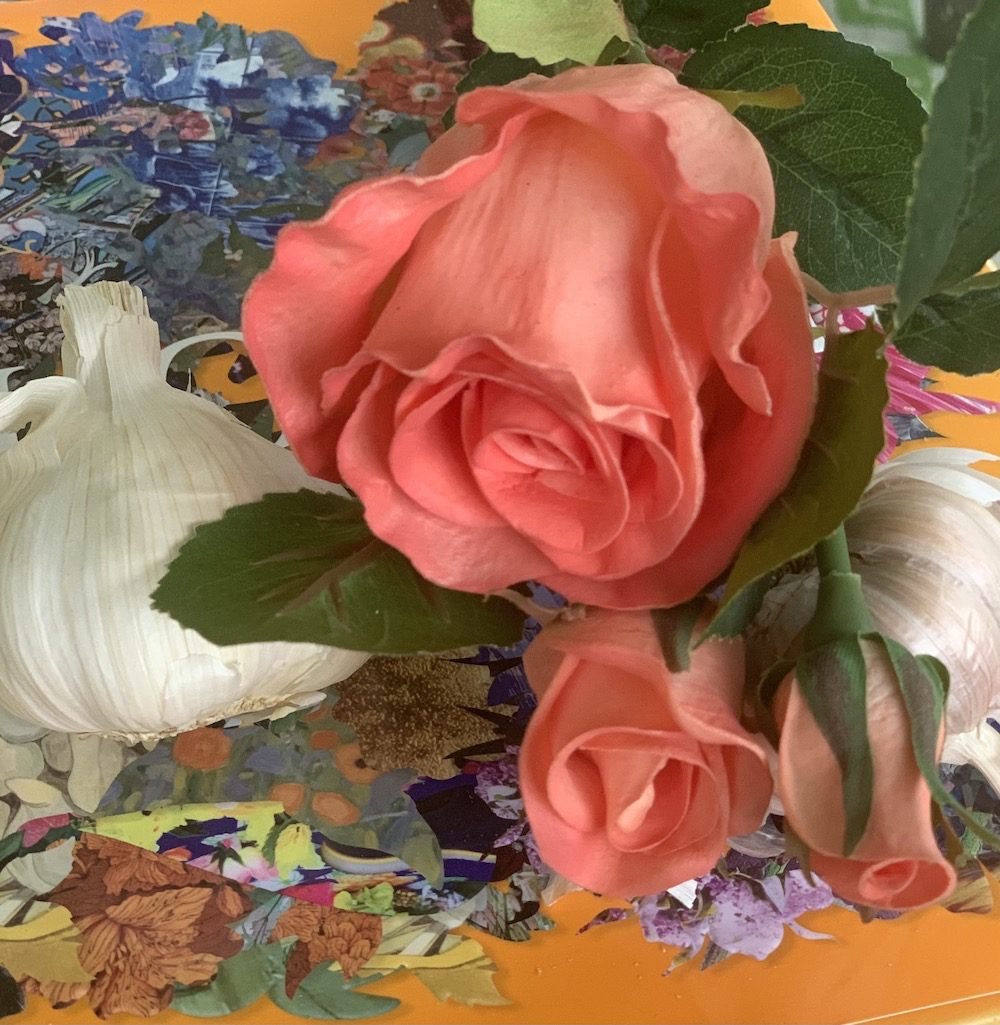
Roses are stunning. But they’re also magnets for aphids, black spot fungus and Japanese beetles.
Garlic is the solution.
Planted at the base of rose bushes, garlic acts as a natural pest repellent. Its sulfur compounds confuse aphids and deter beetles. Some rose growers also report fewer fungal problems when garlic is planted nearby, perhaps because of garlic’s natural antifungal properties.
How to use this pairing: Plant garlic cloves 3–4 inches deep, roughly 6 inches away from each rose bush’s base. You can also plant them in autumn for a spring presence — they’ll be working underground all winter.
Aesthetic bonus: Garlic sends up lovely white or purple flower heads in late spring. They look beautiful paired with rose blooms.
This is one of the smartest plant pairings for anyone who wants gorgeous roses without reaching for the pesticide bottle.
4. Carrots + Onions — Friends in the Soil
Here’s a pairing that works below the surface just as much as above it.
Carrot flies are a common pest that can devastate a carrot crop. Onion flies target onions. But here’s the clever part — the smell of each plant disguises the other from its specific pest.
The pungent odor of onions confuses carrot flies. And the smell of carrots throws off onion flies. Plant them together and each crop receives natural protection.
Planting tip: Grow carrots and onions in alternating rows. Or interplant them in the same bed, growing them together loosely.
Other alliums that work too: Leeks, chives and garlic all provide similar companion protection to carrots.
🥕 Pro tip: Include a nearby row of rosemary for added pest protection. The scent of rosemary further confuses carrot flies as well.
5. Cabbage + Dill — The Pest Patrol Pairing
Cabbage is one of those vegetables that attracts every bug imaginable. It’s a favorite of cabbage worms, cabbage loopers, aphids and flea beetles.
Dill fights back.
Dill draws predatory wasps, hoverflies and ladybugs — all of which feast on the pests that prey on cabbage. It serves as a living insectary, attracting the garden’s natural pest-control army.
Plant them like this: Scatter dill plants throughout your cabbage patch instead of planting in a single row. This distributes the protective effect more evenly.
Important note: Don’t plant dill near carrots. Dill and carrots belong to the same plant family, and can cross-pollinate — which weakens both crops. Keep this pairing limited to the brassica section of your garden.
Other brassicas helped by dill: Broccoli, kale, Brussels sprouts and cauliflower all receive similar protection.
6. Strawberries + Borage — The Ultimate Sweet Pair
If you grow strawberries, start growing borage now.
Borage is a gorgeous blue-flowered herb that does miraculous things for strawberries. It deters tomato hornworms and cabbage worms that would otherwise feast on strawberry plants. It also draws bees in large numbers — and more bees means more pollination, and bigger, juicier strawberries.
Some gardeners also swear that borage enhances the flavor of strawberries. The science isn’t fully settled, but the practical results are hard to argue with.
Borage facts:
| Feature | Detail |
|---|---|
| Flower color | Brilliant blue/purple |
| Pollinators attracted | Bees, butterflies |
| Edible? | Yes — flowers and leaves are edible |
| Self-seeding? | Yes — plant once and it returns |
| Height | 12–24 inches |
Plant borage freely around and between strawberry plants. It’s low-maintenance, self-seeds each year and adds a pop of color to the strawberry bed.
7. Lettuce + Tall Flowers or Sunflowers — Cool in the Shade
Lettuce has one great weakness: heat.
Lettuce bolts fast when summer temperatures rise. It turns bitter, goes to seed and becomes unfit for eating — sometimes in a matter of days.
Tall flowers, especially sunflowers, solve this problem beautifully.
Sunflowers grow rapidly and tall, providing dappled shade for adjacent lettuce plants during the hottest part of the afternoon. That keeps the soil cooler and delays bolting, prolonging your lettuce harvest by weeks.
Other tall plants that work for shade:
- Pole beans on a trellis
- Cosmos (adds gorgeous color too)
- Climbing peas
How to set it up: Plant sunflowers or tall flowers on the south or west side of your lettuce bed. That way their shadow falls over the lettuce during afternoon sun — the hottest part of the day.
This is one of those plant pairings that adds no extra cost. You’re just putting in something you’re likely already growing — in a smarter spot.
If you’re working with a compact outdoor space, Small Balcony Garden is a brilliant resource for making the most of every inch — well worth exploring before you start planning your pairings.
8. Peppers + Carrots — The Soil Space Movers
Peppers and carrots seem like an unlikely pair above ground. But underneath, they’re perfectly matched.
Pepper roots are shallow and spread within the upper feet of the soil. Carrots have long, strong taproots that extend deep. They occupy completely different layers of soil, so they never compete for nutrients or water.
This is known as root depth companionship — one of the most practical plant pairing techniques for small gardens where space is at a premium.
Why this pairing works for small gardens:
| Plant | Root Depth | Soil Layer Used |
|---|---|---|
| Pepper | 12–18 inches | Upper layer |
| Carrot | 18–30 inches | Lower layer |
You get two full crops from the same square footage of soil. No competition. No crowding. Just double the harvest from the same patch.
Bonus: Peppers can provide light shade for carrot tops during the hottest part of the afternoon, which helps maintain slightly cooler soil — an important condition for root development.
9. Marigolds + Almost Everything — The Garden’s Best Friend
If there is one plant that deserves a home in every garden and can be paired with just about anything, it’s the humble marigold.
Marigolds are the ultimate companion plant. They release a chemical called alpha-terthienyl through their roots, which suppresses harmful nematodes in the soil. Their flowers deter aphids, whiteflies and thrips. And they attract hoverflies and predatory insects that hunt garden pests.
What marigolds pair well with:
- Tomatoes — repel nematodes and whiteflies
- Peppers — deter aphids
- Cucumbers — confuse cucumber beetles
- Roses — general pest deterrent
- Brassicas — repel cabbage moths
- Beans — deter bean beetles
Best marigold varieties for companion planting:
| Variety | Best Known For |
|---|---|
| French marigold (Tagetes patula) | Strongest nematode suppression |
| African marigold (Tagetes erecta) | Best for whitefly deterrence |
| Signet marigold (Tagetes tenuifolia) | Edible flowers, great general repellent |
Plant marigolds as a border around vegetable beds, or scatter them throughout mixed planting areas. They’re inexpensive, simple to grow from seed and bloom throughout the entire season.
If there is one plant pairing tip to remember above all others, it’s this: when in doubt, plant marigolds.
According to the RHS (Royal Horticultural Society), companion planting with marigolds is one of the most well-supported strategies in organic pest management — making them a trusted choice for gardeners worldwide.
10. Cucumbers + Nasturtiums — The Trap Crop Trick
This pairing works differently from most others on this list. Rather than repelling pests, nasturtiums attract them on purpose.
Nasturtiums are a favorite target of aphids. Plant them near cucumbers and the aphids will go straight to the nasturtiums instead, leaving the cucumber plants untouched. This is known as a trap crop — a sacrificial plant that draws pests away from your main crop.
It sounds counterintuitive. But it works brilliantly.
Added benefits of nasturtiums:
- Fully edible — flowers and leaves add a peppery kick to salads
- Attract pollinators such as bees and butterflies
- Sprawl as ground cover, suppressing weeds
- Grow in poor soil with almost no care
Planting tip: Allow nasturtiums to sprawl freely at the base of cucumber trellises or raised beds. When the nasturtiums are heavily infested with aphids, pull them up and replace with fresh ones. Your cucumbers stay clean.
Nasturtiums also pair beautifully with squash, beans and cabbage — making them a versatile addition to any vegetable garden.
11. Lavender + Brassicas — Scented Protection
Lavender is primarily known for its soothing scent and gorgeous purple blooms. But in the vegetable garden, it’s a powerhouse protector — particularly for brassicas such as cabbage, broccoli and cauliflower.
The strong aroma of lavender confuses and repels cabbage moths, cabbage white butterflies and flea beetles. These are the same insects that, if left unchecked, can turn brassica leaves into Swiss cheese.
Lavender’s flowers also attract bees and other pollinators, improving fruit set across the entire garden.
Lavender as a companion plant:
| Pest Repelled | Pollinator Attracted |
|---|---|
| Cabbage moths | Honeybees |
| Cabbage white butterflies | Bumblebees |
| Flea beetles | Hoverflies |
| Aphids (some species) | Butterflies |
Planting advice: Lavender is a perennial — it comes back year after year. Plant it as a permanent border around brassica beds. It will provide protection season after season with nearly zero maintenance.
Make sure lavender gets full sun and well-drained soil. It doesn’t do well sitting in wet ground.
This is one of the most beautiful plant pairings on the list. A stripe of purple lavender growing alongside broccoli or cabbage looks just as good as it performs.
Plant Pairings to Avoid — The Bad Neighbors
Just as important as knowing what grows well together is knowing what doesn’t.
| Bad Pairing | Why to Avoid |
|---|---|
| Fennel + most vegetables | Fennel releases growth-inhibiting chemicals |
| Onions + beans | Onions stunt bean growth |
| Dill + carrots | Cross-pollination weakens both |
| Tomatoes + fennel | Fennel suppresses tomato growth |
| Cabbage + strawberries | Cabbage inhibits strawberry development |
| Garlic + peas | Garlic stunts pea growth |
Keep these apart and you’ll avoid the most common companion planting mistakes.
How to Get Started with Plant Pairings in Your Garden
You don’t need to replace your entire garden all at once.
Pick one or two pairings that work with what you’re already growing. Already growing tomatoes? Add basil. Already growing roses? Tuck in some garlic. Already growing cabbage? Scatter some dill.
Simple starting steps:
- Choose one vegetable or flower you already grow
- Find its companion from this list
- Plant the companion in the same bed or 12–24 inches away
- Note what happens over the season
- Add more pairings next year based on what you observe
It’s a gradual process. But the more plant pairings you use, the less time you spend managing pests and the more time you enjoy your garden.
At-a-Glance: All 11 Plant Pairings
| Pairing | Main Benefit |
|---|---|
| Tomatoes + Basil | Pest repulsion, possible flavor boost |
| Corn + Beans + Squash | Mutual support, nitrogen fixing, weed control |
| Roses + Garlic | Natural pest and fungal deterrent |
| Carrots + Onions | Mutual pest masking |
| Cabbage + Dill | Attracts beneficial predatory insects |
| Strawberries + Borage | Pollinator boost, pest deterrent |
| Lettuce + Sunflowers | Shade and heat protection |
| Peppers + Carrots | Root depth compatibility, space efficiency |
| Marigolds + Everything | Broad-spectrum pest protection |
| Cucumbers + Nasturtiums | Trap crop, aphid diversion |
| Lavender + Brassicas | Scent-based pest confusion, pollinator magnet |
FAQs About Smart Plant Pairings
What is companion planting and does it actually work?
Companion planting is the practice of growing certain plants next to each other because they help one another. Yes, it really works — though results vary depending on your soil, climate and garden setup. Many of the most recognizable combinations, such as tomatoes and basil or the Three Sisters, have been used successfully together for hundreds of years.
Can I use plant pairings in containers or raised beds?
Absolutely. Many plant combinations work well in containers and raised beds. Tomatoes and basil, lettuce and herbs, and peppers and carrots all do well in smaller growing spaces. Just make sure the container is large enough for both plants to develop properly.
How close do companion plants need to be?
Companion plants usually need to be within 12–24 inches of each other to be effective. With pest repellents such as marigolds and garlic, closer is generally better. With shade providers like sunflowers, plant them so their shadow falls over the sensitive plant during the hottest part of the day.
Do plant pairings replace the need for pesticides?
Plant pairings lower pest pressure considerably, though they rarely eliminate it completely. Think of companion planting as one layer of a healthy garden strategy — alongside good watering habits, healthy soil and crop rotation. Most gardeners who use smart plant pairings consistently find they require far fewer chemical interventions over time.
Can flowers be companion plants for vegetables?
Yes, and they are some of the best companions you can find. Marigolds, nasturtiums, borage, lavender and dill are all flowering plants that provide significant protection and pollinator attraction for vegetable gardens.
What is a trap crop?
A trap crop is a plant you grow deliberately to attract pests away from your main crop. Nasturtiums, for instance, lure aphids — diverting them from cucumbers, beans and squash. Once the trap crop is heavily infested, you remove it along with the pests and replace it with a fresh one.
Is the Three Sisters method suitable for small gardens?
The Three Sisters works best in a space of at least 4×4 feet. It’s not ideal for very small containers, but works well in raised beds, garden plots or any patch of ground with enough room for corn to reach full height.
Let Your Plants Work Together
A garden is more than a bunch of separate plants. It’s a community.
When you choose smart plant pairings, you stop fighting your garden and start working with it. You let nature do much of the heavy lifting — repelling pests, replenishing nutrients, drawing pollinators, shading the soil.
The result is a garden that’s healthier, more productive and easier to manage.
You don’t have to use all 11 pairings at once. Pick one. Try it this season. Watch what happens. Then add another next year.
In time, your garden will develop into a finely tuned ecosystem — where every plant has a neighbor that helps it thrive, and every corner of your space is working its hardest.
That’s the true magic of plant pairings. Not tricks. Not chemicals. Just plants, doing what they’ve always done — growing better together.