Stop Guessing. Start Growing.
Gardeners learn, mostly the hard way.
They plant tomatoes too early. A late frost kills everything. They plant seeds in the wrong month and then ask themselves why nothing grows. Sound familiar?
The fix isn’t complicated. It’s a planting calendar.
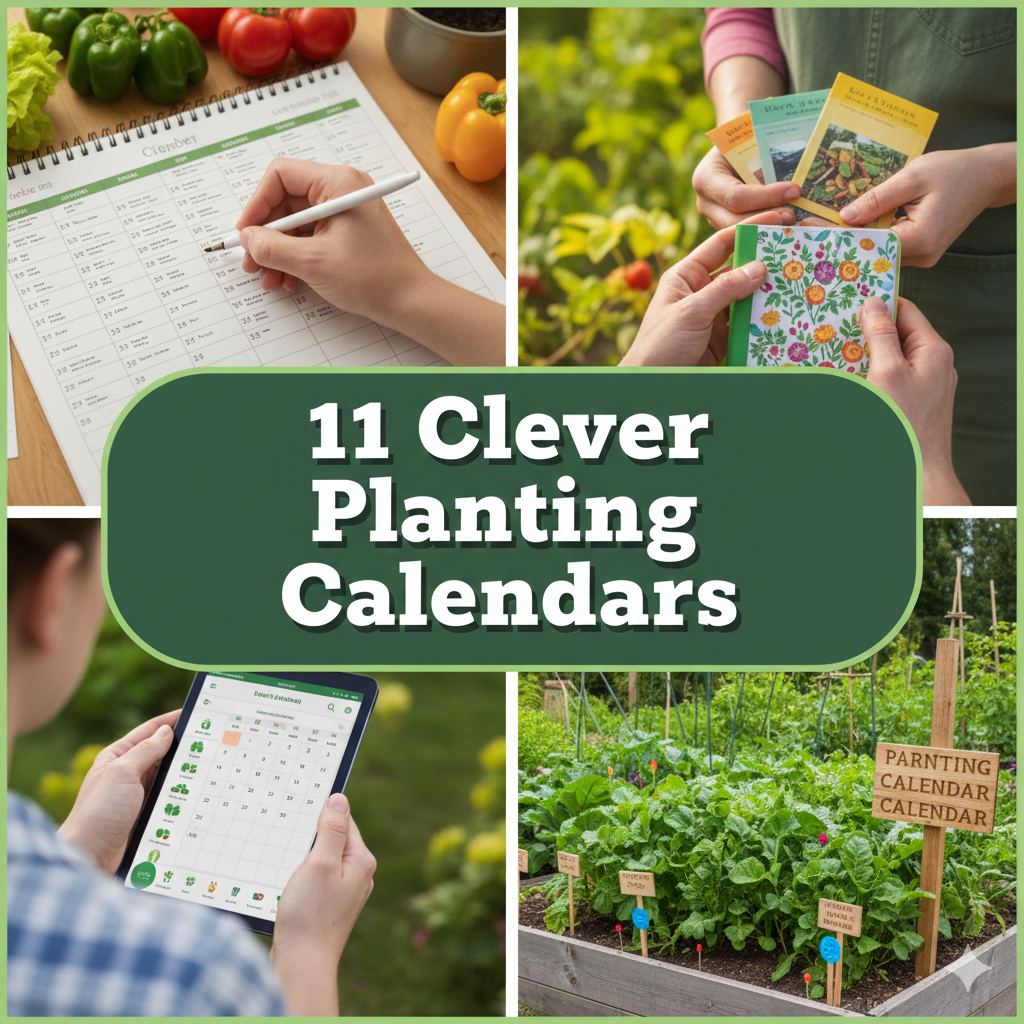
A planting calendar, wisely used, tells you precisely what to plant, when and just how to strategize your garden from the first frost to the last. It strips away the confusion and replaces it with a clear, confident plan.
No matter if you are growing vegetables on a windowsill or maintaining a full backyard garden, the right planting calendar makes all the difference.
Here are 11 savvy planting calendars — from older-school printouts to next-level digital tools — that can help any level gardener grow better and with much less anxiety.
1. The Frost Date Calendar — Your Most Important Starting Point for the Garden
First and foremost, you must know your frost dates.
A frost date calendar is the basis for all other planting calendars. It gives you two key dates: your last spring frost and your first fall frost. These two numbers are at the heart of every planting decision you make.
It’s All in the Timing — Frost Dates Matter More Than You Think
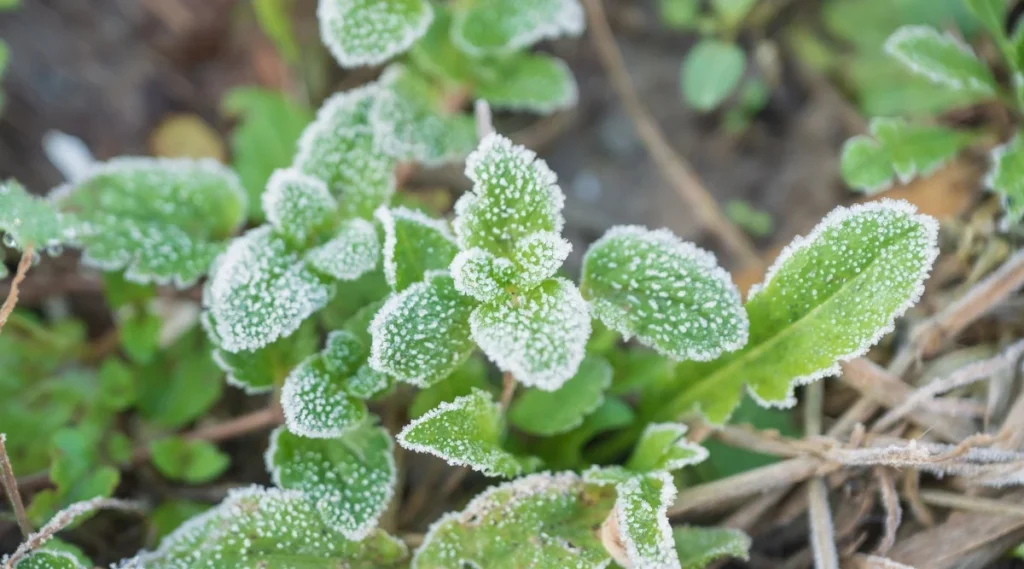
Plant too early in spring and an unexpected frost will wipe out your seedlings overnight. If you plant too late in the fall, your crops won’t mature before the cold comes.
Frost date calendars can help you avoid both of those mistakes.
How to Find Your Frost Dates
The Old Farmer’s Almanac Frost Date Calculator also has an online frost date tool. All you have to do is enter your zip code or city and it provides both dates immediately. It is one of the most trusted free resources for home gardeners.
Once you know your frost dates, everything else falls into place.
Quick Reference: What Does a Frost Date Tell You?
| Frost Date | What It Means for Planting |
|---|---|
| Last Spring Frost | Earliest safe date to transplant warm-season crops outside |
| First Fall Frost | Deadline for making sure tender crop harvest does not get damaged by cold |
| Frost-Free Window | The overall growing season you have to work with |
| Days to Maturity | Use this number to count backward from first fall frost |
2. The Seed Starting Calendar — Count Back from Your Last Frost
A seed starting calendar flips the way most people think about gardening.
Instead of asking “when should I start seeds?” it asks “when will I need plants ready?” Then it counts back from your last frost date to tell you which week to start each seed indoors.
The Simple Math Behind It
Most seed packets have a “days to maturity” number. They also advise you to start seeds “X weeks before last frost.” A seed starting calendar uses these two pieces of information to provide you with a personalized schedule.
For example:
- Tomatoes: Start indoors 6–8 weeks before last frost
- Peppers: Start indoors 8–10 weeks before last frost
- Broccoli: Start indoors 4–6 weeks before last frost
- Basil: Start indoors 4–6 weeks before last frost
Sample Seed Starting Calendar (Last Frost: April 15)
| Crop | Weeks Before Last Frost | Start Seeds Indoors By |
|---|---|---|
| Peppers | 10 weeks | February 4 |
| Tomatoes | 8 weeks | February 18 |
| Eggplant | 8 weeks | February 18 |
| Broccoli | 6 weeks | March 4 |
| Basil | 6 weeks | March 4 |
| Cucumbers | 3 weeks | March 25 |
Write out this kind of table and post it on your fridge. You’ll never plant at the wrong time again.
3. Zone-Based Planting Calendar — One Size Does NOT Fit All
A gardener in Arizona cannot use the same planting schedule as a gardener in Vermont. Their climates are completely different.
This is where zone-based planting calendars come into play.
What Are Hardiness Zones?
The USDA Plant Hardiness Zone Map divides North America into 13 zones based on average winter temperatures. The smaller the number, the colder the climate. Zone 3 is northern Canada. Zone 11 is southern Florida and Hawaii.
Your zone dictates which plants will grow in your area — and when your growing season runs.
How Zone-Based Calendars Work
A zone-based planting calendar provides a personalized planting schedule for your specific zone. So instead of broad advice, you get month-by-month guidance that actually matches your local climate.
| USDA Zone | Average Winter Low | Growing Season |
|---|---|---|
| Zone 3 | -40°F to -30°F | Short (90–100 days) |
| Zone 5 | -20°F to -10°F | Moderate (150–160 days) |
| Zone 7 | 0°F to 10°F | Long (180–200 days) |
| Zone 9 | 20°F to 30°F | Very long (240–260 days) |
| Zone 11 | Above 40°F | Year-round growing |
Find your zone first. Then seek out a planting calendar designed for that zone. It’s a game-changer.
4. The Succession Planting Calendar — Never Run Out of Vegetables Again
Most novice gardeners plant everything at the same time. Then they get 40 zucchinis in one week and nothing the next month.
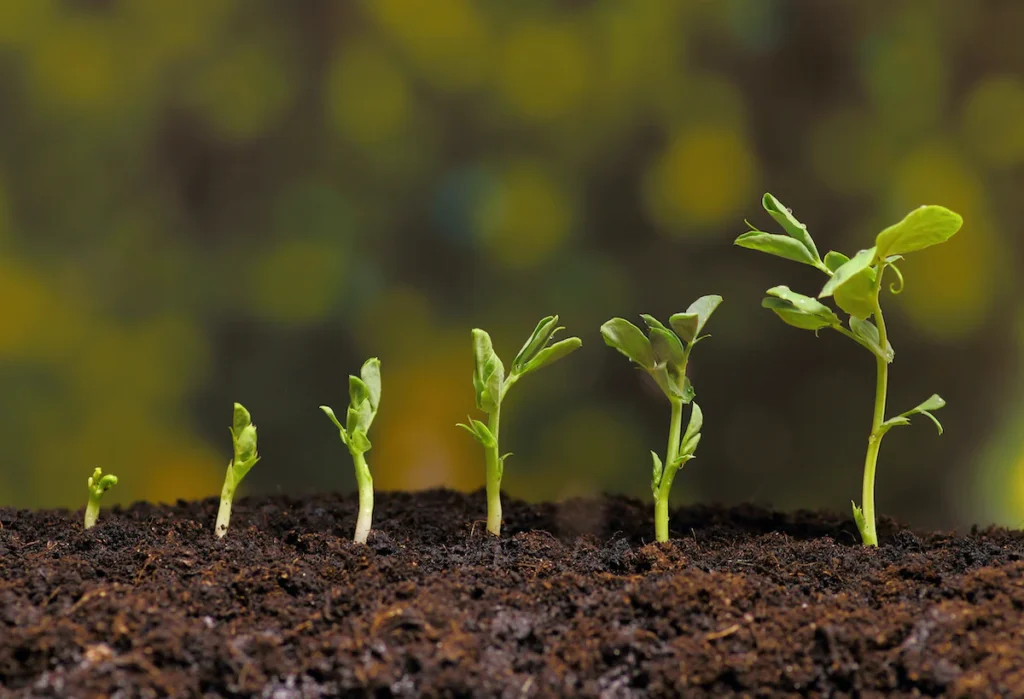
Succession planting solves this problem beautifully.
What Is Succession Planting?
You don’t sow all your seeds at once — you stagger plantings every 2–3 weeks. This spaces out your harvest, allowing you to enjoy a constant supply of fresh vegetables throughout the season rather than one massive glut.
What a Succession Calendar Looks Like
A succession planting calendar schedules the many rounds of the same crop throughout your growing season.
Example: Lettuce Succession Schedule
- Round 1: Plant March 15
- Round 2: Plant April 1
- Round 3: Plant April 15
- Round 4: Plant September 1 (fall crop)
This gives you fresh lettuce from May through November rather than one large harvest in June.
Best Crops for Succession Planting
- Lettuce and salad greens
- Radishes
- Bush beans
- Carrots
- Spinach
- Cilantro
A clever succession calendar keeps your kitchen well stocked and your garden productive from early spring through late fall.
5. The Moon Planting Calendar — Ancient Knowledge for Contemporary Gardening
This one might surprise you.
Moon planting calendars — also called lunar gardening calendars — are based on the theory that the moon’s gravitational force influences moisture in the ground, much like it impacts ocean tides.
How Lunar Gardening Works
Lunar gardeners split planting tasks into four moon phases:
| Moon Phase | Best Gardening Activity |
|---|---|
| New Moon | Plant leafy greens and herbs |
| Waxing Moon | Plant fruiting crops (tomatoes, peppers, squash) |
| Full Moon | Plant root vegetables (carrots, beets, potatoes) |
| Waning Moon | Weed, prune, harvest and compost |
Is There Any Science Behind It?
Honestly? The research is mixed. Some studies indicate that lunar cycles do influence plant germination rates. Others find no significant difference.
But here is what can’t be argued: gardeners who follow lunar calendars tend to be more engaged, more consistent and more intentional about their gardening habits. Even if the moon itself never directly helps your plants grow, the structure and rhythm of a lunar calendar keeps you organized and on schedule.
Many seasoned gardeners swear by it. It is at least worth trying for one full season.
6. The Kitchen Garden Calendar — Grow What You Really Eat
A kitchen garden calendar is built around your dinner table, not just your growing zone.
Instead of planting whatever crops happen to come to mind, this type of calendar begins with one simple question: What do you and your family actually eat?
Organize Your Calendar Around Your Plate
Consider the vegetables and herbs you purchase at the grocery store each week. Now plan to grow those instead.
Love pasta? Grow tomatoes, basil and garlic. Love stir-fry? Plant peppers, snap peas and green onions. Love salads? Grow lettuce, cucumbers, radishes and spinach.
Sample Kitchen Garden Planting Schedule
| Month | What to Plant | Ready to Harvest |
|---|---|---|
| March | Lettuce, spinach, radishes | May |
| April | Tomatoes and peppers (transplants) | July–August |
| May | Cucumbers, zucchini, beans | July |
| June | Second round of greens | August |
| August | Fall kale, broccoli, carrots | October–November |
A kitchen garden calendar takes the guesswork out and ensures that your garden yields exactly what your household will actually use. No more growing what you don’t eat. No more waste.
Even if you only have a small outdoor garden space, there’s no reason you can’t follow a kitchen garden calendar with great success. Sites like Small Balcony Garden are full of hands-on advice about growing herbs, salad greens and vegetables in small spaces — ideal for apartment dwellers and small-space gardeners.
7. Companion Planting Calendar — Pair Plants Like a Pro
Some plants are best friends. Others are enemies.
A companion planting calendar organizes your garden so compatible plants grow side by side — and incompatible ones stay far apart.
Why Companion Planting Works
Specific plant combinations offer real advantages:
- Pest control: Basil deters aphids and whiteflies around tomatoes
- Pollination: Flowers near vegetables attract more bees
- Soil health: Legumes (beans, peas) fix nitrogen that feeds neighboring crops
- Shade and shelter: Tall corn protects low-growing squash
The Three Sisters — The Most Famous Companion Planting System
Centuries ago, Indigenous farmers throughout North America devised this brilliant three-crop combination:
- Corn — grows tall and creates a natural trellis
- Beans — climb the corn and fix nitrogen in the soil
- Squash — spreads along the ground, shading out weeds and retaining moisture
A companion planting calendar tells you what plants go where and when — so all these benefits work together at the same time.
Common Companion Planting Pairs
| Plant | Good Neighbors | Bad Neighbors |
|---|---|---|
| Tomatoes | Basil, marigolds, carrots | Fennel, cabbage |
| Carrots | Rosemary, onions, lettuce | Dill, parsnips |
| Peppers | Basil, spinach, tomatoes | Fennel |
| Cucumbers | Beans, dill, sunflowers | Potatoes, sage |
| Lettuce | Strawberries, radishes | Celery |
8. The Perennial Planting Calendar — Plant Once, Harvest for Years
Most planting calendars cover annuals — plants that you grow from seed every single year. But perennials are different. You plant them once, and they come back year after year on their own.
Why Perennials Deserve Their Own Calendar
Perennials must be planted at particular times of year for their roots to establish themselves before winter. Get the timing wrong and they won’t make it through their first cold season. A perennial planting calendar ensures that you never miss the right planting window.
Best Perennial Edibles to Add to Your Calendar
- Asparagus — Takes 2–3 years to produce, but then yields for 20+ years
- Rhubarb — Tough, dependable and comes back bigger and better every spring
- Chives — Low maintenance, great flavor and almost indestructible
- Strawberries — Spread naturally and fruit more heavily each year
- Herbs (thyme, oregano, mint, sage) — Plant once, harvest forever
Perennial Planting Window Guide
| Perennial | Best Planting Time | Notes |
|---|---|---|
| Asparagus | Early spring | Plant crowns, not seeds |
| Strawberries | Early spring or late summer | Avoid mid-summer heat |
| Rhubarb | Early spring | Needs cold winters to flourish |
| Chives | Spring or fall | Direct sow or transplant |
| Mint | Spring | Plant in containers to control spreading |
9. The Container Garden Planting Calendar — Balcony Gardeners, This One’s for You
You don’t need a backyard to follow a planting calendar. Container gardening is a rapidly growing trend in urban gardening — and it deserves its own dedicated schedule.
What Makes Container Gardening Different
Containers dry out more quickly than garden beds. They have limited soil volume. And in summer, they heat up quickly. That means your planting timing needs minor but important adjustments.
Smart Container Planting Schedule
| Season | What to Grow in Containers | Notes |
|---|---|---|
| Early Spring | Lettuce, spinach, pansies | Can withstand light frost |
| Late Spring | Herbs, tomatoes (compact), peppers | Wait until nights stay above 50°F |
| Summer | Beans, cucumbers (trellis), basil | Water daily in heat |
| Early Fall | Kale, chard, arugula | Extend season with frost cloth |
| Winter | Indoors: herbs on a sunny windowsill | Use a grow light if needed |
Best Vegetables for Container Calendars
- Cherry tomatoes (not full-size)
- Dwarf peppers
- Lettuce and salad greens
- Herbs: basil, parsley, mint, chives
- Radishes and green onions
- Patio cucumbers
A container garden planting calendar works whether you have a fire escape, a small patio or a sunny kitchen windowsill.
10. The Crop Rotation Calendar — Keep Your Soil Happy Year After Year
One of the most common mistakes home gardeners make is planting the same crop in the same spot year after year.
It depletes specific nutrients from the soil. It also allows pest populations and soil-borne diseases to build up exactly where your plants are most vulnerable.
A crop rotation calendar organizes different plant families into separate garden beds each year — disrupting pest cycles and keeping soil nutrition balanced.
The 4-Year Rotation System
Most seasoned gardeners follow a simple four-year rotation:
| Year | Bed A | Bed B | Bed C | Bed D |
|---|---|---|---|---|
| Year 1 | Nightshades (tomatoes, peppers) | Brassicas (broccoli, cabbage) | Legumes (beans, peas) | Roots (carrots, beets) |
| Year 2 | Brassicas | Legumes | Roots | Nightshades |
| Year 3 | Legumes | Roots | Nightshades | Brassicas |
| Year 4 | Roots | Nightshades | Brassicas | Legumes |
By Year 5, every bed has cycled back to the original crop family — but the soil has had four full years to recover and rebalance itself.
Advantages of Following a Rotation Calendar
- Fewer pest problems without chemical sprays
- Better soil fertility naturally
- Healthier, more productive plants
- Less disease pressure year over year
11. The Year-Round Planting Calendar — 12 Months of Growing
A lot of people associate gardening with spring and summer. But with the right planting calendar, you can grow something almost every single month of the year.
How a Year-Round Calendar Works
A year-round planting calendar lays out gardening tasks for all 12 months — not just the warm ones. It includes cool-season crops, indoor growing, seed starting, soil prep and even winter planning tasks.
Month-by-Month Year-Round Planting Overview
| Month | Key Gardening Tasks |
|---|---|
| January | Plan where crops will go, order seeds |
| February | Start peppers and tomatoes indoors |
| March | Direct sow cold-hardy crops outdoors, start hardening off seedlings |
| April | Transplant cool-season vegetables outdoors |
| May | Plant warm-season crops after last frost, mulch beds |
| June | Succession sow beans and greens, monitor pests |
| July | Harvest, water deeply, sow fall broccoli and kale |
| August | Plant fall crops, divide perennials, save seeds |
| September | Harvest main crops, plant garlic, add compost |
| October | Clean up old plantings, add compost |
| November | Plant spring bulbs, cover tender perennials |
| December | Rest, review what worked, plan next year’s calendar |
This kind of calendar turns gardening into a real year-round lifestyle — not just a summer pastime.
How to Choose the Right Planting Calendar for You
Not every gardener will need all 11 types of calendars. Here’s a quick guide to help you decide which one to start with.
| Your Situation | Best Calendar to Start With |
|---|---|
| Complete beginner | Frost Date Calendar + Seed Starting Calendar |
| Small space / balcony | Container Garden Calendar |
| Want fresh food all season | Succession Planting Calendar |
| Concerned about soil health | Crop Rotation Calendar |
| Want to save money on groceries | Kitchen Garden Calendar |
| Growing trees, shrubs or herbs | Perennial Planting Calendar |
| Want to try something different | Moon Planting Calendar |
Start with one. Get comfortable. Then add other systems as your garden expands.
FAQs About Smart Planting Calendars
Q: What is a planting calendar and why do I need one?
A planting calendar is a schedule based on your location and climate that tells you when to plant, transplant and harvest certain crops. Without one, most gardeners find themselves planting at the wrong time — which results in failed harvests, wasted seeds and unnecessary frustration.
Q: Where can I find a planting calendar for my area?
Know your USDA Hardiness Zone and your local frost dates. Most planting calendars online will tailor themselves as soon as you enter your zip code or city. Both the Old Farmer’s Almanac and the National Gardening Association have free, location-specific planting guides.
Q: Do I need a planting calendar if I only have a small balcony or patio?
Absolutely. A container garden planting calendar is made for small-space gardeners. By following a container-specific schedule, you can grow herbs, salad greens, cherry tomatoes and other crops on a balcony.
Q: What is the difference between a seed starting calendar and a planting calendar?
A planting calendar spans your whole garden season — what to plant and when. A seed starting calendar focuses specifically on when to start seeds indoors before transplanting them outside. Many good planting systems include both.
Q: When should I start planning with a planting calendar?
Ideally, you would start planning in January or February — even if your growing season doesn’t begin until April or May. Some seeds, like peppers and onions, require starting 10–12 weeks before your last frost date. The sooner you plan, the better your results.
Q: Do planting calendars help beginners?
Yes — beginners benefit the most from planting calendars. They take all the guesswork out and provide a clear action plan. Begin with a simple frost date calendar and a basic seed starting schedule. You can add more complexity as you gain experience.
Q: Does a moon planting calendar really work?
Results will differ from one gardener to the next. The scientific evidence is mixed, but many experienced gardeners find that following a lunar calendar keeps them more consistent and intentional with their gardening habits. It’s worth trying for at least one full season.
Growing Smarter Starts with a Plan
Gardening is deeply rewarding. But it can also be deeply frustrating when you don’t have a plan.
A smart planting calendar doesn’t merely tell you when to plant. It gives you confidence. It saves you the cost of seeds and seedlings that would otherwise fail. It allows you to grow more food from the same amount of space. And it makes the entire experience more rewarding — because you understand exactly what you’re doing and why.
You don’t have to follow all 11 systems at the same time. Start with your frost dates. Build a seed starting schedule around them. Then add one more layer each season.
Soon you’ll have a personalized planting system perfectly tuned to your climate, your available space and your lifestyle.
That’s when gardening stops feeling like guesswork — and starts feeling like magic.