Gardening has this funny way of humbling you. One year your tomatoes look like they belong in a magazine, the next they’re battling some mystery wilt that leaves you scratching your head at dawn. Over the years I’ve come to realize that the real secret isn’t in fancy fertilizers or perfect soil mixes—though those help—but in who you plant next to whom. Companion planting isn’t some new-age trend; it’s an old idea that’s been around since people first poked seeds into the ground and noticed that certain neighbors just got along better. Think of the Native American Three Sisters method, where corn, beans, and squash formed a perfect team long before anyone wrote it down in books. Or how gardeners in hot, dusty parts of the world have always tucked fragrant herbs among their veggies to keep bugs at bay without reaching for sprays.
The beauty of these smart pairings is how they work on multiple levels. One plant might chase away pests with its strong scent, another fixes nitrogen in the soil so its neighbor doesn’t starve, and a third provides shade or acts as a living mulch to keep the ground cool and weed-free. You end up with healthier plants, bigger harvests, and a garden that feels more alive, buzzing with beneficial insects instead of silent rows of monoculture that scream “free buffet” to every aphid in the neighborhood. In places like Karachi, where the heat can be relentless and the soil sometimes fights back, these combinations are lifesavers. They reduce water stress, cut down on disease, and let you squeeze more out of limited space—whether that’s a few pots on a rooftop or a proper plot in the backyard.
What I love most is how forgiving it is. You don’t need a degree in botany or perfect timing. Start small, observe what happens, and tweak as you go. I’ve seen neighbors turn mediocre harvests into overflowing baskets just by adding a few marigolds or scattering basil between tomatoes. And the best part? These pairings often taste better together too—literally. That fresh basil snipped right next to your tomatoes for a simple salad? Pure garden magic. Over the next pages I’ll walk you through eleven pairings that have consistently delivered results for me and countless other gardeners. Each one comes with the why, the how, and the little tricks that make the difference between “meh” and “wow.” Let’s dig in.
Tomatoes and Basil
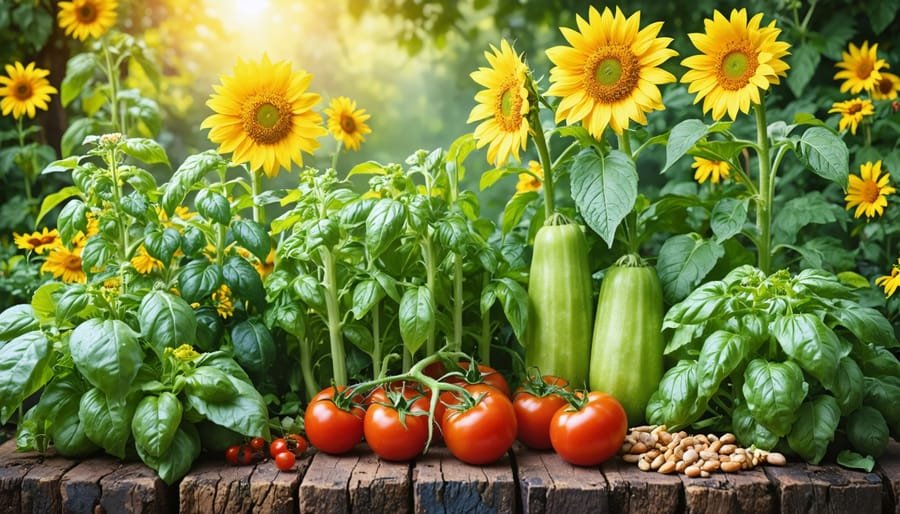
If there’s one pairing that almost every gardener swears by, it’s tomatoes with basil. The two just belong together, not just in Caprese salad but right there in the soil. Basil’s strong aromatic oils seem to confuse and repel some of the worst tomato pests—think hornworms, whiteflies, and even thrips. Plant them close enough and the basil acts like a living air freshener that masks the tomato scent, making it harder for bugs to zero in. Studies and generations of trial-and-error back this up; basil interplanted with tomatoes often leads to fewer pest problems and, many claim, tastier fruit, though the flavor boost might be partly wishful thinking from all the fresh pesto you end up making.
In practice, I like to plant my indeterminate tomatoes first—those vining types that keep producing—and then tuck basil seedlings around their bases once the soil warms up. Space the tomatoes about 24 to 36 inches apart depending on variety, and put a basil plant every 12 inches or so in between. Both love full sun and consistent moisture, so they share the same watering schedule, which makes life easier. In hotter climates like ours, mulch heavily around the base to keep roots cool; the basil’s dense foliage helps with that too by shading the soil. One year I tried this in a raised bed that baked in the afternoon sun, and the combination held up beautifully while my solo tomato plants nearby struggled with blossom end rot.
Don’t overcrowd though—basil can get leggy if it competes too hard for light, so pinch the tops regularly to keep it bushy and encourage more leaves for harvesting. The beauty is you can keep snipping basil all season without hurting the tomatoes, and toward the end of summer when the tomatoes are pumping out fruit, the basil is still going strong. I’ve found that Genovese basil works best, but Thai or lemon varieties add fun twists in flavor and pest-repelling power. If you’re short on space, even a single pot with one tomato and a couple of basil plants on a sunny balcony will surprise you with how productive it gets.
One small warning: avoid planting basil near cucumbers or rue, as they don’t play nice, but that’s easy to remember. Add a few marigolds into the mix and you’ve got a triple threat against nematodes too. The first time I harvested a bowl of cherry tomatoes still warm from the sun and handfuls of basil for dinner, I realized this wasn’t just smart gardening—it was the kind of simple pleasure that makes all the weeding worth it. Try it once and you’ll never go back to growing them separately.
:max_bytes(150000):strip_icc()/Spruce_Companion_Plants_For_Tomatoes-b09296ce123143cbba06924494fffa98-8757a09df8a1461ea24f0e5e8013a58f.png)
Carrots and Onions
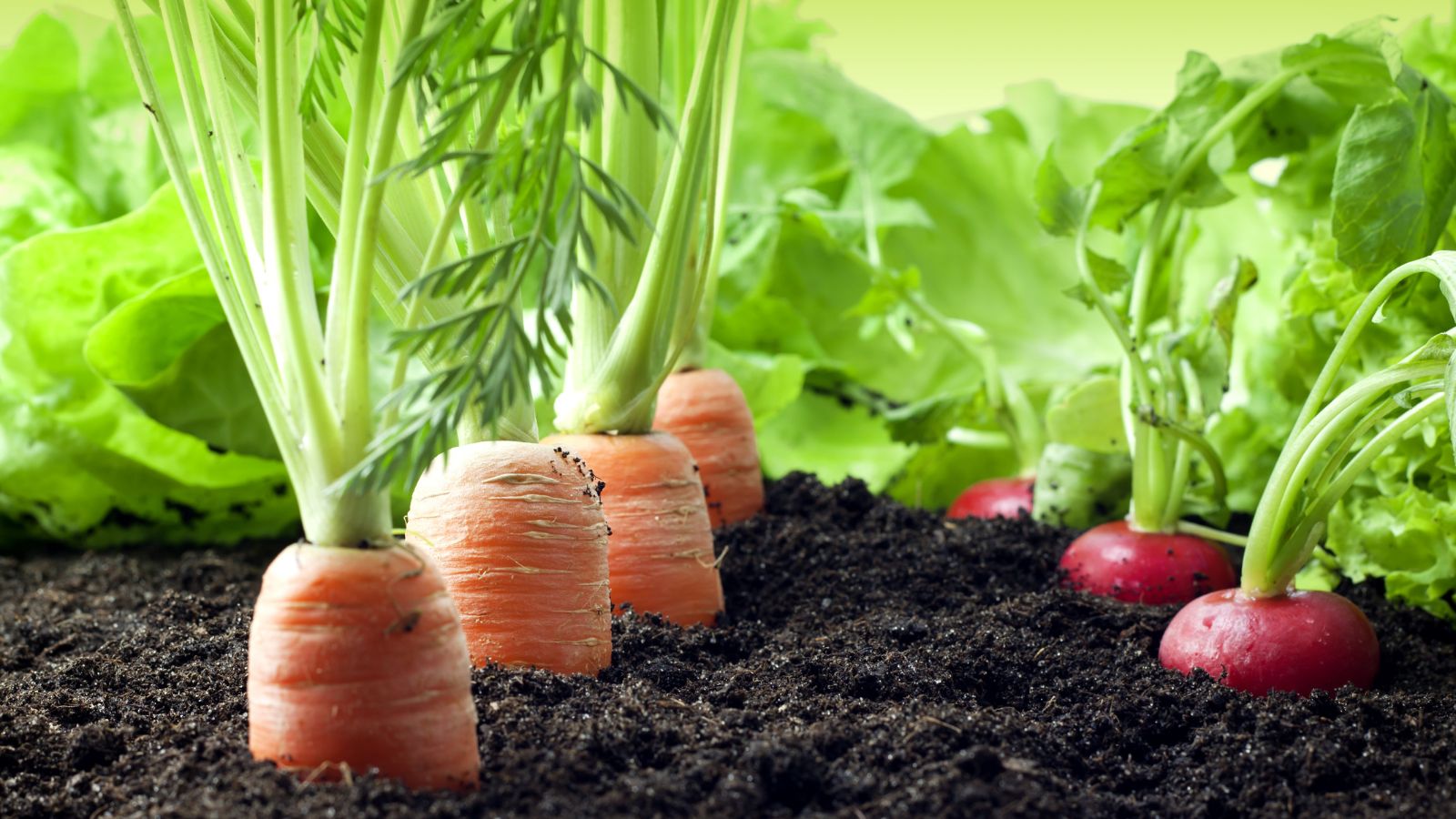
Carrots and onions are like the quiet achievers of the vegetable world—unassuming but incredibly effective when teamed up. The main magic here is pest confusion. Carrot flies are drawn to the scent of carrots, but the pungent aroma of onions masks it beautifully, sending the flies elsewhere. In return, carrots help deter onion flies and some thrips that bother the allium family. It’s a mutual defense pact that keeps both crops cleaner and healthier without any chemical intervention.
Planting is straightforward. Sow carrot seeds in rows or blocks once the soil is workable in cooler months, and intersperse onion sets or seedlings every few inches. Carrots need deep, loose soil to develop straight roots, so prepare the bed well and avoid fresh manure that can cause forking. Onions are less fussy but appreciate the same well-drained conditions. In our climate, timing matters—get carrots in during the milder winter or early spring so they mature before the real heat hits, and onions can go in around the same time or slightly earlier.
I’ve experimented with this in narrow beds and found that alternating rows every 6 to 8 inches works wonders. The carrot tops provide a bit of light shade for young onion bulbs, and the onions’ upright growth doesn’t crowd the feathery carrot foliage. Harvesting is staggered too: pull young green onions early while thinning carrots, then let the main crops bulk up. One season I had a bed where carrot fly damage was almost zero compared to a control patch nearby—proof that the old wisdom holds up.
Keep the area weed-free in the beginning because both are slow starters, and water consistently but not excessively to prevent splitting in carrots or rot in onions. If space is tight, this pairing is gold for succession planting; once you harvest the onions, the carrots are just getting going and can fill the gap nicely. Add a few radishes for even quicker harvests in the same bed. The payoff comes when you pull sweet, straight carrots and crisp onions that store well into the cooler months. It’s the kind of reliable combo that builds confidence for beginners and keeps veterans coming back year after year.
Corn, Beans, and Squash
Sometimes the smartest pairing isn’t strictly two plants but a trio that functions as a complete ecosystem—the legendary Three Sisters. Corn provides the natural trellis for pole beans to climb, beans fix nitrogen in the soil to feed the heavy-feeding corn, and squash spreads out as living mulch, shading the ground to retain moisture and suppress weeds while its prickly leaves deter raccoons and other critters from raiding the corn.
This method originated with indigenous communities in the Americas and has been refined over centuries because it just works. In a hot climate, it conserves water beautifully; the squash canopy keeps the soil cooler and reduces evaporation. To plant, create small mounds about 3 to 4 feet apart. In each mound, sow 3 or 4 corn seeds first. Once the corn is up and about 6 inches tall, add pole bean seeds around the base. A week or two later, plant squash or pumpkin seeds on the outer edge of the mound so they can sprawl outward without smothering the others.
Spacing is key—give the mounds room to breathe so the squash doesn’t take over too early. In Karachi’s conditions, choose heat-tolerant corn varieties and vigorous pole beans like yard-long types that thrive in warmth. The squash can be local gourds or zucchini if you prefer quicker harvests. I’ve tried this in larger beds and watched in amazement as the beans twined up the corn stalks without any extra support, while the squash kept the ground moist even during dry spells.
Maintenance is minimal once established. Water at the base to avoid wetting foliage too much, and the nitrogen from beans means you can skip heavy feeding. Harvest beans continuously to keep them producing, pick corn when the silks brown, and let squash mature on the vine. The beauty is the balanced diet it provides—carbs from corn, protein from beans, vitamins from squash—all from one patch. If you’re limited on space, even a few mounds in containers or a corner of the yard can yield surprisingly well. This isn’t just planting; it’s creating a miniature food forest that teaches you how nature collaborates when we let it.

Cucumbers and Nasturtiums
Cucumbers can be magnets for aphids, cucumber beetles, and squash bugs, but nasturtiums act as a sacrificial trap crop and repellent all in one. The bright orange and yellow flowers draw aphids away from the cukes, while their pungent leaves and stems confuse other pests. Nasturtiums also attract beneficial insects like hoverflies and ladybugs that feast on the bad guys. Plus, they’re edible—flowers and leaves add a peppery kick to salads, making the pairing as useful in the kitchen as in the garden.
Train cucumbers up a trellis or fence to save space, and plant nasturtiums at the base or in a ring around the bed. Both enjoy full sun and regular water, though cucumbers are thirstier. In warm weather, direct-sow nasturtium seeds after the last frost risk passes; they germinate quickly and grow fast. I like to mix in a few different colors for visual interest and to spread the trap effect. One year in a particularly buggy season, my nasturtium-bordered cucumber bed stayed almost completely clean while neighbors’ plants were overrun.
Keep an eye on the nasturtiums—they can sprawl aggressively, so trim them back if they start shading the cucumbers too much. The vines also make great ground cover between other plants. Harvest cucumbers young and often to encourage more production, and pick nasturtium flowers daily for fresh eating or to dry for later. This combo shines in vertical gardening setups common in smaller urban spaces. If aphids do show up on the nasturtiums, just hose them off or let the beneficials handle it—no big deal. The result is crisp cucumbers all summer and a bed that looks cheerful even when production slows.
Cabbage and Marigolds
Cabbage family plants—broccoli, cauliflower, kale, you name it—suffer from cabbage moths, loopers, and root-knot nematodes. French marigolds are the heroes here, releasing compounds from their roots that suppress nematodes in the soil. The flowers also attract predatory wasps and other beneficial insects while their scent deters some flying pests. It’s a double whammy of above- and below-ground protection.
Plant marigolds in a border around the cabbage bed or intersperse them every few plants. Space cabbages according to variety—closer for smaller types like bok choy, wider for big heads. Both like cool weather but can handle some heat if shaded during peak sun. In our region, start cabbage in cooler months and use marigolds as a living fence. I plant dwarf marigolds so they don’t compete for light, and the orange blooms make the bed pop with color.
Water consistently to prevent splitting in cabbage heads, and the marigolds’ dense growth helps retain soil moisture. Harvest outer cabbage leaves for continuous picking on leafy varieties, and enjoy the marigolds right through the season—dry the petals for tea or dye. One caveat: don’t plant marigolds near beans, as they can inhibit growth, but with brassicas it’s perfect harmony. This pairing has saved more of my cole crops than any spray ever could.
Peppers and Basil
Peppers and basil share the same love for warmth and sun, making them natural roommates. Basil helps repel aphids, spider mites, and flies that bother peppers, while its presence seems to boost overall vigor in the nightshade family. Some gardeners report better pepper flavor and higher yields when basil is nearby, probably from improved pollination and pest pressure reduction.
Plant peppers first, spacing them 18 to 24 inches apart, then add basil in the gaps or as a border. Both benefit from rich soil and steady moisture without waterlogging. In hot areas, provide afternoon shade if temperatures soar above 90°F regularly. I use this combo in containers too—one pepper plant surrounded by two or three basil—perfect for balconies. Pinch basil to keep it compact, and the peppers will thank you with steady production of sweet or hot fruits.
The two harvest at similar times, so you can make fresh salsa or stir-fries straight from the garden. Add garlic or onions nearby for extra protection if pests are bad. This pairing feels luxurious because it delivers restaurant-quality ingredients with minimal effort.
Lettuce and Radishes
This is the ultimate space-saver for impatient gardeners. Radishes grow fast—ready in 3 to 4 weeks—while lettuce takes longer. Sow radish seeds between lettuce rows or plants; the radishes loosen the soil as they push through, making it easier for lettuce roots to expand later. By the time radishes are harvested, the lettuce has filled in the gaps without competition.
Both prefer cooler weather and partial shade in hotter months, so this works great for succession planting in our climate. Scatter radish seeds lightly among young lettuce transplants. The quick radish harvest gives you something to eat while waiting for the salad greens. I’ve used this in window boxes and small beds with great success—constant fresh produce without bare soil inviting weeds.
Keep soil moist and harvest radishes before they get woody. The spent radish foliage can be composted or left as mulch. It’s a low-drama pairing that teaches timing and efficiency beautifully.
Potatoes and Bush Beans
Potatoes are greedy feeders, but bush beans add nitrogen back into the soil as they grow, helping the spuds bulk up without extra fertilizer. Beans also help deter some Colorado potato beetles through diversity and scent confusion. Plant beans in rows between potato hills or around the perimeter.
Hill up potatoes as they grow to protect tubers from light, and the beans will weave nicely without competing too much for space. In warmer soils, this combo prevents nutrient depletion that often plagues potato patches. Harvest beans first, then dig potatoes at season’s end. The soil comes out richer for the next crop—true sustainability in action.
Strawberries and Borage
Borage is a bee magnet with star-shaped blue flowers that draw pollinators to strawberry blossoms, improving fruit set. It also repels some pests and improves strawberry flavor according to tradition. Plant borage near but not right on top of strawberries so its taproot doesn’t disturb the shallow strawberry runners.
Both like full sun and well-drained soil. Borage self-seeds readily, so one planting lasts years. Pick strawberry fruits daily and enjoy borage flowers in drinks or salads. This pairing turns a simple berry patch into a pollinator paradise.
Asparagus and Tomatoes
Asparagus is a perennial that benefits from tomatoes’ solanine, which deters asparagus beetles. Tomatoes get a boost from the deep-rooted asparagus improving soil structure over time. Plant tomatoes around established asparagus beds in summer; the ferns provide light shade later.
It’s a long-term relationship that pays dividends year after year. Keep the bed weed-free and mulch heavily. Harvest asparagus spears in spring before tomatoes go in.
Squash and Marigolds
Like cucumbers, squash loves marigolds for nematode control and pest deterrence. The flowers brighten the sprawling vines and attract beneficials. Plant marigolds thickly around the base or in gaps between hills.
This keeps powdery mildew and bugs at bay while the squash shades the marigolds somewhat. Harvest squash young for continuous production, and deadhead marigolds to keep them blooming.
Putting It All Together and Moving Forward
These eleven pairings aren’t rigid rules but starting points for a more thoughtful garden. Mix and match based on your space, climate, and what you love to eat. In Karachi’s heat and occasional monsoon downpours, focus on good drainage, mulch, and heat-tolerant varieties. Start with one or two combos this season and expand as you gain confidence. The garden will thank you with fewer headaches, more abundance, and that deep satisfaction of working with nature instead of against it.
Experiment, take notes, share cuttings with neighbors, and watch your little patch become a thriving, self-supporting system. Gardening this way isn’t faster or easier in the beginning, but it becomes more joyful and productive over time. Your future self—and your dinner table—will be grateful. Happy planting.