It’s Spring — Time to Get Your Hands Dirty
There’s something exciting about spring. The days get longer. The air gets warmer. And suddenly everywhere you wander, everything’s blooming and budding again.
Spring is the best time of year for gardeners — big backyard or small balcony — to start anew. You can help fill your space with color, fragrance and life.
But if you find yourself looking at an empty pot or a bare patch of soil thinking, “Where do I start?” — don’t fret. You don’t have to be a professional. It doesn’t require fancy tools or expensive plants.
All you need is a few brilliant ideas and the confidence to begin.
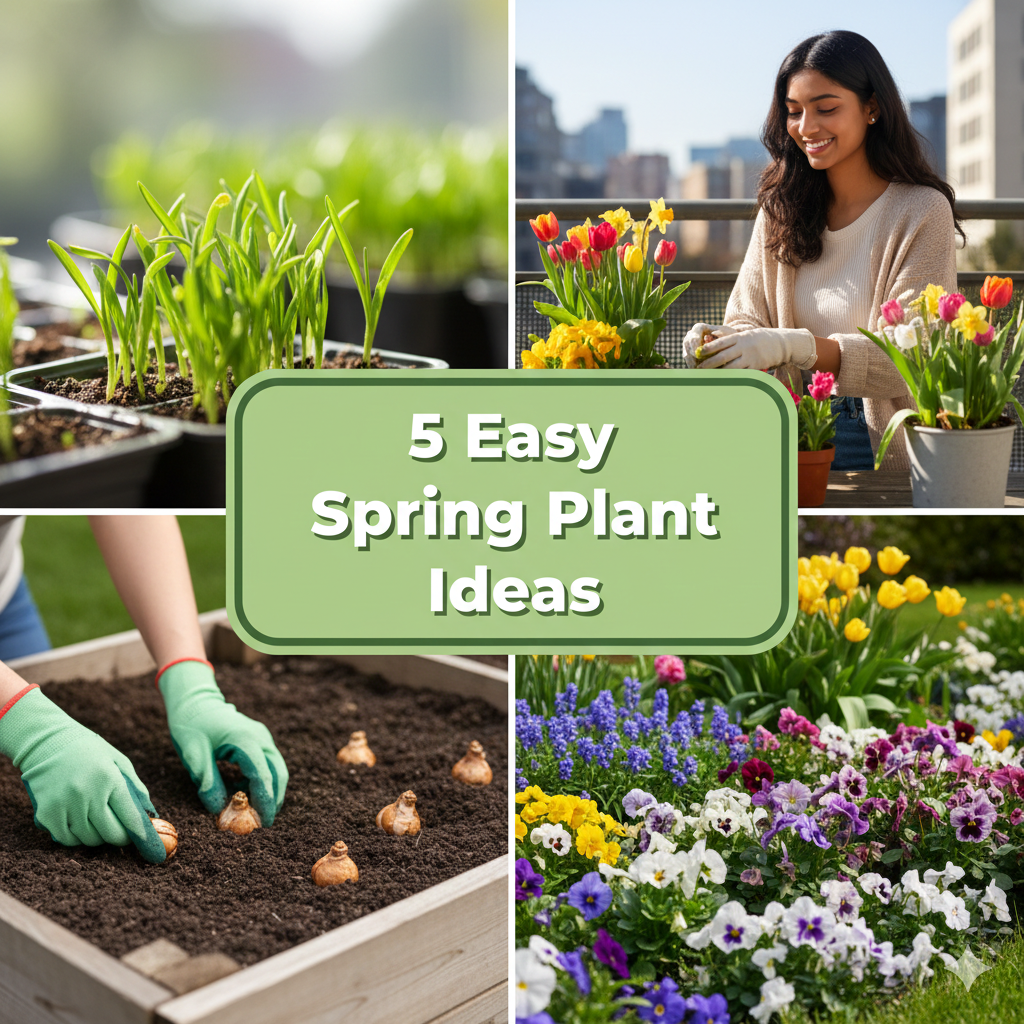
This article is full of 5 easy spring plant ideas that look gorgeous, are beginner-friendly to grow and won’t break the bank. Whether you’re gardening in a bed, covering your porch in pots or placing a couple of plants on the windowsill — there’s something for you.
Let’s dig in.
Idea 1: Construct a Jolly Tulip Arrangement
The Spring Plant That Never Wears Out
If there were an official flower of spring, the tulip would likely be it. These confident, cup-like flowers appear in nearly every color conceivable — red, yellow, pink, purple, orange, white and even black.
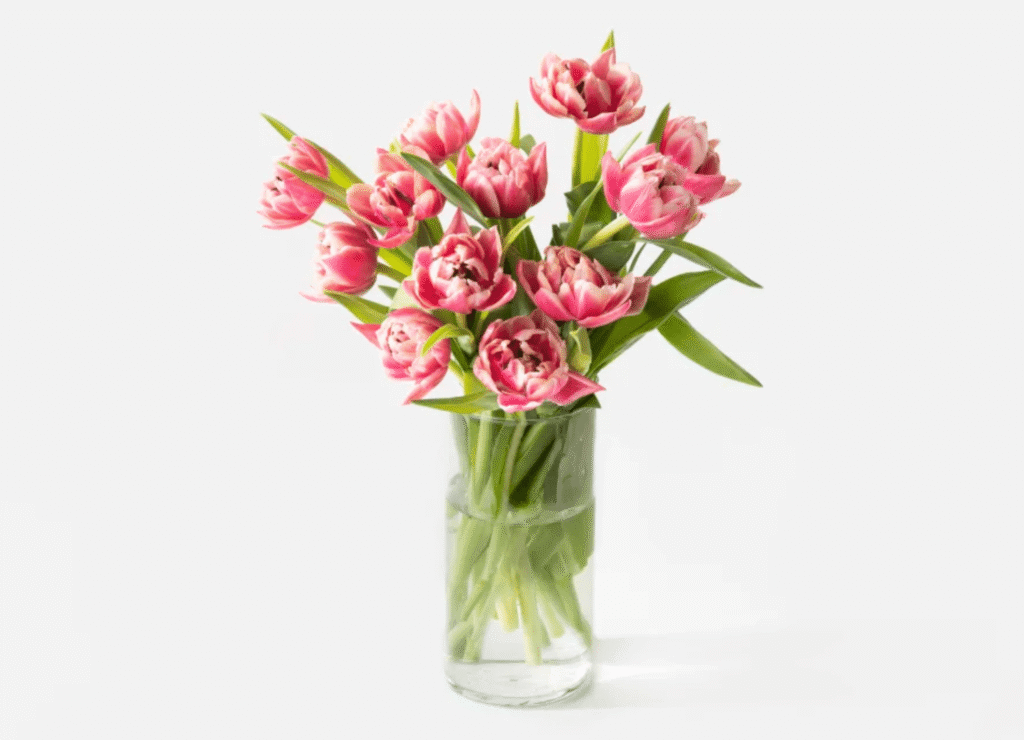
Tulips are easy to grow, and they deliver instant impact. Just one pot of tulips on a doorstep or balcony can change the entire look of a space.
The best part? They hibernate most of the winter, working underground. By spring, they are ready to burst forth and strut their stuff.
How to Plant Tulips the Right Way
Tulips grow from bulbs. You put the bulbs in the ground in autumn — and then they flower in spring. If you’ve missed the autumn planting window, many garden centers carry pre-chilled bulbs in early spring that you can go ahead and plant.
Here’s a simple guide:
- Depth: 6 inches, pointy side up
- Spacing: Space bulbs 4 to 6 inches apart
- Soil: Well-draining — tulips dislike being kept in water
- Sun: Pick a location that gets 6 or more hours of sun
Plant bulbs closely in containers for a full, lush appearance. You can fit six to nine tulip bulbs in one 12-inch pot without a problem.
Mix Colors for Maximum Impact
Don’t just pick one color. Combine several colors that work well together. Some popular combos:
| Color Combo | Mood It Creates |
|---|---|
| Red + Yellow | Bold and energetic |
| Pink + White | Soft and romantic |
| Purple + Cream | Elegant and sophisticated |
| Orange + Yellow | Warm and cheerful |
| Dark Red + Pale Pink | Dramatic and rich |
After tulips have bloomed and the petals have dropped, allow the leaves to die back naturally. This nourishes the bulb for next year’s display.
Idea 2: A Mini Herb Garden You Can Actually Eat
Growing Fresh Herbs Is a Spring Plant Idea You Should Probably Try
This is among the most practical spring plant ideas out there. A mini herb garden at your fingertips provides fresh ingredients for cooking — and looks beautiful, too.
Herbs are small in size, inexpensive and surprisingly simple to grow in spring. Most of them enjoy the moderate temperatures and lengthened hours of daylight that accompany the season.
You can grow herbs in a garden bed, a long window box, individual pots or on your balcony in a rail planter. If you’re looking for more small-space gardening inspiration, Small Balcony Garden is packed with creative ideas for compact outdoor spaces.
Best Herbs to Grow in Spring
| Herb | Sunlight | Watering | Best For |
|---|---|---|---|
| Basil | 6+ hrs full sun | Moderate | Pasta, salads, pizza |
| Parsley | Partial to full sun | Moderate | Soups, garnishes |
| Chives | Full sun | Low | Eggs, potatoes, dips |
| Mint | Partial shade | Moderate | Drinks, desserts, teas |
| Thyme | Full sun | Low | Roasted meats, stews |
| Cilantro | Partial sun | Moderate | Tacos, curries, salsa |
Secrets to a Successful Herb Garden
Plant mint separately. Mint is aggressive and will take over your other herbs. Give it its own pot.
Harvest often. The more you trim herbs back, the bushier and more productive they are. Don’t be afraid to snip.
Group by water needs. Thyme and chives like it drier. Basil and parsley thrive with consistent moisture. Planting similar herbs near each other simplifies care.
Use good potting mix. Avoid heavy garden soil in containers. A light potting mix that drains well keeps herb roots happy.
A simple herb garden is one of those spring plant ideas that gives all season long — you’ll be glad every time you cook that you planted it.
Idea 3: A Colorful Container Garden With Pansies and Violas
Small Flowers, Big Personality
If you crave immediate color this spring — and want it quickly — pansies and violas are your best friends.
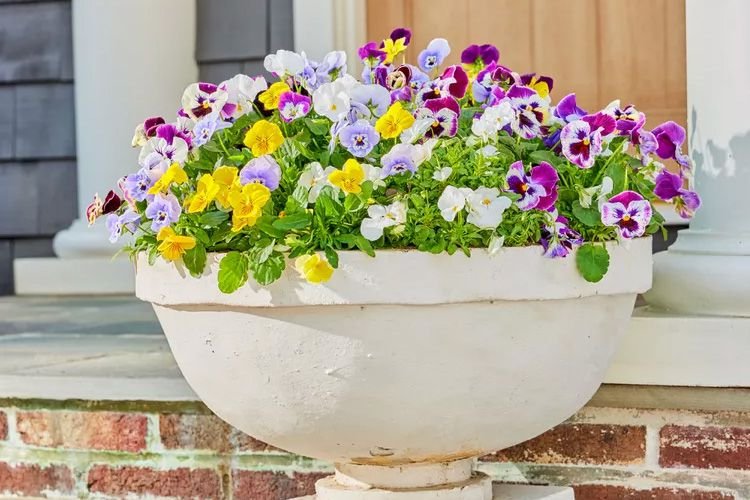
Little but powerful, these flowers are one of the most popular spring plant ideas for a very good reason. They blossom early, withstand cool temperatures, are available in dozens of colors and are nearly impossible to kill.
Pansies have bigger flowers and unique “face” markings. Violas are smaller, but they produce more flowers and are actually hardier in cold weather. Both are great for pots, window boxes and garden borders.
Why Pansies Are So Effective in Spring
- They can take light frost — which makes them perfect for early spring planting
- They bloom for months, from early spring into early summer
- They are available in single colors, bicolors and multicolors
- They look gorgeous on their own or combined with other spring blooms
How to Create a Stunning Pansy Container
Select a container at least 8 inches deep with drainage holes. Add fresh potting mix. Then follow this simple layering technique:
Step 1 — Select your anchor plant. Choose one tall plant for the center or rear. Any snapdragon or ornamental grass will do.
Step 2 — Plant in pansies. Space them about 6 inches apart and plant 3 to 5 pansies around the anchor plant.
Step 3 — Add spillers around the edges. Trailing violas or alyssum spilling over the edge of the pot finish it beautifully.
Step 4 — Water and deadhead regularly. Snip spent blooms every few days to encourage new ones.
Pansy Color Guide
| Color | Best Paired With |
|---|---|
| Deep purple | Yellow or white violas |
| Bright yellow | Blue or violet pansies |
| White | Any bold single color |
| Orange | Dark burgundy or navy blue |
| Mixed rainbow | Simple green foliage plants |
They are cold-hardy plants, inexpensive to purchase and immediately gratifying. For a novice in search of simple spring plant ideas, they’re an excellent place to start.
Idea 4: Go Vertical This Spring With Climbing Plants
Height, Drama and a Serious Wow Factor
Most people think in horizontal terms about planting — filling pots and beds with flowers and herbs. But a spring plant idea often ignored is going vertical.
Climbers add height, drama and a serious wow factor to any garden. They can cover a fence, trellis, balcony railing or old wall. And a lot of them grow at astonishing rates once the spring warmth settles in.
Top Climbing Plants to Start in Spring
Sweet Peas Sweet peas are among the most popular spring climbers. They bear masses of tiny, fragrant flowers in pink, purple, red and white. They are fast-growing, easy from seed and they smell amazing.
All you have to do is put seeds in the soil or into a deep container next to a trellis or support. They’ll begin climbing within weeks.
Clematis Clematis is a showstopper. It produces big, beautiful flowers and climbs easily up fences, trellises and railings. It does take a season or two to get fully established, but once it is, expect a glorious show each spring.
Nasturtiums Nasturtiums are a bit different — they sprawl and trail rather than climb straight upward. But train them up a small trellis and they’ll reward you all season long with bright orange, yellow and red edible flowers.
Yes, edible. The flowers have a peppery taste and look stunning in salads.
Setting Up a Simple Trellis
You don’t need anything fancy. Three or four bamboo canes tied at their ends into a teepee shape work beautifully for sweet peas. A simple wooden trellis panel placed against a wall or fence works fine for clematis.
The trick is to provide climbing plants with their support early — before they start growing. Once they get started, they’ll scale upward on their own.
| Climbing Plant | Height | Fragrant? | Best Support |
|---|---|---|---|
| Sweet Peas | 4–6 ft | Yes | Bamboo canes, trellis |
| Clematis | 6–12 ft | Some varieties | Fence, trellis, railings |
| Nasturtiums | 3–5 ft | No | Small trellis, trailing |
| Morning Glory | 8–10 ft | Mild | Fence, pergola |
| Honeysuckle | 10–20 ft | Yes | Arch, large trellis |
Going vertical is one of the most visually impactful and creative spring plant ideas you can try this season.
Idea 5: Be Kind to Bees and Butterflies With a Pollinator Patch
Your Garden Can Help Save the Planet — One Bee at a Time
Here’s a spring plant idea that is just as good for nature as it is lovely to look at. A pollinator patch is a small area of your garden — maybe even just one container — planted with flowers that draw bees, butterflies and other beneficial insects.
Why does this matter? Because pollinators are struggling. Bee and butterfly populations are in serious decline globally because of pesticides, climate change and habitat loss. Even just a small patch of pollinator-friendly flowers can make a real impact.
And the best part? Pollinator plants are among the most beautiful, easiest flowers to grow.
Best Pollinator Plants to Grow in Spring
Lavender Bees absolutely love lavender. It’s drought-tolerant, smells fantastic and has beautiful purple spikes that bloom from late spring through summer. It grows well in containers as well as garden beds.
Alliums These are the ornamental cousins of the onion and garlic family. Alliums produce large globe-shaped purple flower heads that attract droves of pollinators. They sprout from bulbs and require minimal care.
Foxglove Foxglove produces tall spires of tubular flowers in pink, purple and white. Bumblebees especially love them. They are biennial (they bloom in their second year), but they self-seed freely and return again and again.
Echinacea (Coneflower) Coneflowers are rugged, long-blooming and irresistible to bees and butterflies. They flourish from early summer onward, but spring is the ideal time to plant them.
Borage Borage is a hidden gem. It bears blue, star-shaped flowers that bees love. It grows fast, self-seeds and has edible flowers — try them frozen in ice cubes for an eye-popping effect.
How to Set Up a Small Pollinator Container
You don’t need a big garden. One large container (12 inches wide or larger) can become a pollinator paradise buzzing with activity.
- Choose 3 to 4 types of pollinator plants with varying bloom times
- Use peat-free, nutrient-rich potting mix
- Place in a sunny spot — most pollinator plants like full sun
- Do not use pesticides anywhere near the container
- Place a small shallow dish of water nearby for bees to sip from
Pollinator Plant Quick Reference
| Plant | Attracts | Bloom Time | Difficulty |
|---|---|---|---|
| Lavender | Bees | Late spring–summer | Easy |
| Alliums | Bees, butterflies | Late spring | Easy |
| Foxglove | Bumblebees | Late spring–early summer | Moderate |
| Echinacea | Bees, butterflies | Summer | Easy |
| Borage | Bees | Spring–summer | Very easy |
According to the Xerces Society for Invertebrate Conservation, planting even a small patch of native flowering plants can meaningfully support local pollinator populations.
A pollinator patch is one of those spring plant ideas that feels truly worthwhile. You’re not just growing flowers — you’re building a little ecosystem.
How to Make Any Spring Plant Idea Work Better
Start With Good Soil
However you decide to plant this spring, it’s still all about the soil. Fresh potting mix for containers. Well-enriched, well-draining soil for garden beds. Don’t skip this step.
Water Regularly — But Don’t Go Overboard
Spring weather can be unpredictable. If it has rained, skip a watering day. In warm dry weather, check your plants every day. The rule is simple: water when the top inch of soil feels dry.
Feed Your Plants
Spring is a period of rapid growth. Plants are hungry. Use a balanced, slow-release fertilizer when you first plant and then a liquid feed every couple of weeks through the growing season.
Protect From Late Frosts
In early spring, sudden frosts can destroy tender plants. Keep an eye on the forecast. Cover plants with a light fleece overnight if frost is predicted. Peel it off in the morning when temperatures rise.
Common Spring Planting Mistakes to Avoid
| Mistake | Why It’s a Problem | Easy Fix |
|---|---|---|
| Planting too early | Late frosts can kill young plants | Check the last frost date for your area |
| Overcrowding plants | Blocks airflow, causes disease | Follow spacing instructions on plant labels |
| Using old potting mix | Loses nutrients and drainage over time | Use fresh mix every spring |
| Forgetting to harden off | Indoor-grown plants shock easily outdoors | Gradually introduce to outdoor conditions over 7–10 days |
| Skipping drainage holes | Leads to root rot in containers | Always use pots with holes |
| Inconsistent watering | Stresses plants, reduces flowering | Check soil moisture daily |
FAQs About Spring Plant Ideas
Which spring plants are the most straightforward for absolute beginners?
The simplest starting points are pansies and violas, plus herbs like chives and mint. They’re forgiving, broadly available and rewarding even with little effort. Tulip bulbs are also ideal for beginners — they get planted in autumn and do the rest on their own.
Can I grow spring plants on a small balcony with limited sunlight?
Yes. Many spring plants thrive in partial shade. Impatiens, parsley, mint and violas will all do well with only 3 to 4 hours of sunlight. For best results, opt for balcony-friendly varieties that face north or east.
When should you start planting spring flowers?
Most spring flowers can be planted anywhere from late February to April, depending on your climate. Hardy plants like pansies and violas can withstand light frost and are often set out early. For tender plants such as basil or nasturtiums, wait until your last expected frost date has passed.
Do I need a garden to try these spring plant ideas?
Not at all. All of these ideas work in containers, window boxes or rail planters. A balcony, patio or even a sun-drenched windowsill is all the space needed to grow something beautiful this spring.
How can I keep spring plants flowering for longer?
The number one trick is deadheading — the regular removal of spent flowers. It prevents the plant from going to seed and encourages it to produce new blooms. Regular watering and feeding also greatly extend the length of the flowering season.
Are any of these spring plant ideas pet-safe?
Some plants are toxic to pets. Ingestion of tulips and alliums can be harmful to cats and dogs. Pansies, violas, nasturtiums and borage are generally regarded as non-toxic and therefore safer around pets. Always check before planting if you have animals that visit your garden.
How much does it cost to start a spring garden?
You can get a simple spring container garden going for less than $20. A packet of pansy seeds, a bag of potting mix and a couple of herb plants from the garden center is all you need to get started. Cheap doesn’t mean it can’t be beautiful.
Spring Is Short — So Make It Count
Spring doesn’t last forever. That’s actually part of what makes it so special. The flowers are vibrant and lively, but the season passes quickly. The best time to start planting is always now.
Whether you prefer a showy tulip arrangement, a functional herb patch, bountiful pansies, dramatic climbers or a life-sustaining pollinator patch — all of these spring plant ideas are accessible to any gardener at any experience level.
Here’s a quick recap of all 5 ideas:
- Tulips — classic, colorful and rewarding from bulb to bloom
- Mini herb garden — practical, fragrant and fresh all season long
- Pansies and violas — cold-hardy, fast to grow and a riot of color
- Climbing plants — go vertical for height, drama and visual impact
- Pollinator patch — beautiful flowers that provide a haven for bees and butterflies
You don’t need a perfect garden. You may not have years of experience. All you need is one pot, one plant and the choice to begin.
Get your hands in the soil. Spring is waiting.