
No one wants to cohabitate with pests.
Whether it’s ants marching across your kitchen counter, cockroaches hiding under the sink or mosquitoes buzzing around your bedroom at night — pests are irritating, unsanitary and sometimes threatening.
The good news? You don’t have to call an exterminator every time you see a bug. With the right habits and a few savvy strategies, you can repel most pests yourself.
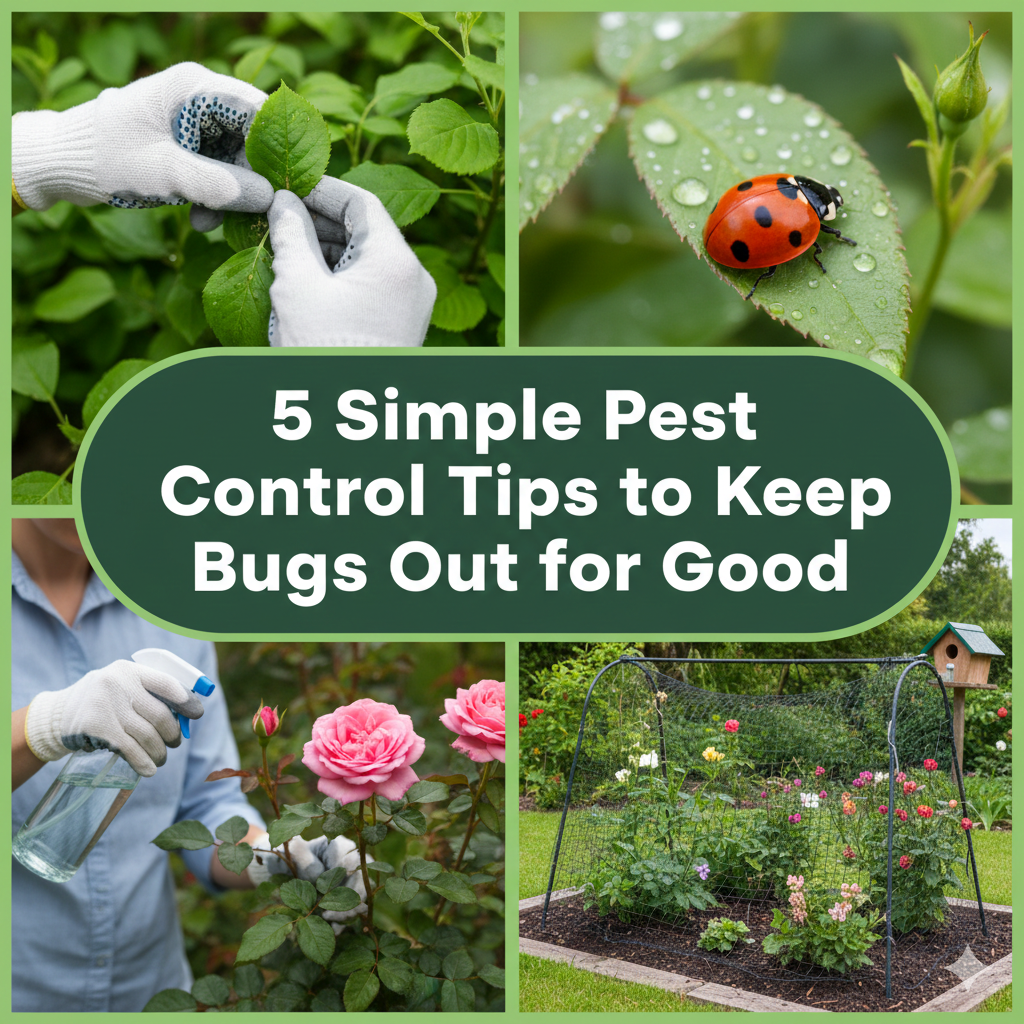
Here are 5 simple pest control tips you can follow in this article. No expensive chemicals. No confusing instructions. Just practical steps that work.
Let’s dive in.
The Importance of Pest Control at Home
Pests aren’t just a nuisance. They can cause real problems.
Rodents gnaw through wires and start house fires. Cockroaches carry bacteria and cause allergies. Some mosquitoes spread diseases such as dengue and malaria. Termites destroy the wooden frame of your home silently, over time.
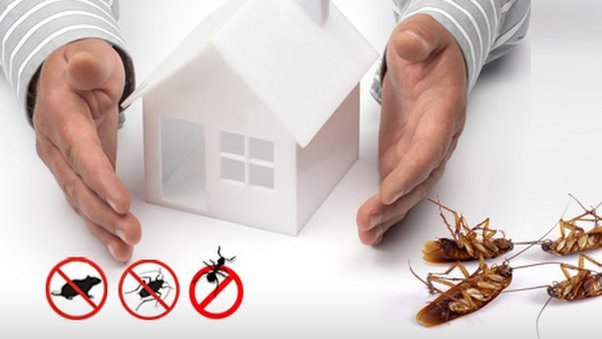
And here’s the thing — when you see pests, odds are there are many more hiding in places you can’t. A minor problem can escalate into a full-scale invasion shockingly quickly.
That’s why prevention is better than treatment.
If you act early — and act smart — it can save you money, stress and a whole lot of trouble later on.
How Bad Can a Pest Infestation Be?
| Pest | Damage They Cause | Health Risk |
|---|---|---|
| Cockroaches | Food contamination, stains | Allergies, asthma, salmonella |
| Rodents | Chewed wires, structural damage | Hantavirus, leptospirosis |
| Termites | Destroys wood and foundations | None directly, but costly |
| Mosquitoes | Minor physical damage | Dengue, malaria, Zika virus |
| Ants | Food contamination | Some species bite or sting |
| Bed Bugs | Fabric and furniture damage | Skin rashes, sleep disruption |
Prevention is not just smart — it’s critical.
Tip #1 — Seal Up All the Cracks and Gaps You Can Find
Pests don’t just come out of thin air. They invade through gaps, cracks and openings in your home’s walls, floors, doors and windows.
Even the smallest crack can be an open door to ants, cockroaches, spiders and mice. For example, a mouse can wiggle through a hole the size of a dime. Insects need even less space.
Where to Check First
These high-risk entry points are good places to start:
- Around pipes and cables that run through walls
- Under and around doors — particularly the gap at the bottom
- Window frames with cracked or worn seals
- Cracks along the base of your house
- Roof vents and attic openings
- Gaps around air conditioning units
Walk around your home — inside and outside — and observe closely. You’re likely to find more entry points than you expected.
How to Seal Them
Different gaps need different solutions:
| Gap Type | Best Sealing Method |
|---|---|
| Wall gaps | Caulk or sealant (paintable) |
| Under door gaps | Door sweep or draft stopper |
| Gaps around pipes | Steel wool + expanding foam |
| Window frame gaps | Weather stripping |
| Vents + openings | Fine mesh wire screens |
Steel wool comes in handy for rodent entry points. Mice will gnaw through foam by itself, but they cannot gnaw through steel wool.
Make It a Seasonal Habit
Inspect your home’s entry points at least twice annually — before summer, when the bugs come out, and before winter, when rodents want to come indoors. This one habit could be all it takes to keep pests out.
Tip #2 — Starve Them of Food and Water
There are three things pests are coming into your home for: food, water, and shelter. Depriving them of food and water makes their presence futile.
This tip sounds simple. But it demands regular habits that many people ignore, not realizing how essential they are.
Kitchen Practices That Prevent Pests
The kitchen is the primary target zone of most pests. Here’s how to make it less appealing:
- Store food in airtight containers. Cardboard boxes and plastic bags won’t do. They are easy for ants and cockroaches to chew through.
- Clean up crumbs immediately. Even small crumbs on countertops or flooring will attract insects.
- Don’t leave dirty dishes overnight. This is one of the major attractants for cockroaches.
- Take out your trash every day or use a bin with a tight-fitting lid.
- Wipe down counters and stovetops after cooking — grease and food residue are major pest attractants.
Don’t Forget About Water
Like all living things, pests require water as well as food. Moisture particularly attracts cockroaches, silverfish and mosquitoes.
Address these common water problems at home:
- Dripping pipes beneath the sink — repair even minor leaks
- Water accumulating in trays beneath houseplants
- Clogged drains holding moisture and organic buildup
- Mops or sponges left out to dry
- Standing water around the outside, close to your foundation
Mosquitoes only need standing water — even the volume of a bottle cap — to breed.
The Clutter Connection
Clutter provides pests with places to hide and nest. Cockroaches, spiders and mice love to make a home in piles of clothes on the floor or stacks of old newspapers or cardboard boxes.
Declutter regularly. The less clutter there is — particularly in dark corners and closets — the fewer places pests have to hide.
Tip #3 — Use Natural Repellents That Actually Work
You don’t need chemical sprays all the time. Many natural ingredients are surprisingly effective at eliminating common household pests.

These alternatives are safer for children and pets, cost less, and you’ll probably already have what you need on hand.
Natural Repellents by Pest Type
| Pest | Natural Repellent | How to Use |
|---|---|---|
| Ants | Peppermint oil, cinnamon, lemon juice | Wipe on entry points and counters |
| Cockroaches | Boric acid, bay leaves, peppermint oil | Place in corners, under appliances |
| Mosquitoes | Citronella, lavender, eucalyptus oil | Use a diffuser or diluted on the skin |
| Mice | Peppermint oil, cloves, cayenne pepper | Soak cotton balls and place near entry spots |
| Flies | Basil, cloves, apple cider vinegar traps | Place near windows and food areas |
| Spiders | White vinegar spray, tea tree oil | Spray corners, window sills, doorways |
Boric Acid — An Overlooked Weapon for Pest Control
One of the most potent natural pest control weapons is boric acid. It is effective against cockroaches, ants and silverfish.
Boric acid powder sticks to the bodies of pests that walk through it. When they groom themselves, they consume it — and it kills them from within.
Apply a very thin layer of boric acid powder:
- Behind appliances (refrigerator, oven)
- Inside cabinet hinges and corners
- Under the sink
- Along baseboards
Important: This should be a very light dusting. A thick layer actually drives pests away rather than attracting them. And keep it away from children and pets.
DIY Pest Repellent Spray Recipe
One general-purpose repellent spray you can make at home:
- 1 cup water
- 1 cup white vinegar
- 15 drops peppermint essential oil
- 10 drops tea tree oil
Combine in a spray bottle and spritz along baseboards, window sills, door frames and anywhere you’ve found signs of pest activity. For optimal results, reapply every few days.
Tip #4 — Keep Your Yard and Outdoor Spaces Tidy
Most people direct all their pest control efforts inside the house. But pests typically begin outside and make their way in.
Your garden, your yard and the area right around your house can either lure pests in or keep them out — depending on how you maintain it.
Outdoor Pest Hotspots to Watch
Piles of leaves and yard waste — These are great hiding and nesting places for cockroaches, spiders and rodents. Clear them regularly, particularly near your home’s foundation.
Stacked firewood — Never stack firewood against your home. It’s a popular nesting site for termites, ants and spiders. Keep it at least 20 feet away and elevated off the ground.
Overgrown bushes and grass — Dense vegetation provides shelter for pests. Trim bushes that touch your walls or windows, as they act like highways for insects getting inside.
Standing water in the yard — Birdbaths, old tires, clogged gutters and saucers under flower pots all fill with water. In 48 hours, mosquitoes can breed in just a teaspoon of stagnant water.
Garbage bins — Outdoor garbage bins with lids that don’t close tightly attract flies, rodents and raccoons. Use bins with tight-fitting lids and rinse them out periodically to remove waste residue.
Plants That Naturally Repel Pests
Some plants deter pests naturally. Incorporating them into your garden or balcony can reduce the number of insects that approach your home.
| Plant | Pests It Repels |
|---|---|
| Lavender | Moths, mosquitoes, fleas |
| Basil | Flies, mosquitoes |
| Mint | Ants, mice, mosquitoes |
| Marigold | Aphids, mosquitoes, whiteflies |
| Rosemary | Mosquitoes, beetles, carrot flies |
| Lemongrass | Mosquitoes (contains citronella) |
A small balcony garden with a handful of these plants can make a really big difference. If you have limited outdoor space, check out Small Balcony Garden for inspiration on how to grow pest-repelling plants in small corners.
Don’t Forget the Gutters
Clogged gutters retain moisture and rotting leaves — just what pests crave. Clean your gutters at least twice a year to keep them from turning into a pest breeding ground right above your home.
Tip #5 — Deploy Targeted Traps for Specific Pests
Sometimes prevention isn’t enough. If you already have pests in your house, you’ll need to directly address them. The most effective and low-risk way to do this is with targeted traps.
The operative word here is targeted. Different pests need different traps. Using the wrong type is a waste of time and money.
Top Traps for Common Household Pests
Cockroach Gel Bait Gel bait is one of the best cockroach treatments on the market. It draws in cockroaches, which consume it and return to the nest, spreading the poison to other roaches through contact and droppings. Put small dots behind appliances, inside cabinets and under the sink.
Snap Traps for Mice Old-school snap traps are still some of the best mouse control tools available. Bait them with peanut butter (better than cheese — it sticks and has a strong smell). Position them along walls, because mice rarely run through the middle of a room.
Sticky Traps for Insects Sticky traps are an effective monitoring and trapping method for cockroaches, spiders and silverfish. They’re non-toxic and safe to use around kids and pets. Place them in corners, under appliances and inside cabinets.
Mosquito Traps and Zappers Electric mosquito zappers and CO₂ traps are great for attracting and killing mosquitoes. These work best in bedrooms, living rooms and outdoor lounge areas.
Apple Cider Vinegar Fruit Fly Trap Put a little apple cider vinegar in a glass, cover with plastic wrap and poke small holes. Fruit flies fly in but aren’t able to escape. Works within hours.
Trap Placement Matters
| Pest | Where to Place Traps |
|---|---|
| Cockroaches | Under sink, behind fridge, inside cabinets |
| Mice | Along walls, behind furniture, in attics |
| Fruit Flies | Near fruit bowls, trash bins, sink drains |
| Spiders | Dark corners, closets, window sills |
| Mosquitoes | Bedrooms, living areas, patios |
Check and replace traps regularly. A full or dead trap stops working and has to be replaced right away.
When to Call a Professional
These tips address the most common pest problems and you can generally manage them yourself. But some situations require professional assistance:
- A termite infestation (these need specialized treatment)
- A large rodent infestation with evidence of nesting
- Bed bugs (almost impossible to remove without professional help)
- Recurring pest problems that do not go away
According to the National Pest Management Association, professional pest inspections at least once a year are recommended for homeowners — particularly in areas with high pest activity.
How to Build a Simple Pest Control Routine
The most effective pest control is consistent pest control. Here’s a simple weekly and monthly routine to keep your home protected all year round.
Weekly Pest Control Checklist
- ✅ Wipe down kitchen countertops, stovetops and sink daily
- ✅ Take out the trash and replace liners
- ✅ Look underneath the sink for any moisture or drips
- ✅ Sweep and mop kitchen and bathroom floors
- ✅ Check sticky traps and replace when needed
Monthly Pest Control Checklist
- ✅ Check door sweeps and window seals
- ✅ Inspect outdoor areas for standing water
- ✅ Prune and cut back plants and bushes that contact the home
- ✅ Look in dark corners, closets and storage spaces
- ✅ Reapply natural repellent sprays around entry points
- ✅ Inspect boric acid applications and reapply as necessary
Seasonal Pest Control Focus
| Season | Main Pest Threat | Key Action |
|---|---|---|
| Spring | Ants, termites | Seal cracks and check your foundation |
| Summer | Mosquitoes, flies | Remove standing water and use repellents |
| Fall | Rodents, spiders | Seal entry points and clear yard debris |
| Winter | Cockroaches, rodents | Monitor indoor moisture and set traps |
FAQs About Simple Pest Control Tips
Q: What is the easiest pest control tip that works best for a beginner? A: Start with sealing entry points and storing food properly. Just these two steps prevent most pest problems from developing. They take almost no money and no special skills.
Q: Do natural pest control methods work as well as chemicals? A: Yes, for mild to moderate pest activity. Natural repellents like peppermint oil, boric acid and vinegar sprays work well for prevention and early-stage issues. For an infestation, you may require stronger products or professional help.
Q: How do I get rid of cockroaches fast at home? A: Try cockroach gel bait in key spots (under the sink, behind the fridge, inside cabinets). Combine with boric acid in corners and remove every source of moisture. Results are typically visible within a matter of days.
Q: Can I do pest control myself or do I always need a professional? A: Most common household pest problems — ants, cockroaches, flies, mice — can be effectively handled using DIY methods. Termites, bed bugs and large infestations usually need professional treatment.
Q: How frequently should I inspect my home for pests? A: Do a basic check of the kitchen, bathroom and entry points weekly, and a more thorough inspection monthly. A seasonal check every three months keeps you ahead of any new activity.
Q: What attracts pests the most? A: The biggest attractants are food crumbs, dirty dishes, standing water, clutter and gaps in your walls. Remove these and you eliminate most of the reasons pests enter your home.
Q: Are store-bought pest control sprays safe for kids and pets? A: Many store-bought sprays contain ingredients that can be harmful. Always read labels carefully. Natural alternatives such as peppermint oil spray, vinegar spray or boric acid can be safer choices when used properly and without direct contact.
The Bottom Line — Small Habits, Big Results
You don’t have to spend lots of money, time or effort on pest control.
The 5 simple pest control tips in this article — sealing entry points, cutting off food and water sources, using natural repellents, maintaining your outdoor areas and setting targeted traps — give you a well-rounded, practical system to keep your home pest-free.
You don’t have to do it all at once. Start with one tip. Then add another. Establish small habits that feel like part of your daily routine, and soon you’ll see a significant difference in how few pests you’re contending with.
A clean, sealed, well-maintained home is the best pest control system available.
Start today. Your home — and everyone in it — will thank you.