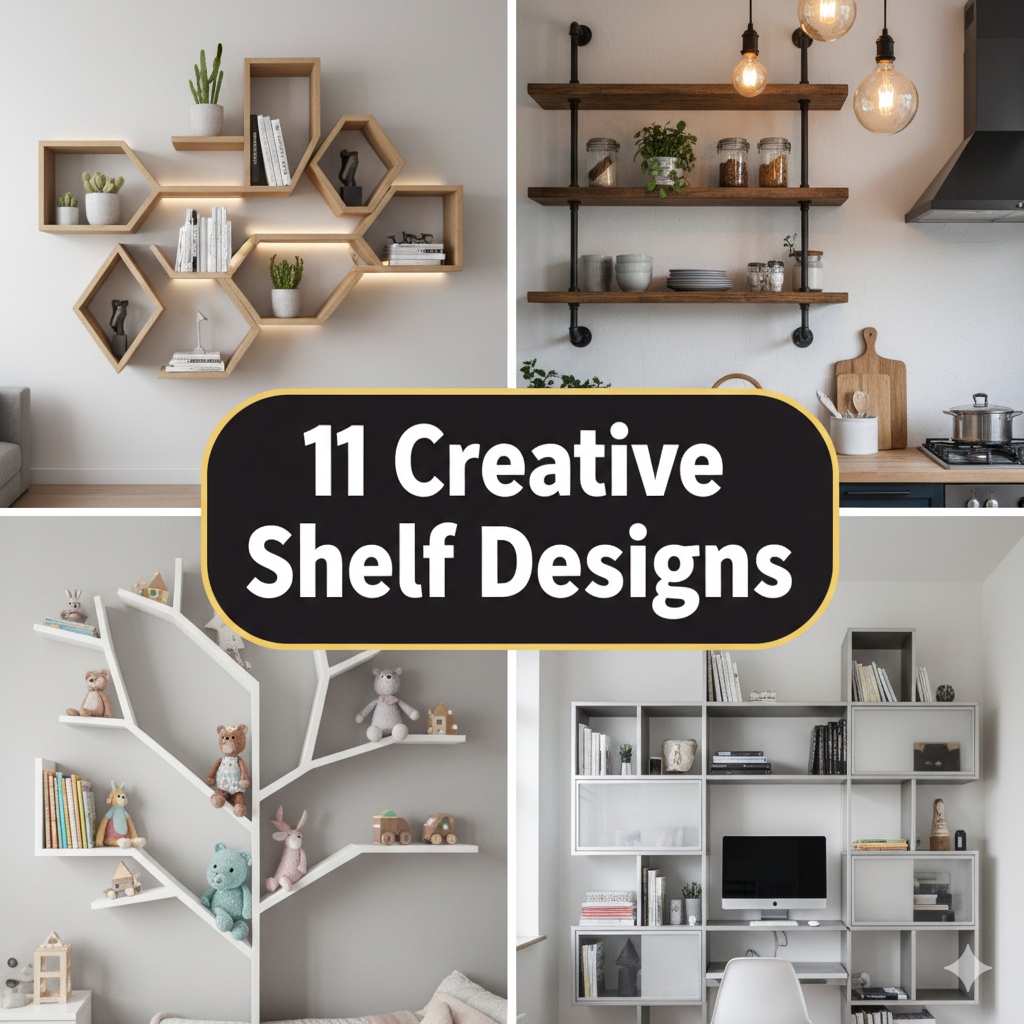
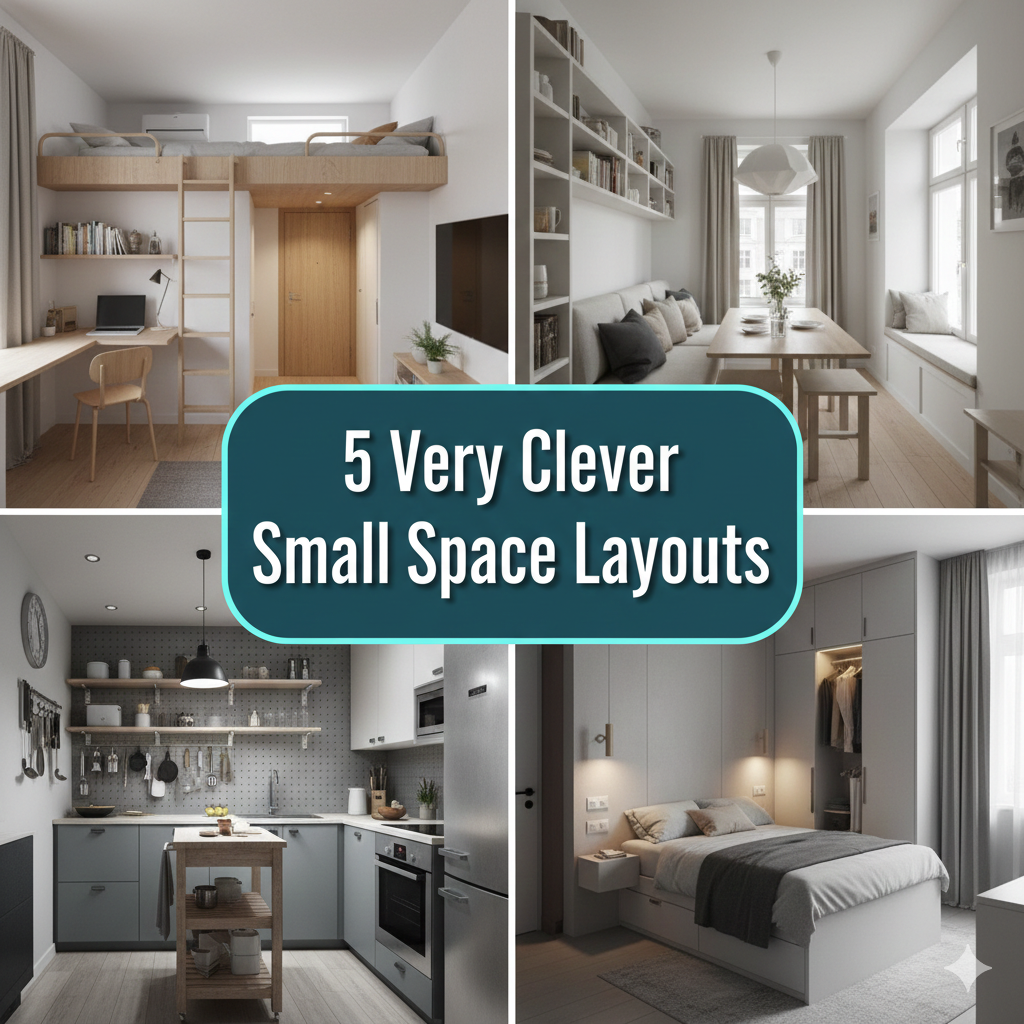
Small doesn’t need to feel cramped. With a proper layout, even the smallest apartment or room can feel spacious, comfortable and fully livable. People are downsizing today — some out of choice, others necessity. And smart design has been making that shift easier than ever.
This article will take you through 5 of the most popular smart compact layouts used by actual designers who understand how to extract every bit of value from a small space. So whether the apartment you’re redesigning is a studio, a tiny house or just a small bedroom, these layouts can help offer practical solutions that you might actually use.
Let’s get into it.
Definitive Guide to Compact Layouts: Importance
Housing costs are rising. Cities are getting denser. And fewer are unhappy about living with less. Interest in smart, compact residential spaces has exploded in the last 10 years.
But small living doesn’t mean poorly lived. In fact, a compact layout that is well composed may feel more comfortable than a poorly designed large space.
The secret? Intentional design.
Every piece of furniture, every wall, every corner has to labor harder in a small space. That’s the name of the compact-layout game — making smart tradeoffs so nothing is wasted.
What Makes a Layout “Smart”?
For all that, a smart compact layout does three things:
- It maximizes usable space without making the room feel cramped
- It delineates zones so that different activities don’t bleed into one another
- It uses vertical space and not just floor space
So, as we go over each layout below, be mindful of these three ideas.
Layout #1 — The Open Studio Flow
One of the most popular designs for small apartments is the open studio layout. It clears out unnecessary walls and allows the entire space to breathe as one connected territory.
In a more conventional apartment you would have separate entrances for your kitchen, living room and bedroom. In an open studio flow, these zones are in the same room — just divided by strategic placement of smart furniture and visual cues instead of walls.
How It Works
This layout relies on zone creation without fragmentation.
You use rugs, lighting and the arrangement of furniture to indicate where one area ends and another begins. For example:
- A rug underneath the sofa delineates the “living area”
- A kitchen island or bar cart divides the cooking area
- A bookshelf or curtain serves as a “bedroom” divider
This makes the space feel open while allowing each zone to have its own character.
Best For
- Studio apartments that are less than 500 sq ft
- Single occupants or couples
- Individuals who work from home and require open space
Open Studio Flow: Quick Tips
| Design Element | What It Does |
|---|---|
| Consistent flooring | Makes the space feel unified and larger |
| Neutral color palette | Prevents visual clutter |
| Multi-use furniture | Saves floor space |
| Strategic lighting | Defines zones without walls |
| Mirrors | Reflect light and create depth |
The open studio flow is most effective if you make a commitment to keep clutter low. Since everything is visible all at once, mess visually expands over the entire space.
Layout #2 — The Vertical Living Stack
When designing a room, most people think about floor space. But vertical space is gold in compact layouts.
The vertical living stack layout makes use of height — wall height, ceiling height and the space above furniture — to insert storage, function and visual interest without occupying any additional floor square footage.
Going Up Instead of Out
Consider all the wall space that is totally wasted in most rooms. In a vertical living stack arrangement, that changes.
You’ll see things like:
- Floor-to-ceiling shelving units
- Loft beds with a desk or storage underneath
- Fold-up, wall-mounted desks that tuck away when not needed
- Overhead cabinet systems in kitchens and bathrooms
- Hanging organizers and pegboards for kitchens or workspaces
This layout is especially helpful in high-ceiling rooms. But even in rooms with ordinary 8-foot ceilings, going vertical can double your usable storage.
The Loft Bed Game-Changer
The loft bed is one of the greatest wins in vertical living. Lifting the sleeping area off the floor instantly clears one whole section of the room below.
That space underneath can become:
- A home office
- A reading nook
- A wardrobe and dressing area
- A mini lounge with seating
Even just one piece of furniture can turn your small room around.
Best For
- Children’s rooms and teen bedrooms
- Studio apartments with high ceilings
- Dorm rooms and small rentals
- Tiny houses
Vertical Layout at a Glance
CEILING
│
├── Overhead storage cabinets
│
├── High shelving (books, decor, storage bins)
│
├── Mid-wall shelves / floating desk
│
├── Primary furniture (bed, sofa, table)
│
└── FLOOR — leave as clear as you can
The aim is to push weight upward and keep the floor area free. This gives the space a less cluttered feel, even when full of items.
Layout #3 — The Multi-Zone Micro Floor Plan
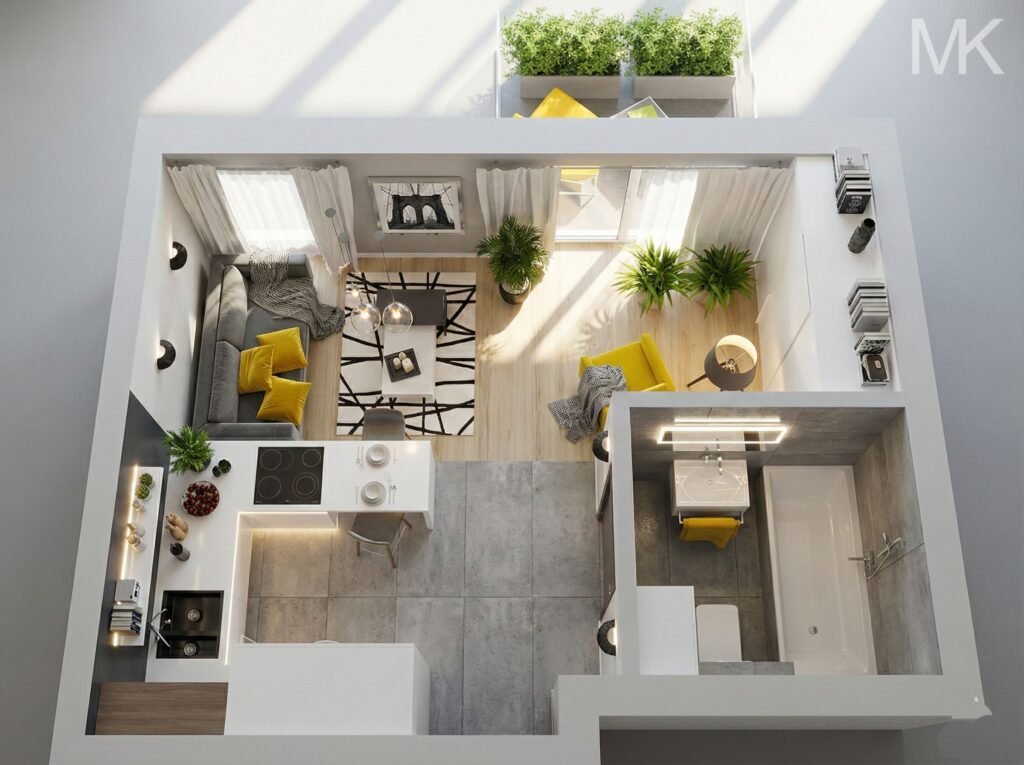
This plan is meant for those who want one small space to do a variety of things. It is common in studio apartments used by remote workers, small families or people seeking lots of function stuffed into a compact home.
The multi-zone micro floor plan segments a small space into activity zones — areas that are clearly designed for specific uses and separated from other activity zones.
Zones Within a Zone
Here is how this layout might divide a typical 400 sq ft studio:
| Zone | Purpose | Key Furniture |
|---|---|---|
| Sleep Zone | Rest + privacy | Loft bed or murphy bed |
| Work Zone | Remote work or study | Wall-mounted desk, task lighting |
| Kitchen Zone | Cooking + prep | Compact appliances, fold-out counter |
| Living Zone | Relaxing + hosting | Sofa, rug, TV or bookshelf |
| Storage Zone | Organizing belongings | Built-ins, under-bed storage |
Every zone is small, but because it’s defined and deliberate it feels whole.
The Power of Visual Borders
You don’t need walls to divide up zones. Visual boundaries function equally well:
- Rugs to ground a living or sleeping area
- Low-hung pendant lights over a dining or work area
- Curtain tracks that slide shut to divide a sleeping nook
- Accent colors on one wall to indicate another zone
- Room dividers made from furniture backs
It calls for a bit of planning at the outset, but once you do that, the space operates almost as though it were a full-sized home.
Best For
- Remote workers living alone
- Small families in tight spaces
- People who need a home that has it all
Layout #4 — The Flex-Function Furniture Layout
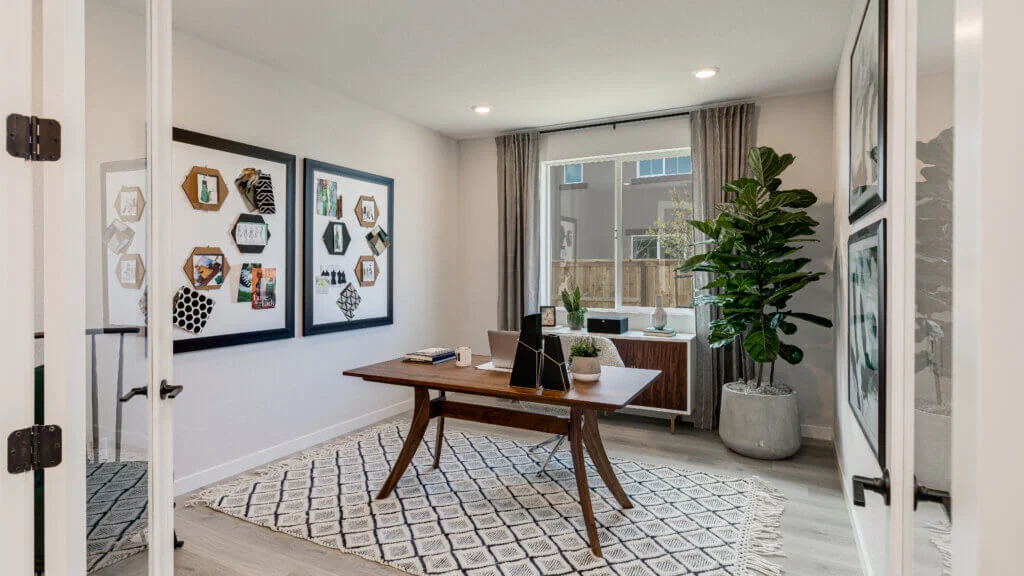
This arrangement is not concerned with the shape of the room — it’s about what fills it.
The flex-function furniture layout is completely focused on pieces that deliver more than one function. Everything in the room earns its place by doing two or more jobs.
Of all the compact layouts, this one is the simplest to manage because you can apply it to any room, no matter its shape or size.
Furniture That Works Overtime
Here are some of the most space-efficient multi-function furniture pieces used in this layout:
Sofa Beds — A couch during the day, a full bed at night. Ideal for studio apartments or guest rooms.
Ottoman with Storage — Functions as a coffee table, footrest, extra seating and storage box all in one.
Murphy Bed with Desk — Folds up into the wall during the day, exposing a full workspace behind.
Extendable Dining Table — Small for daily use, expands when guests come.
Bench with Storage — Placed at the foot of the bed, it stores extra blankets, pillows or shoes.
Nesting Tables — Stack away when not in use, spread out for family and friends.
Why This Layout Works So Well
When space is limited, each square foot of floor space counts. Every piece of furniture that occupies that space has to earn its keep.
When your coffee table also stores your board games, your bed also holds your winter clothes and your sofa also sleeps your guests — you have multiplied the function of your space without increasing its size.
Flex-Function Layout Efficiency Chart
| Furniture Piece | Functions It Replaces | Space Saved |
|---|---|---|
| Murphy Bed + Desk | Bedroom + Office | Full room |
| Sofa Bed | Living room + Guest room | One entire room |
| Storage Ottoman | Coffee table + Storage unit + Seating | 2–3 pieces |
| Fold-out Dining Table | Daily table + Dining table | Half the footprint |
| Loft Bed | Bed + Desk/Living area | Entire floor section |
Best For
- Anyone living alone in under 600 sq ft
- Frequent hosts with limited space
- Individuals who seek flexibility without compromising comfort
Layout #5 — The Corridor Efficiency Plan
This layout is particularly suited to long, narrow spaces — a frequent issue in city apartments, row houses and older buildings.
The corridor efficiency plan works with the natural shape of the space. Rather than resisting the narrow layout, it welcomes it and converts the length of the space into an effective flow.
Let the Shape Work for You, Not Against You
Long, narrow rooms tend to feel like hallways. The common mistake is placing furniture the wrong way — blocking the flow or making the space feel even more tunnel-like.
The corridor efficiency plan solves this by:
- Running furniture along the long walls to preserve the central path
- Using the end walls for statement pieces like shelving or a bed headboard
- Establishing a clear visual flow from one end of the space to the other
- Using light and mirrors to push the walls back visually
Room-by-Room Application
Narrow Kitchen: Lay out counters and appliances along both long walls, leaving a clear path down the center. Add open shelving above to keep items accessible without taking up space.
Narrow Living Room: One long sofa along a wall. Put a narrow console table or floating shelves on the opposite wall. Skip bulky furniture that would obstruct the path.
Narrow Bedroom: Move the bed to an end wall. Use the remaining length for a wardrobe on one side and a small desk on the other. This allows the walking path to stay open and the room to feel organized.
Design Tricks for Narrow Spaces
| Trick | Effect |
|---|---|
| Horizontal striped rug | Makes the room look wider |
| Large mirror on short end wall | Doubles visual depth of the room |
| Light-colored walls | Reflects light and opens up space |
| Slim-profile furniture | Creates more breathing room |
| Pendant or recessed lights | Avoids low-hanging fixtures that shrink headroom |
Best For
- Row house apartments
- City lofts with narrow floor plans
- Long, narrow bedrooms or living rooms
- Galley-style kitchens
How to Choose the Right Compact Layout for Your Space
Not every layout suits every space. Here is an easy way to determine which works best for your situation.
Step 1 — Measure Your Space
Get your square footage and ceiling height before anything else. These two numbers will inform pretty much every decision you make.
Step 2 — List Your Must-Haves
Make a note of everything you need from your space. Sleep, cook, work, exercise, entertain guests? The more functions you require, the more you’ll gain from a multi-zone or flex-function arrangement.
Step 3 — Define the Shape of Your Space
- Square or near-square → Open Studio Flow or Multi-Zone Micro Floor Plan
- Slender and linear → Corridor Efficiency Plan
- High ceilings → Vertical Living Stack
- Any shape → Flex-Function Furniture Layout (works everywhere)
Step 4 — Think About Your Lifestyle
A remote worker requires a separate workspace. A social person requires flexible hosting space. A family requires defined zones for different people. The details of your daily life should drive your layout decision.
Thinking beyond your interior? Even your outdoor areas deserve smart design. If you have a small balcony, check out Small Balcony Garden for clever ideas on turning tight outdoor spaces into lush, functional retreats.
Common Mistakes to Avoid in Compact Layouts
Even with the right intention and planning, small space design can go wrong. These are the most common mistakes and how to avoid them.
Furniture that’s too big — Always measure before you buy. A sofa that appears medium-sized in a showroom can gobble up half a small living room.
Ignoring vertical space — Most people forget to look up. Wall space above eye level that goes unused is a major missed opportunity.
Too many colors or patterns — Visual clutter makes a space seem smaller. Use only 2–3 colors and keep patterns minimal.
No defined zones — A tiny space without clear zones feels chaotic. Even simple rugs or lighting changes can make a huge difference.
Poor lighting — Dark corners shrink rooms. Add layered lighting — overhead, task and accent — to illuminate every area.
For more expert guidance on small-space design principles, the Apartment Therapy Small Space Living Guide is a trusted resource packed with real-home examples and practical tips.
FAQs About Smart Compact Layouts
Q: Which type of compact layout works best for a studio apartment? A: The Open Studio Flow or the Multi-Zone Micro Floor Plan are ideal for studios. They help delineate distinct areas without the use of actual walls, allowing you to create order within an open space.
Q: Is there any way to make a small room feel larger without renovation? A: Keep walls light, add mirrors and slim furniture, and use vertical storage. These changes need no renovation and can dramatically open up a small room.
Q: What furniture should one get in a compact layout? A: The best solution is multi-function furniture — murphy beds, sofa beds, storage ottomans and fold-out tables. These pieces do double duty without taking up extra physical space.
Q: Is it possible for a family to live comfortably in a small space? A: Yes, if the layout is appropriate. The Multi-Zone Micro Floor Plan is particularly great for families, as it establishes different zones including dedicated areas for sleeping, working and living — all within a small space.
Q: What is the cost of transforming a small space with compact design principles? A: It will depend on what you choose. Simple changes, such as moving furniture around and adding mirrors, are nearly free. Investing in multi-function furniture can cost anywhere from a few hundred to a few thousand dollars, but the comfort and usability last over time.
Q: Is a compact layout only for renters? A: Not at all. Homeowners have much to gain too, particularly if they’d like to maximize every room or convert a small guest room into a dual-purpose space.
Q: What is the most common mistake people make with compact layouts? A: Purchasing furniture that’s larger than the space. Always measure your room and the furniture before buying. In small spaces, scale matters more than anywhere else.
The Bottom Line — Small Space, Big Opportunity
Living in a small space is not a limitation — it’s a design challenge. And design challenges have solutions.
The 5 smart compact layouts covered in this article — the Open Studio Flow, Vertical Living Stack, Multi-Zone Micro Floor Plan, Flex-Function Furniture Layout and Corridor Efficiency Plan — each offer a different approach to the same end goal: making the most out of a small footprint.
You don’t need more square footage. You need smarter decisions about how to use the square footage you’re already living in.
Start with one layout. Try one new furniture piece. Add one mirror or one tall shelving unit. Minor changes in a small space can pack an outsize punch.
Your small space can hold more potential than you think. It only requires the right layout to unlock it.