
You planted your seeds. You watered them. You waited.
And waited.
And waited some more.
Sound familiar? As a gardener, one of the most frustrating things is slow plant growth. You’re doing all the “right” things but your plants just sit there being mediocre. No big blooms. No explosive growth. Just… fine.
Here’s the thing — fine is not good enough when you know your plants can do better.
The gap between a garden that gets by and one that really flourishes can be bridged with a few fast growth accelerators. These are the types of techniques, inputs and habits that seasoned gardeners rely on quietly for greater yields, quick growth and healthier plants all season long.
This guide explores 6 actual working fast growth boosters. No gimmicks. No expensive gadgets. Only tested strategies based on how plants actually grow.
These boosters work for vegetables, flowers, herbs and container plants — all of it. Let’s break them down.
Booster #1 — First the Soil, Then the Plant
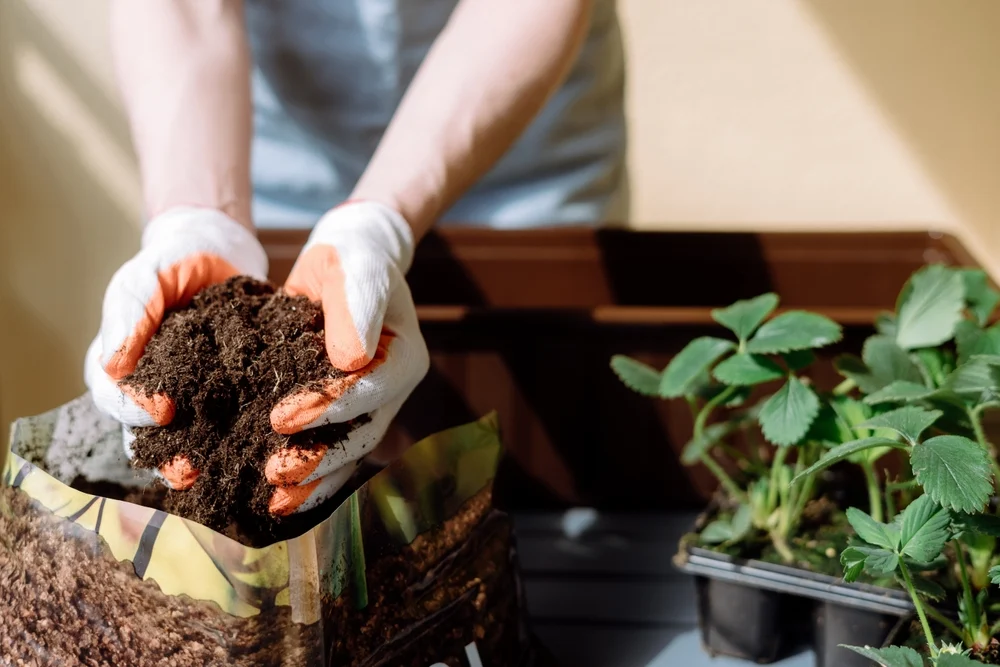
Feeding their plants is something most gardeners think about. Smart gardeners think about feeding their soil first.
This is the one huge change of mindset about gardening. And it changes everything.
Here’s why it matters: plants do not directly absorb food. They take in nutrients that microorganisms in the soil decompose and make available. Healthy soil is full of billions of bacteria, fungi and other tiny creatures that are at it all the time.
When your soil is alive, your plants grow fast. When your soil is dead or depleted, your plants aren’t going to thrive — no matter how much fertilizer you put on.
What Healthy Soil Really Looks Like
Good garden soil is a dark, vibrant color. It smells like the earth — or even a forest floor. It crumbles in your hand and doesn’t ball up into hard chunks. And you may see earthworms — that’s an ideal indicator.
Poor soil is pale. You’re likely to find it hard or sandy, and there’s not much going on beneath the surface.
How to Quickly Wake Up Your Soil
Compost is the speediest growth booster for soil health. It adds organic matter, feeds vital microbes, and improves soil structure all at the same time. Dig in a 2–3 inch layer each season.
Worm castings are a super-concentrated option. A small quantity goes a long way. Mix into planting holes or sprinkle around established plants.
Mycorrhizal fungi products sound complex, but they’re simple. These fungi bind to plant roots, expanding their capacity to absorb moisture and nutrients dramatically. Add at the time of planting for a significant advantage.
Soil Health Quick-Check Table
| Sign | What It Means |
|---|---|
| Dark, crumbly texture | Healthy, rich in organic matter |
| Pale, dusty appearance | Nutrient-deficient, needs compost |
| Hard, compacted surface | Poor aeration, roots can’t spread |
| Lots of earthworms | Excellent biological activity |
| Foul or sour smell | Waterlogged, anaerobic conditions |
| Strong earthy smell | Healthy microbial activity |
Fix the soil first. Everything else becomes easier after that.
Booster #2 — Master the Nitrogen-Phosphorus-Potassium Game
Every bag of fertilizer has three numbers on it. Something like 10-10-10 or 5-10-5. These numbers represent nitrogen (N), phosphorus (P) and potassium (K) — the three primary nutrients plants need.
Each of these nutrients has a very specific job. When you match the right nutrient to the right growth stage, plants respond with noticeably faster, healthier growth.
What Each Nutrient Does
Nitrogen (N) — The green machine. Nitrogen drives leafy, vegetative growth. It’s responsible for rich, dark green leaves and rapid upward growth. Use nitrogen-heavy fertilizers early in the season when plants are building their structure.
Best sources: blood meal, fish emulsion, composted manure, high-N synthetic fertilizers.
Phosphorus (P) — The root and bloom builder. Phosphorus promotes healthy root development and produces flowers and fruit. It’s the nutrient that transforms a lanky seedling into a well-rooted, flowering plant.
Best sources: bone meal, rock phosphate, superphosphate.
Potassium (K) — The all-round strengthener. Potassium contributes to overall plant health, fortifies cell walls and provides disease resistance while enabling plants to withstand stresses such as heat and drought.
Best sources: wood ash, kelp meal, potassium sulfate.
The Right Nutrient at the Right Time
| Growth Stage | Focus Nutrient | Example Fertilizer |
|---|---|---|
| Seedling / Early growth | Nitrogen | Fish emulsion, 10-5-5 |
| Transplanting | Phosphorus | Bone meal, starter fertilizer |
| Vegetative growth | Nitrogen + Potassium | Balanced 10-10-10 |
| Pre-flowering | Phosphorus | Bloom booster, 5-10-5 |
| Fruiting / Flowering | Potassium | Kelp, 5-5-10 |
| Late season | Reduce all | Let plants wind down naturally |
Get the nutrient right for the growth stage and you will see a noticeable difference in speed and vigour within a few weeks.
Booster #3 — Water with Intention (Timing and Technique Matter)

Water is a plant’s primary requirement. And yet watering is the aspect where most gardeners go wrong — not by not watering, but by watering incorrectly.
Too much water suffocates roots and encourages disease. Too little results in drought stress that slows growth. Even when you water matters in how quickly things grow.
The Best Time to Water
Early morning is the ideal time. Watering early allows plants to get moisture before the heat of the day. It also dries foliage so you’re less likely to get fungal diseases.
Watering in the evening is second best — cooler temps result in less evaporation. But damp foliage overnight welcomes mildew and rot.
Midday watering not only wastes water through evaporation, it may also scorch leaves. Avoid it when possible.
Deep Watering vs. Shallow Watering
This is a change most people never consider.
Shallow watering — a quick sprinkle every day — encourages roots to remain at the surface. Surface roots are susceptible to heat and dry spells. The plant stays weak and dependent.
Deep watering — saturating the soil thoroughly every few days — teaches roots to dig deep for moisture. Deep roots are tougher, hold the plant more securely and reach out for additional nutrients. The plant becomes stronger and grows faster.
Water slowly and deeply. Let the water soak in instead of running off. Then water again only when the top inch of soil is dry.
Watering Upgrades That Make Growth Pay Off Fast
Drip irrigation targets water at the root zone, which minimizes evaporation and keeps foliage dry. Plants watered with drip systems consistently outshine those receiving sprinkler or hose watering.
Mulching is the water-efficiency secret weapon. A 2–3 inch layer of mulch over the soil surface retains moisture, keeps roots cool and reduces watering by as much as 50%.
| Watering Method | Efficiency | Best For |
|---|---|---|
| Hand watering (can) | Low–Medium | Small containers, seedlings |
| Garden hose | Medium | General beds and borders |
| Sprinkler | Medium (high evaporation) | Lawns, large open areas |
| Drip irrigation | High | Vegetables, established beds |
| Self-watering containers | High | Balconies, patios, busy gardeners |
| Soaker hose | High | Rows of vegetables and flowers |
If you’re gardening on a balcony or in a small outdoor space, Small Balcony Garden is packed with smart container and watering ideas perfectly suited to compact growing spaces.
Booster #4 — Light Optimization: No More Guessing, Only Placement
Sunlight is the main source of food for a plant. Through photosynthesis, plants transform sunlight into the energy they use to grow. More quality light usually means faster, stronger growth — but only when matched to the right plant.
Many gardeners underestimate how much placement within available sunlight affects growth speed. Moving a full-sun plant from a half-shady spot into the sun can double its growth rate within weeks.
Know Your Light Zones
Assess the light conditions in your garden honestly before placing any plant.
Full sun: 6+ hours of direct sunlight daily. Required for most vegetables, roses, lavender and herbs.
Partial sun / Partial shade: 3–6 hours of sun. Good for many flowers, some vegetables like lettuce and most leafy greens.
Full shade: Less than 3 hours of direct sun. Only suitable for shade-loving plants such as ferns, hostas and impatiens.
Placing a full-sun plant in partial shade will not just slow its growth — it may completely prevent flowering and leave the plant permanently weak.
How to Maximize Sunlight for Quicker Growth
Track the sun across your space. Spend one full day noting which spots are sunny at 9am, noon and 3pm. This one exercise can salvage an entire season of struggling plants.
Use reflective surfaces. White walls, light-colored fences and even aluminum foil mulch reflect sunlight back onto plants. In tight spaces, this can meaningfully increase the light plants receive.
Rotate containers. Rotate potted plants a quarter turn every week. This allows even light on all sides of the plant and helps avoid lopsided growth.
Prune for light penetration. Dense plants shade their own lower leaves. Light pruning opens up the canopy and lets light reach more of the plant.
Sunlight Needs by Plant Category
| Plant Category | Sunlight Need | Hours Required |
|---|---|---|
| Tomatoes | Full sun | 8–10 hours |
| Peppers | Full sun | 6–8 hours |
| Lettuce / Spinach | Partial shade | 3–5 hours |
| Basil | Full sun | 6–8 hours |
| Roses | Full sun | 6+ hours |
| Ferns | Full shade | 1–3 hours |
| Hostas | Partial–Full shade | 2–4 hours |
| Lavender | Full sun | 6–8 hours |
Booster #5 — Pruning, Pinching and Deadheading for Explosive Growth
This booster is one that many beginners find surprising. The concept of cutting your plant to make it grow faster seems counterintuitive.
But it works. Consistently and dramatically.
When you remove certain parts of a plant — dead flowers, weak stems, crowded branches — you redirect the plant’s energy toward stronger, more productive growth. Rather than wasting resources on dying flowers or crowded branches, the plant devotes everything to new growth, larger blooms and better fruit.
Deadheading — The Easiest Growth Hack
Deadheading means removing spent (dead or dying) flowers from a plant.
When a flower dies naturally, the plant redirects its energy to seed production. That’s the biological aim of the plant — reproduction. Many plants slow down or stop blooming entirely once seeds have set.
By deadheading regularly, you interrupt that process. The plant keeps attempting to flower because it hasn’t successfully set seed. The result is continuous blooming throughout the season.
This works brilliantly for: petunias, roses, marigolds, cosmos, zinnias, dahlias and most annual flowers.
How to do it: Snip or pinch off the faded flower just above the first set of healthy leaves below it. Do this every few days during peak season.
Pinching — For Bushier, Faster-Growing Plants
Pinching means removing the growing tip of a young plant — the top inch or two of the main stem.
It may sound counterintuitive, but removing the top growth breaks the plant’s apical dominance. Instead of continuing to grow upward as one main stem, the plant suddenly sprouts two or more side shoots. Those side shoots branch again, resulting in a much bushier, fuller plant with more flowering points.
Pinching works especially well on: basil, petunias, coleus, snapdragons, chrysanthemums and young vegetable seedlings like tomatoes.
When to pinch: Do it when the plant has 3–4 sets of leaves and looks tall and leggy. Pinch regularly throughout the season for continuous bushy growth.
Pruning Vegetables — A Different Kind of Boost
For fruiting vegetables such as tomatoes, targeted pruning can dramatically boost both yield and ripening speed.
Removing suckers from indeterminate tomatoes (the small shoots that grow at the joint between the main stem and a branch) keeps the plant focused on making fruit rather than endless foliage.
Cutting back struggling branches removes disease and redirects energy to healthy growth.
Pruning Impact on Plant Growth
| Technique | Best For | Result |
|---|---|---|
| Deadheading | Annual flowers | Continuous blooming |
| Pinching | Herbs, annuals | Bushier, fuller plants |
| Sucker removal | Tomatoes | Larger, faster-ripening fruit |
| Hard pruning | Shrubs, roses | Strong new growth the following season |
| Light thinning | Fruit trees, dense shrubs | Better light penetration, more fruit |
Booster #6 — Growth Stimulants That Science Actually Supports
The gardening market is full of products claiming to boost growth. Most of them are hype. But a handful genuinely work and are backed by solid science.
These natural growth stimulants work by either feeding plants directly, improving root function or triggering the plant’s own growth mechanisms.
Seaweed Extract — Nature’s Growth Tonic
Seaweed extract is one of the most well-researched plant growth stimulants available. It contains natural plant hormones called cytokinins and auxins that stimulate cell division and root development. It also includes over 60 trace minerals that enhance overall plant health.
Using seaweed extract regularly produces results such as quicker germination, stronger root systems and enhanced resistance to drought and pests.
According to research published by the Royal Horticultural Society, organic liquid feeds like seaweed extract can meaningfully improve both root development and overall plant resilience throughout the growing season.
How to use it: Dilute liquid seaweed extract and apply as a foliar spray or soil drench every 2–3 weeks throughout the growing season.
Compost Tea — Liquid Biology for Your Soil
Compost tea is made by steeping compost in water and aerating it to multiply beneficial microorganisms. Poured around plant roots, it delivers a concentrated dose of beneficial bacteria and fungi directly to the soil.
Plants treated with compost tea grow noticeably faster, thanks in part to an immediate boost in nutrient availability from the microbes.
How to make a simple version: Fill a bucket with water (let it sit overnight to dechlorinate). Add a mesh bag of good compost. Run an aquarium air pump through it for 24–48 hours. Use within a few hours of finishing.
Epsom Salt — For Magnesium-Deficient Plants
Epsom salt (magnesium sulfate) is a cheap and popular growth booster. Magnesium is one of the building blocks of chlorophyll — the molecule plants use to photosynthesize. Plants need magnesium to make the most of sunlight.
Yellowing leaves with green veins is a textbook sign of magnesium deficiency. A diluted Epsom salt solution can correct this quickly and noticeably improve growth speed.
How to use it: Dissolve 1 tablespoon of Epsom salt in a gallon of water. Apply as a foliar spray or soil drench every 2–4 weeks. Works especially well on tomatoes, peppers and roses.
Hydrogen Peroxide — Oxygen Boost for Roots
A very diluted hydrogen peroxide solution (3% diluted to about 1 part per 32 parts water) adds oxygen to the soil when applied as a drench. Roots thrive in well-oxygenated conditions and grow significantly faster when oxygen is abundant.
This is especially helpful for seedlings and potted plants, where soil compaction can reduce oxygen availability over time.
Growth Stimulant Comparison
| Stimulant | Primary Benefit | How to Apply | Frequency |
|---|---|---|---|
| Seaweed extract | Root growth, stress resistance | Foliar spray or soil drench | Every 2–3 weeks |
| Compost tea | Soil biology, nutrient availability | Soil drench | Every 2–4 weeks |
| Epsom salt | Magnesium, chlorophyll production | Foliar spray or drench | Every 2–4 weeks |
| Mycorrhizal fungi | Root expansion, nutrient uptake | Mix into soil at planting | Once at planting |
| Worm castings | Slow nutrient release, soil health | Mix into soil or top-dress | Each season |
| Hydrogen peroxide | Root oxygenation | Diluted soil drench | Every 2–3 weeks |
The Six Fast Growth Boosters Working Together
The true power of these boosters comes when you combine all of them into a regular routine.
Here’s what a complete growth-boosting routine might look like throughout the season:
Spring — Setting the Foundation
- Add compost and worm castings to soil before planting ✓
- Add mycorrhizal fungi to planting holes ✓
- Mix balanced slow-release fertilizer into soil ✓
- Map sunlight zones and place plants strategically ✓
- Begin seaweed extract applications every 2–3 weeks ✓
Early Summer — Pushing Growth Hard
- Use nitrogen-forward fertilizer for leafy and vegetative growth ✓
- Water deeply every 2–3 days rather than shallowly every day ✓
- Apply mulch to retain moisture and moderate soil temperature ✓
- Begin pinching herbs and annual flowers for bushy growth ✓
- Start deadheading as earliest flowers fade ✓
Peak Summer — Maintaining Momentum
- Shift fertilizer toward phosphorus and potassium as plants flower and fruit ✓
- Continue seaweed extract and compost tea applications ✓
- Remove tomato suckers and prune for light penetration ✓
- Deadhead consistently to extend blooming ✓
- Apply Epsom salt drench to heavy feeders like tomatoes and peppers ✓
Late Summer and Fall — Winding Down Wisely
- Gradually reduce nitrogen feeding ✓
- Continue deadheading for more late-season blooms ✓
- Save seeds from open-pollinated plants for next year ✓
- Add compost back to beds as plants finish ✓
FAQs About Fast Growth Boosters
Q: What is the single fastest way to boost plant growth? A: Improving soil health with compost and making sure you’re giving your plants the correct nutrient for their stage of growth will produce the most visible results in the shortest time. Add in deep, consistent watering and you’ll see a difference within weeks.
Q: Can I use all 6 growth boosters at the same time? A: Yes — and they’re most effective together. These boosters are complementary, not competing. Just avoid overfertilizing. More fertilizer isn’t always better. Stick to recommended amounts.
Q: Are fast growth boosters good for container plants too? A: Absolutely. Container plants actually benefit even more from regular boosting since nutrients leach out of pots faster than garden beds. Regular doses of seaweed extract, liquid fertilizer and compost top-dressing are especially important for containers.
Q: How soon will I see results after applying growth boosters? A: Some results are visible within days — particularly with foliar sprays and liquid fertilizers. Soil amendments like compost show results more gradually over several weeks. Root stimulants like mycorrhizal fungi pay off most over a full season.
Q: Are these growth stimulants safe for edible plants? A: Yes. All of the boosters mentioned — seaweed extract, compost tea, Epsom salt, worm castings and mycorrhizal fungi — are safe and widely used on edible crops. Always follow dilution instructions.
Q: Is Epsom salt safe to use on all plants? A: It’s safe for most plants but use it sparingly. Some soils are already high in magnesium, and over-application can disrupt nutrient balance. Test your soil if you’re unsure, or apply every 3–4 weeks rather than more frequently.
Q: Can I make my own growth boosters at home? A: Yes! Compost tea, banana peel fertilizer, compost and even diluted nettle tea are all effective homemade growth boosters. They’re inexpensive, natural and genuinely effective.
Final Thoughts
There is nothing quite like watching your plants grow quickly and robustly. And it’s not luck. It isn’t simply a “green thumb.” It’s knowledge, applied consistently.
The 6 fast growth boosters in this guide — feeding your soil, mastering NPK nutrition, watering correctly, optimizing sunlight, pruning and deadheading strategically, and using science-backed stimulants — give you everything you need to take your garden from average to exceptional.
None of this requires an expensive budget. Most of it is just about paying closer attention to what your plants really need, and then responding accordingly.
Start with one or two boosters this season. Build the habits. Then layer in more as you go. Within a single growing season, the difference will be visible and genuinely exciting.
Your plants are ready to burst with growth. Give them the tools to do it.
Happy growing — your biggest and best garden ever is already within reach.