Most people assume that when the temperature drops, gardening does too. They put away their tools, make their beds, and wait for spring.
But experienced gardeners know this: winter is one of the best times to grow vegetables.
A cold garden doesn’t have to be a barren one. The right vegetables aren’t just surviving the frost. They actually become sweeter, tastier, and more nutritious as temperatures drop.
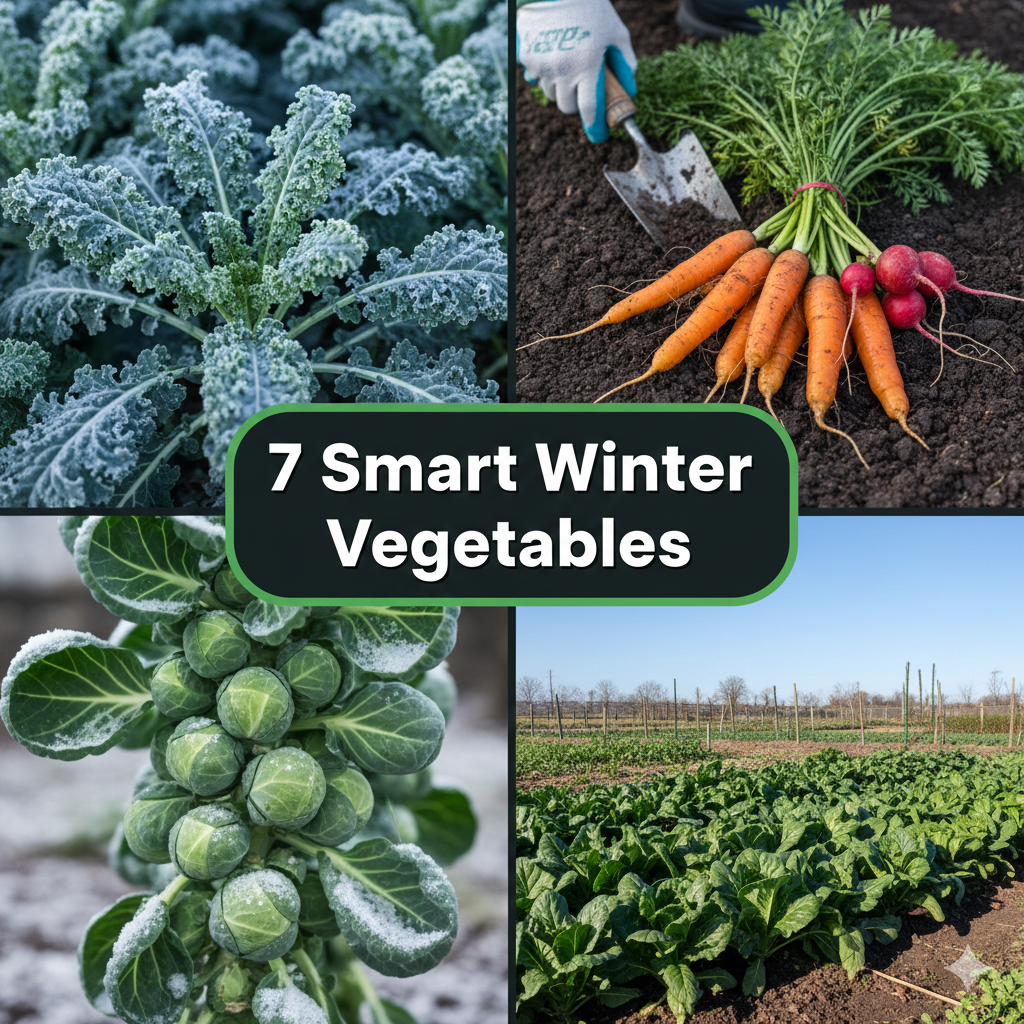
This guide features 7 smart winter vegetables that are easy to grow, incredibly nutritious, and genuinely delicious. Whether you’re a master gardener or a complete novice, these cold-weather crops will fill your garden — and your dinner table — all season long.
Let’s dig in.
Why You Should Grow Winter Vegetables
Before diving into the list, let’s talk about what makes winter vegetables so special.
In colder months, most people rely on the grocery store. But fresh, homegrown winter produce is on a completely different level. It’s a lot cheaper, a whole lot tastier, and far more nutritious than anything that has spent weeks sitting in a cold storage facility.
There’s a little science behind why cold-weather vegetables taste so good, too. Many of them convert stored starches into sugars when exposed to frost. That’s why a kale leaf harvested after the first frost tastes sweeter than one picked in summer. The cold is actually doing the flavoring for you.
And in practical terms — fewer pests, less watering, and lower maintenance. In many ways, winter gardening is almost easier.
At a Glance: All 7 Winter Vegetables
Before diving into the details of each one, here’s a quick overview of what to expect:
| # | Vegetable | Cold Tolerance | Flavor After Frost | Difficulty to Grow |
|---|---|---|---|---|
| 1 | Kale | Extremely High | Much Sweeter | Easy |
| 2 | Brussels Sprouts | Very High | Nuttier, Sweeter | Medium |
| 3 | Carrots | High | Sweeter | Easy |
| 4 | Spinach | High | Mild, Earthy | Easy |
| 5 | Leeks | Very High | Mellow, Rich | Medium |
| 6 | Turnips | High | Sweeter | Easy |
| 7 | Parsnips | Extremely High | Honey-Sweet | Medium |
Now let’s take a closer look at each one.
1. Kale — The King of Cold-Weather Crops
If any vegetable was made for winter, it’s kale.
Kale can endure temperatures as low as 10°F (-12°C). It doesn’t merely withstand frost — it actually gets better for it. The cold initiates a chemical process that converts the plant’s starches into natural sugars. The result is sweeter, more tender leaves than anything you’ll find in a summer garden.
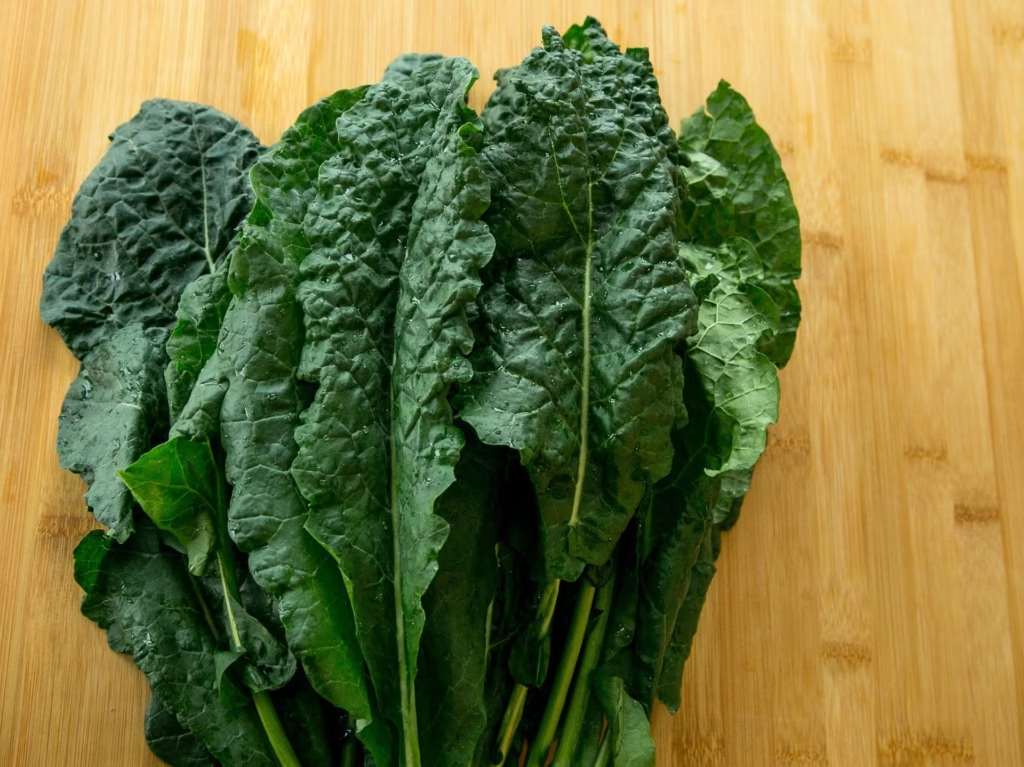
All the Reasons Kale Belongs in Every Winter Garden
Kale is one of the most nutrient-dense foods available. One cup of raw kale contains:
- Over 100% of your daily vitamin K
- More than 200% of your daily vitamin A
- A solid dose of vitamin C, calcium, and iron
All of that in a plant that nearly takes care of itself when the weather turns cold.
How to Grow Kale in Winter
Kale is very forgiving. Here’s what it needs:
- Soil: Well-drained, slightly fertile soil
- Sunlight: At least 6 hours per day, though it tolerates partial shade
- Watering: Minimal in winter — once or twice a week at most
- Spacing: Approximately 18 inches between plants
Start seeds indoors 6 to 8 weeks before the first expected frost. Or plant transplants directly in early fall. Once established, kale nearly manages itself.
Best Kale Varieties for Winter
| Variety | Leaf Type | Cold Hardiness | Best Use |
|---|---|---|---|
| Winterbor | Curly | Excellent | Salads, stir-fries |
| Lacinato (Dinosaur) | Flat, dark | Very Good | Soups, roasting |
| Red Russian | Serrated, reddish | Good | Raw salads |
| Siberian | Broad, smooth | Outstanding | All-purpose |
For cold climates, Siberian kale is especially recommended. It can tolerate brutal winters and continues producing leaves well into the season.
2. Brussels Sprouts — Slow to Grow, Worth Every Day
Brussels sprouts have a reputation problem. Many people claim to dislike them. Most of those people have never tasted a properly grown, frost-kissed Brussels sprout.
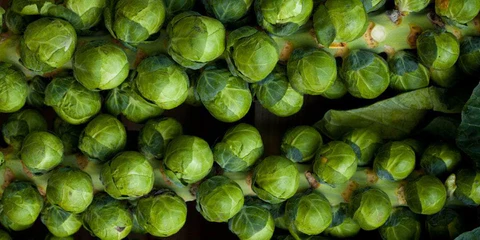
Once the cold hits, Brussels sprouts become nutty, slightly sweet, and deeply satisfying. They’re a completely different vegetable from the one you pull out of a freezer bag.
The Frost Effect on Brussels Sprouts
The same frost-to-sugar transformation that works so well for kale also makes Brussels sprouts shine. Chefs and gardeners intentionally leave them on the stalk until after at least one hard frost for maximum flavor. If you’ve been growing or eating them before frost, you’ve been missing out.
Growing Brussels Sprouts the Right Way
Brussels sprouts are a long-season crop. That’s the one catch. They take 80 to 100 days to mature. So timing is everything.
- Plant: Sow seeds indoors 12 to 14 weeks before the first expected frost
- Transplant: Move outside 6 to 8 weeks before frost
- Spacing: 24 inches apart — they get big
- Feeding: They’re heavy feeders. Use a balanced fertilizer every 3 to 4 weeks
The wait is absolutely worth it. Once they’re ready, you can harvest individual sprouts from the bottom of the stalk upward as you need them.
Brussels Sprouts Nutrition at a Glance
| Nutrient | Per 1 Cup (Cooked) | % Daily Value |
|---|---|---|
| Vitamin C | 97 mg | 107% |
| Vitamin K | 219 mcg | 182% |
| Folate | 94 mcg | 24% |
| Fiber | 4g | 14% |
| Protein | 4g | 8% |
3. Carrots — Sweeter Underground When It’s Cold Above
Carrots are a brilliant winter vegetable for one simple reason — they stay fresh in the ground. You don’t even have to harvest them all at once. Just pull them as you need them, right through winter.
And just like kale and Brussels sprouts, cold temperatures make carrots sweeter. The frost triggers that same starch-to-sugar conversion, giving winter carrots a flavor that spring and summer carrots simply can’t match.
Growing Carrots for a Winter Harvest
The key to winter carrots is timing your planting right.
- Sow seeds: 10 to 12 weeks before the first expected frost
- Soil: Loose, deep, and stone-free — carrots need room to grow straight down
- Depth: Plant seeds just ¼ inch deep
- Thinning: Thin seedlings to 3 inches apart once they sprout
In very cold climates, cover the bed with a thick layer of straw mulch or use a cold frame. This insulates the soil and keeps the carrots accessible even when the ground surface freezes.
Top Winter Carrot Varieties
Chantenay — Short and stocky. Great for heavy or clay soil. Nantes — Smooth and sweet. One of the most popular for home gardens. Imperator — Long and slender. Needs deep, loose soil. Danvers — Very cold-hardy. Excellent for late harvests.
For pure sweetness after a frost, Nantes and Danvers are hard to beat.
4. Spinach — The Fastest Growing Winter Vegetable
If you want the quickest return in a winter garden, spinach is it. It germinates fast, grows fast, and is ready to harvest in as little as 30 to 40 days.
Spinach handles cold beautifully. It can survive temperatures down to 20°F (-6°C) without protection, and even lower with a simple cold frame or row cover.
What Makes Spinach So Valuable in Winter
Beyond speed, spinach is extraordinarily nutritious. It’s packed with iron, folate, vitamin A, vitamin C, and magnesium. It’s one of the most nutrient-dense vegetables per calorie of anything you can grow.
It also pairs with almost everything — salads, soups, pasta, eggs, smoothies. Versatility is one of its greatest virtues.
Growing Spinach in Cold Weather
- Sow seeds: Direct sow 4 to 6 weeks before the first frost, or in early spring
- Soil: Rich, moist, well-drained soil with a neutral pH
- Spacing: 6 inches between plants
- Light: Tolerates partial shade — useful in winter when sunlight is limited
Sow new seeds every 2 to 3 weeks for a continuous harvest. This technique is called succession planting, and it guarantees an ongoing supply of fresh spinach.
Spinach Growing Timeline
| Stage | Timeframe |
|---|---|
| Germination | 7 – 14 days |
| First true leaves | 2 – 3 weeks |
| Ready to harvest | 30 – 45 days |
| Peak flavor period | After light frost |
5. Leeks — The Unsung Winter All-Star
Leeks don’t get nearly enough attention. They’re incredibly hardy, incredibly versatile, and one of the best smart winter vegetables you can grow.
Unlike onions, leeks don’t form a bulb. You eat the long, thick stem. The flavor is milder than onion — gently sweet, with a deep savory richness when cooked. They shine in soups, stews, gratins, and pasta dishes.
Just How Cold-Hardy Are Leeks?
Very. Some varieties can survive temperatures as low as 0°F (-18°C). They stand upright in frozen ground, looking completely unfazed while everything around them dies back.
This makes leeks one of the most reliable crops for gardeners in cold climates. You can harvest them all the way through winter and into early spring.
How to Grow Leeks Successfully
Leeks are a long-season crop, similar to Brussels sprouts. Start early.
- Start seeds indoors: 10 to 12 weeks before transplanting
- Transplant outside: Early fall, once plants are pencil-thick
- Plant depth: Dig a 6-inch trench and plant leeks at the bottom — this blanches the stem and keeps it white and tender
- Spacing: 6 inches apart in rows 12 inches apart
As the leeks grow, gradually fill in the trench with soil. This process, called “hilling,” keeps more of the stem white and mild-flavored.
Best Leek Varieties for Winter
| Variety | Hardiness | Harvest Season | Notes |
|---|---|---|---|
| Bandit | Outstanding | Late winter | Very thick stems |
| King Richard | Good | Early winter | Fast maturing |
| Musselburgh | Excellent | Mid to late winter | Classic, reliable |
| Blue Solaise | Outstanding | Deep winter | Turns blue-green in cold |
6. Turnips — Fast, Hardy, and Doubly Useful
Turnips are one of the most underappreciated vegetables in the winter garden. They grow fast — often ready in just 35 to 60 days. They’re extremely cold-tolerant. And they give you two crops in one: the root and the greens.
Young turnip greens are tender, slightly peppery, and delicious sautéed with garlic or stirred into soups. The roots — especially after a frost — develop a sweeter, more mellow flavor than their summer counterparts.
Turnips as a Dual-Purpose Crop
Most gardeners focus only on the root. But the greens are equally valuable — nutritionally and culinarily.
Turnip greens are rich in vitamins A, C, and K, and they cook down beautifully with olive oil and a pinch of salt. Harvest the outer leaves while the root continues to grow. It’s one of the most productive plants you can add to a winter garden.
Growing Turnips in Winter
- Sow seeds: Direct sow 2 to 3 months before the first hard frost
- Soil: Loose, fertile, well-drained
- Spacing: Thin to 4 to 6 inches apart
- Depth: Plant seeds ½ inch deep
Turnips prefer cooler soil for germination. They actually struggle in summer heat, which makes them perfectly suited for fall planting and winter harvesting.
Turnip vs. Parsnip — Quick Comparison
| Feature | Turnip | Parsnip |
|---|---|---|
| Days to Harvest | 35 – 60 | 100 – 130 |
| Frost Flavor Boost | Moderate | Very Strong |
| Edible Greens | Yes | No |
| Cold Tolerance | High | Extremely High |
| Best Use | Roasting, soups, raw | Roasting, mash, soups |
7. Parsnips — The Sweetest Reward of the Winter Garden
Parsnips are the hidden gem of smart winter vegetables. They look like pale carrots, but their flavor is something else entirely — deeply sweet, slightly nutty, with an earthy warmth that makes them absolutely perfect for roasting.
The best part? Parsnips are at their absolute peak flavor after multiple hard frosts. In fact, many gardeners deliberately leave them in the ground until January or February. The longer the cold, the sweeter the root.
Why Parsnips Need Patience
Parsnips are slow — up to 130 days to maturity. They also germinate slowly. This is where most first-time growers get frustrated and give up.
But if you time your planting right and give them room to breathe, parsnips reward you with one of the most extraordinary flavors in the entire vegetable garden.
How to Grow Parsnips
- Sow seeds: Direct sow in early spring or early summer for a winter harvest
- Germination: Can take 2 to 3 weeks — be patient
- Soil: Deep, loose, stone-free (same as carrots)
- Spacing: Thin to 6 inches apart
- Light: Full sun preferred
Use fresh seeds every year. Parsnip seeds lose viability quickly. Old seeds often simply won’t germinate.
Parsnip Nutrition Facts
| Nutrient | Per 1 Cup (Cooked) | Notes |
|---|---|---|
| Calories | 111 | Low calorie, filling |
| Fiber | 5.6g | Great for digestion |
| Vitamin C | 23 mg | 26% daily value |
| Folate | 90 mcg | Important for cell health |
| Potassium | 573 mg | Supports heart health |
Parsnips will become your new favorite if you love roasted vegetables. Toss with olive oil, salt, and a drizzle of honey. Roast at 400°F until caramelized at the edges. That’s all they need.
Growing All 7 Together — A Simple Winter Garden Plan
You don’t need a huge space to grow all of these. A raised bed measuring just 4 x 8 feet can hold a productive mix of winter crops.
Here’s a simple planting layout:
| Section | Crop | Spacing | Notes |
|---|---|---|---|
| Back row | Brussels Sprouts | 24″ each | Tallest — plant at back |
| Middle row | Leeks | 6″ each | Can plant in a trench |
| Second middle | Kale | 18″ each | Spreads wide |
| Front row | Spinach | 6″ each | Quickest growing |
| Side bed | Carrots | 3″ each | Needs deep, loose soil |
| Side bed | Parsnips | 6″ each | Plant early spring |
| Pots or edges | Turnips | 4″ each | Great in containers too |
Even if you only have a balcony or a small patio, containers work well for spinach, kale, and turnips. For more inspiration on growing vegetables in compact outdoor spaces, Small Balcony Garden is a brilliant resource packed with practical ideas for making the most of every square foot.
Practical Winter Vegetable Care Tips That Really Work
Growing these crops is straightforward, but a few simple habits will make a big difference in your harvest.
Use mulch generously. A 2 to 3 inch layer of straw, shredded leaves, or wood chips insulates the soil, keeps roots from freezing solid, and retains moisture. It’s one of the single most effective things you can do for a winter garden.
Consider a cold frame or row covers. These simple, low-cost structures extend your growing season significantly. Row covers can add 4 to 8 degrees of warmth, which matters enormously in borderline climates.
Water less, but don’t stop entirely. Winter plants need less water than summer crops. But they still need some. Check the soil every few days and water when the top inch feels dry.
Harvest regularly. Regular harvesting encourages plants like kale and spinach to keep producing new growth. Don’t let leaves get old and tough on the plant.
According to the RHS (Royal Horticultural Society), winter vegetables grown in well-prepared soil with proper mulching consistently outperform those left unprotected — with significantly better yields and flavor.
Frequently Asked Questions About Smart Winter Vegetables
Q: What is the easiest winter vegetable to grow for beginners? Spinach and kale are both excellent starting points. They germinate quickly, require minimal care, and are very forgiving of beginner mistakes. Spinach is especially fast — you can be harvesting in as little as 30 days.
Q: Do I need a greenhouse to grow winter vegetables? No. Most of the vegetables on this list grow perfectly well outdoors in the ground or in raised beds. A simple cold frame or row cover provides enough protection in most climates. A full greenhouse is not necessary.
Q: When should I start planting winter vegetables? For most winter crops, the critical window is late summer to early fall — typically August through October depending on your climate. Crops like parsnips and Brussels sprouts need to go in even earlier because of their long growing seasons.
Q: Can I grow winter vegetables in containers? Absolutely. Spinach, kale, and turnips all grow well in containers. Use a pot at least 12 inches deep and wide, quality potting mix, and place containers in a spot that gets good light. Move pots to a sheltered area during extreme cold snaps.
Q: Why do vegetables taste sweeter after frost? When temperatures drop, many vegetables convert their stored starches into sugars as a natural anti-freeze mechanism. This process — called cold sweetening — gives frost-exposed vegetables a noticeably sweeter, more complex flavor. Carrots, parsnips, kale, and Brussels sprouts all benefit significantly from this effect.
Q: How do I know when winter vegetables are ready to harvest? Each vegetable has its own signals. Kale leaves should be dark green and firm, about the size of your hand. Carrots are ready when the shoulder (top of the root) is about ¾ inch wide. Brussels sprouts are ready when the individual buds are firm and about 1 inch across. Parsnips can be left in the ground until needed — the cold only improves them.
Q: Are winter vegetables as nutritious as summer vegetables? Yes — and in many cases, even more so. The frost-triggered sugar conversion also tends to concentrate other nutrients. Freshly harvested homegrown winter vegetables are far more nutritious than store-bought produce that has been sitting in cold storage for weeks.
Bringing It All Together
Winter doesn’t have to mean an empty garden and flavorless meals.
These 7 smart winter vegetables — kale, Brussels sprouts, carrots, spinach, leeks, turnips, and parsnips — are hardy, nutritious, and genuinely delicious. Many of them produce their best flavor not despite the cold, but because of it.
You don’t need a lot of space. You don’t need expensive equipment. You just need the right plants, the right timing, and a little patience.
Start with one or two crops this season. See how they perform. Then expand from there.
A winter garden isn’t just possible — it might end up being your favorite one yet.