You water your plants. You give them sunlight. But for some reason they still feel a little… wrong.
Pale leaves. Slow growth. Flowers that never really arrive.
Often the missing key is fertilizer — and more precisely, how you apply it.
Fertilizing your plants and expecting the best hardly ever works. In fact, doing it incorrectly can make things worse. But if you learn the right fertilizer tricks and use them at the right times, the difference can be stunning.
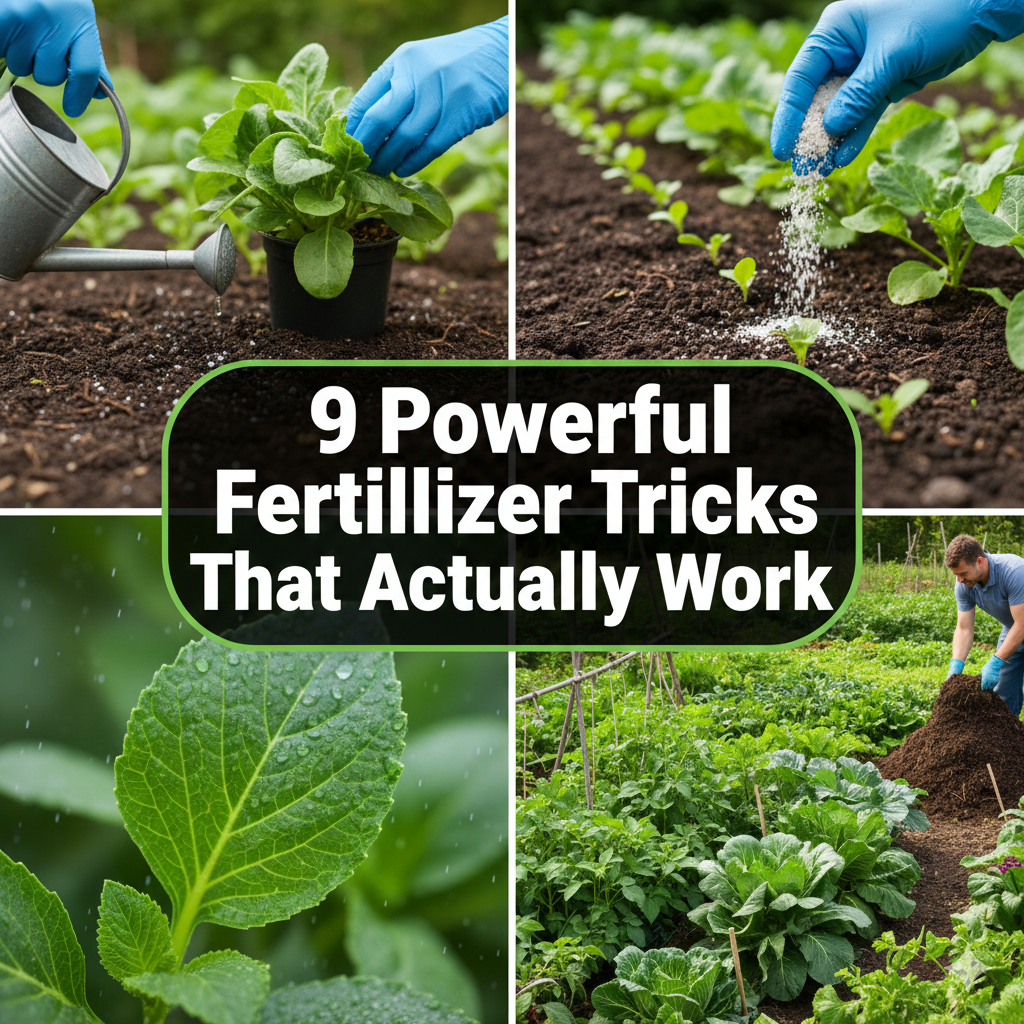
This guide contains 9 powerful fertilizer tricks that are easy, practical, and learned from actual experience in the garden. These tips will help you feed your plants smarter — not harder — whether you’re growing vegetables, flowers, or houseplants.
Let’s get into it.
First, A Word About What Fertilizer Actually Does
A brief foundation before the tricks.
Plants make their own food through photosynthesis. But in order to do that — and to grow roots, flowers, and fruit — they need minerals from the soil. Soil loses those minerals over time. That’s where fertilizer comes in.
Every fertilizer contains three major nutrients:
| Nutrient | Symbol | What It Does |
|---|---|---|
| Nitrogen | N | Grows green leaves and stems |
| Phosphorus | P | Builds strong roots and flowers |
| Potassium | K | Boosts overall health and disease resistance |
You will see these as three numbers on every bag of fertilizer — like 10-10-10 or 5-10-5. That’s the N-P-K ratio. More about how to use this in a minute.
Now keep reading for the 9 fertilizer tricks that will transform your gardening.
Trick 1 — How to Read the N-P-K Ratio Like a Pro
Those three numbers on the fertilizer bag are ignored by most gardeners. That’s a big mistake.
The N-P-K ratio tells you precisely what a fertilizer is meant to achieve. When you learn how to read it, you can select the right product for every plant and at every stage of growth.
Match the Ratio to the Goal
Here’s a simple breakdown:
| Goal | Best N-P-K Focus | Example Ratio |
|---|---|---|
| Leafy growth (herbs, spinach) | High N | 20-10-10 |
| Root development | High P | 5-20-10 |
| Flowering & fruiting | High K | 5-10-20 |
| All-purpose / general feeding | Balanced | 10-10-10 |
| Lawn greening | Very high N | 30-0-4 |
A blooming tomato plant requires more potassium than nitrogen. Phosphorus is essential for a seedling that’s just getting started — it builds strong roots. A leafy vegetable like lettuce wants nitrogen above all else.
Stop grabbing whatever’s on sale. Match the ratio to what your plant actually needs right now.
Trick 2 — Feed Your Plants on a Schedule, Not a Whim
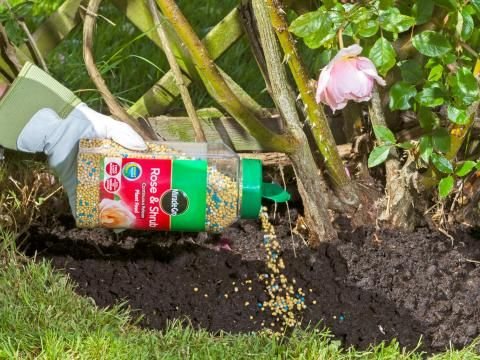
Feeding plants randomly — whenever you think of it — is one of the most common fertilizer mistakes.
Plants thrive on consistency. Their growth cycles are stable, and their nutrient needs follow a regularity. Feeding on a schedule means your plants always have what they need when they need it.
A Basic Fertilizing Schedule to Follow
| Plant Type | How Often to Fertilize | Best Time of Year |
|---|---|---|
| Vegetables | Every 2–3 weeks | Spring through late summer |
| Flowering annuals | Every 2 weeks | During blooming season |
| Perennials | Once a month | Spring and summer |
| Houseplants | Once a month | Spring through fall |
| Houseplants (winter) | Every 6–8 weeks | Fall through winter |
| Fruit trees | 3–4 times per year | Early spring, summer, fall |
| Lawns | Every 6–8 weeks | Growing season |
Set a reminder on your phone. Mark it on a calendar. Make it a habit — just like watering.
One extra tip: always fertilize after watering, never before. Dry soil can cause fertilizer to burn the roots. Moist soil carries nutrients down to where roots can actually reach them.
Trick 3 — Go Slow-Release for Low-Effort, Long-Term Results
If you’re looking for good results and don’t want to stay on a constant schedule, slow-release fertilizer is your best friend.
Slow-release fertilizers are granules or pellets that break down gradually over weeks or months. You apply them once, and they keep feeding your plants in the background.
Slow-Release vs. Quick-Release — What’s the Difference?
| Feature | Slow-Release | Quick-Release |
|---|---|---|
| How fast it works | Weeks to months | Hours to days |
| Application frequency | Every 3–6 months | Every 1–4 weeks |
| Risk of over-fertilizing | Low | Higher |
| Best for | Busy gardeners, trees, shrubs | Fast fixes, heavy feeders |
| Cost | Usually higher | Usually lower |
Slow-release fertilizers work great for trees, shrubs, container plants, and anyone not interested in repeated fertilizer applications. They’re harder to over-apply, which makes them much safer for beginners.
A great use: work slow-release granules into your soil mix at planting time. Your plants will be nourished for months before you ever need to think about it again.
Trick 4 — Use Liquid Fertilizer for a Fast Growth Boost
Sometimes your plants need help right now. Maybe a plant looks yellowish and frail. Maybe you’re approaching peak growing season and want to kick everything up a notch.
That’s where liquid fertilizer finds its place.
Liquid fertilizers are diluted in water and applied directly to the soil — or even sprayed on leaves (called foliar feeding). Plants absorb them quickly, often showing results within days.
When Liquid Fertilizer Works Best
- A plant appears yellowed or nutrient-deficient
- Seedlings need a gentle early boost
- You want fast results before a bloom cycle
- Container plants that need frequent feeding
- After repotting, when roots need encouragement
How to Use It Safely
Always follow the label. Liquid fertilizers are easy to over-apply. When in doubt, use less than the recommended dose. A diluted feed given consistently is far better than a strong dose given once.
Half-strength liquid fertilizer, applied every two weeks, is a reliable routine for most flowering and fruiting plants.
Trick 5 — Don’t Ignore What Your Garden Soil Already Has
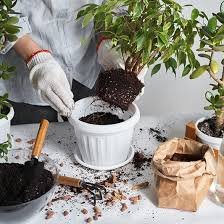
Here’s a fertilizer trick most people never bother with — and it can save you a lot of money and effort.
Before you add anything to your soil, find out what’s already in it.
A basic soil test costs very little and tells you exactly what nutrients are present, what’s missing, and what your soil’s pH is. Armed with that information, you stop guessing and start targeting.
What a Soil Test Tells You
| Test Result | What It Means | What to Do |
|---|---|---|
| Low nitrogen | Soil can’t support leafy growth | Add nitrogen-rich fertilizer or compost |
| Low phosphorus | Roots and flowers will struggle | Add bone meal or high-P fertilizer |
| Low potassium | Plants are vulnerable to disease | Add potash or wood ash |
| Low pH (acidic) | Nutrients get locked out of roots | Add garden lime |
| High pH (alkaline) | Iron and manganese become unavailable | Add sulfur or acidic compost |
Many gardeners apply fertilizer year after year without realizing their soil is actually deficient in just one or two specific nutrients. A soil test points you directly at the problem.
🔗 You can find soil test kits at most garden centers, or send a sample to your local agricultural extension office. For a detailed guide on how to interpret soil test results, the University of Minnesota Extension’s soil testing resource is a highly trusted reference.
Trick 6 — Compost Tea Is a Free Fertilizer You Can Make at Home
This is one of the most underrated fertilizer tricks in all of gardening.
Compost tea is exactly what it sounds like — compost steeped in water to create a nutrient-rich liquid that you can pour directly onto your plants or spray on leaves.
It costs almost nothing to make. It feeds your plants. And it also introduces beneficial microbes into the soil that help plants absorb nutrients more efficiently.
How to Make Basic Compost Tea
- Fill a bucket with water — let it sit overnight if it’s tap water, so chlorine evaporates
- Add a generous scoop of finished compost (about 1 part compost to 5 parts water)
- Let it steep for 24–48 hours, stirring occasionally
- Strain out the solid bits
- Use immediately — pour around the base of plants or spray on leaves
That’s it. Free fertilizer from scraps you were already making.
For an extra boost, add a tablespoon of unsulfured molasses before steeping. The molasses feeds the beneficial bacteria in the compost, making the final tea even more nutrient-dense.
💡 Homemade compost tea works especially well for container plants. For more smart container gardening ideas that make the most of limited growing space, visit Small Balcony Garden — a fantastic resource for balcony and small-space growers.
Trick 7 — Watch for Nutrient Deficiency Signs in Your Plants
Fertilizer tricks aren’t just about what you apply. They’re also about knowing when to apply it.
Your plants actually tell you when they’re running low on nutrients. You just need to know what to look for.
Plant Deficiency Symptoms — A Visual Guide
| Symptom | Likely Deficiency | Quick Fix |
|---|---|---|
| Pale yellow leaves (overall) | Nitrogen | Apply nitrogen-rich fertilizer |
| Purple-tinted leaves | Phosphorus | Add bone meal or high-P fertilizer |
| Brown leaf edges | Potassium | Apply potash or banana peel water |
| Yellowing between leaf veins | Iron or Magnesium | Use chelated iron or Epsom salt |
| Stunted growth, dark green leaves | Phosphorus lockout | Check soil pH first |
| Dropping lower leaves | Nitrogen deficiency | Feed with balanced liquid fertilizer |
Once you know these signs, you can respond quickly — before the problem gets worse.
One important note: always check soil moisture first. Overwatering can cause the exact same yellowing as nitrogen deficiency. Make sure the issue is actually nutrition-related before reaching for the fertilizer.
Trick 8 — Epsom Salt Is a Cheap Micronutrient Booster
You probably already have Epsom salt in your bathroom cabinet. And as it turns out, your garden loves it too.
Epsom salt is magnesium sulfate. Magnesium is a key part of chlorophyll — the green pigment that lets plants absorb sunlight and make food. Sulfur supports protein production and root health.
When soil is low in magnesium, plants develop yellowing between the veins of their leaves. A dose of Epsom salt fixes this fast.
How to Use Epsom Salt in the Garden
| Application | Mix | When to Use |
|---|---|---|
| Soil drench | 1 tbsp per gallon of water | Monthly during growing season |
| Foliar spray | 1 tsp per gallon of water | Every 2–4 weeks |
| At planting | 1 tbsp worked into planting hole | Before planting tomatoes, peppers, roses |
| Lawn treatment | 3 lbs per 1,250 sq ft | Early spring |
Tomatoes and peppers especially love magnesium. Many experienced gardeners add a tablespoon of Epsom salt to the planting hole before putting in seedlings. It gives roots a strong early start.
Don’t overdo it though. Epsom salt doesn’t replace a balanced fertilizer. It’s a supplement, not a primary feed.
Trick 9 — Know When to Stop Fertilizing
This might be the most overlooked fertilizer trick of all.
More fertilizer does not always mean better plants. In fact, fertilizing at the wrong time — or too much — can seriously harm your garden.
Over-fertilizing causes a condition called fertilizer burn. The excess salts in fertilizer draw moisture out of roots, causing wilting, brown leaf tips, and in severe cases, plant death.
And fertilizing too late in the season pushes plants to grow new soft tissue right before cold weather hits — making them extremely vulnerable to frost damage.
When to Pull Back on Fertilizing
- 6–8 weeks before the first expected frost — stop feeding all outdoor plants
- In winter — most plants are dormant and don’t need feeding
- When plants are drought-stressed — fertilizing dry, struggling plants makes it worse
- Right after transplanting — wait 2–4 weeks before feeding new transplants
- When plants are blooming heavily — reduce or pause nitrogen to avoid excessive leafy growth at the expense of flowers
Signs You’ve Over-Fertilized
| Sign | What It Looks Like |
|---|---|
| Fertilizer burn | Brown, crispy leaf edges |
| Salt crust on soil | White crusty residue on soil surface |
| Sudden wilting | Despite adequate watering |
| Excessive leafy growth | Lots of leaves, few flowers or fruit |
| Root damage | Roots look brown and shriveled |
If you’ve over-fertilized, flush the soil with plain water several times to wash out excess salts. For container plants, water until it runs freely out of the drainage holes — repeat two or three times over a few days.
Quick Reference — All 9 Fertilizer Tricks at a Glance
| # | Trick | Key Takeaway |
|---|---|---|
| 1 | Read the N-P-K ratio | Match the ratio to your plant’s current need |
| 2 | Fertilize on a schedule | Consistency beats random feeding every time |
| 3 | Use slow-release fertilizer | Set it and let it work for months |
| 4 | Use liquid fertilizer for quick fixes | Fast results when plants need help now |
| 5 | Test your soil first | Know what’s missing before adding anything |
| 6 | Make compost tea at home | Free, effective, microbe-boosting fertilizer |
| 7 | Read deficiency symptoms | Your plants are already telling you what they need |
| 8 | Try Epsom salt for magnesium | Cheap, effective micronutrient supplement |
| 9 | Know when to stop | Over-fertilizing is just as harmful as under-feeding |
Bonus Tip — Banana Peels Are a Potassium Powerhouse
Don’t throw away those banana peels.
Banana peels are packed with potassium — the nutrient that helps plants flower, fruit, and fight off disease. Here are some simple ways you can put them to use:
- Bury them near the base of flowering plants as they decompose
- Soak in water for 48 hours to make a banana peel liquid fertilizer
- Dry and crumble them into compost or directly into the soil
It won’t replace a full fertilizing routine. But as a free potassium supplement between feedings, it’s a smart habit to build.
FAQs About Fertilizer Tricks
Q1: How do I know which fertilizer to buy for my garden? If you’re unsure, start with a balanced 10-10-10 fertilizer. Then observe your plants. If they need more flowers, switch to a higher potassium formula. If leaves are pale, go higher in nitrogen. A soil test takes all the guesswork out of it.
Q2: Can I fertilize too often? Yes, absolutely. Over-fertilizing is a real problem. It can burn roots, create salt buildup in the soil, and push plants to grow weak, lush tissue that’s vulnerable to pests and disease. Always follow the label and when in doubt, use less.
Q3: Is organic fertilizer better than synthetic? Both work. Organic fertilizers (compost, bone meal, fish emulsion) release nutrients slowly and improve soil health over time. Synthetic fertilizers act faster and give you precise control. Many gardeners use both — organic for long-term soil building, synthetic for fast fixes.
Q4: Can I use fertilizer on all plants? Most plants benefit from fertilizer, but some don’t need much at all — like native wildflowers, succulents, and cacti. Over-fertilizing low-need plants can actually harm them. Always research your specific plant before feeding.
Q5: What is the best fertilizer for beginners? A balanced slow-release granular fertilizer is the best starting point for beginners. It’s forgiving, long-lasting, and works well for most plants. Look for an all-purpose formula like 10-10-10 or 14-14-14.
Q6: When is the best time of day to fertilize? Early morning is ideal for both soil feeding and foliar spraying. The soil is cool and moist, which reduces the risk of burn. Foliar sprays applied in the morning dry before midday heat, reducing leaf scorch.
Q7: Does rain wash away fertilizer? Light rain after fertilizing is actually helpful — it carries nutrients down toward the roots. Heavy rain right after application can wash granular fertilizer away or leach liquid fertilizer too deep into the soil before roots can absorb it. Try to fertilize when a few dry days are expected.
Wrapping It All Up
Fertilizing isn’t about dumping products on your plants and hoping they respond. It’s about being deliberate, observant, and consistent.
To recap all 9 powerful fertilizer tricks:
- Read the N-P-K ratio and match it to your plant’s needs
- Fertilize on a consistent schedule
- Use slow-release fertilizer for low-effort, long-term feeding
- Use liquid fertilizer when plants need a fast boost
- Test your soil before adding anything
- Make compost tea at home for free, natural feeding
- Watch for deficiency symptoms your plants are showing
- Use Epsom salt as a cheap magnesium supplement
- Know when to stop — over-fertilizing is real and damaging
The best gardeners aren’t the ones who spend the most money on products. They’re the ones who pay attention, adjust when needed, and work with their plants instead of just throwing things at them.
Apply these fertilizer tricks this season and you’ll see the difference. Healthier leaves. Bigger blooms. Better harvests.
Your plants are ready to grow. Give them what they need.
Happy growing.