Are You Really Prepared for When the Rain Comes?
The sky turns grey. The wind picks up. And then it begins — that heavy, unrelenting rain that drenches everything in minutes.
Rainy season is beautiful. But it can also be brutal.
Flooded streets. Leaking roofs. Wet shoes. Colds that just won’t quit. Mosquitoes everywhere. If you have ever lived through a bad rainy season without preparedness, then you know just how miserable that can be.
But here’s the thing — none of that needs to happen to you.
With the right rainy season tips, you may just be able to transform the most chaotic time of year into one of the most beneficial. Whether you’re guarding your home, your health, your car or your mood — preparation is everything.
This article will give you 9 proven rainy season tips that work. These aren’t vague suggestions. They are pragmatic, concrete and easy to implement — beginning today.
Let’s get into it.
Tip #1: Waterproof Your Home Before the First Drop Falls
Stop Leaks Before They Start
People most often retaliate after water is leaking through the ceiling.
Don’t be that person.
Your smartest rainy season move is doing a full home check before the rains begin. A tiny fissure in the wall or a loose roof tile are nothing in dry weather. During heavy rain? It quickly turns into a serious issue.
Here’s what to inspect:
- Roof shingles or sheets — look for cracks, gaps or rust
- Gutters and drains — remove leaves, dirt, and debris
- Windows and door frames — look for any gaps that allow water to seep in
- Walls — check for hairline cracks that absorb water
- Basement or ground floor — look out for bad drainage
Seal gaps with waterproof caulk. Fix loose tiles. Clean your gutters at least once before the season starts.
Taking this one step will prevent you from costly repairs in the future. A bit of sealant goes a long way and only costs pennies. Repairs from water damage can easily run a fortune.
Quick Home Waterproofing Checklist
| Area | What to Look For | Action Required |
|---|---|---|
| Roof | Cracks, loose tiles and rust | Repair or replace tiles |
| Gutters | Blockages, sagging | Clear debris, realign |
| Windows | Gaps, old sealant | Re-caulk around the edges |
| Walls | Hairline cracks | Use a waterproof filler |
| Drains | Clogs | Flush and clear |
| Basement | Dampness and pooling | Improve drainage |
An ounce of prevention outweighs a pound of cure — especially when it comes to water.
Tip #2: Create Your Emergency Kit for the Rainy Season
You Hope You Never Need It. But You’ll Be Happy to Have It.
Heavy rains don’t always come alone.
Storms knock out power. Floods block roads. Strong winds bring down trees. You have to prepare yourselves to act in real time without panicking when things go wrong on a rainy day.
An emergency kit need not be complicated. It simply has to cover the basics.
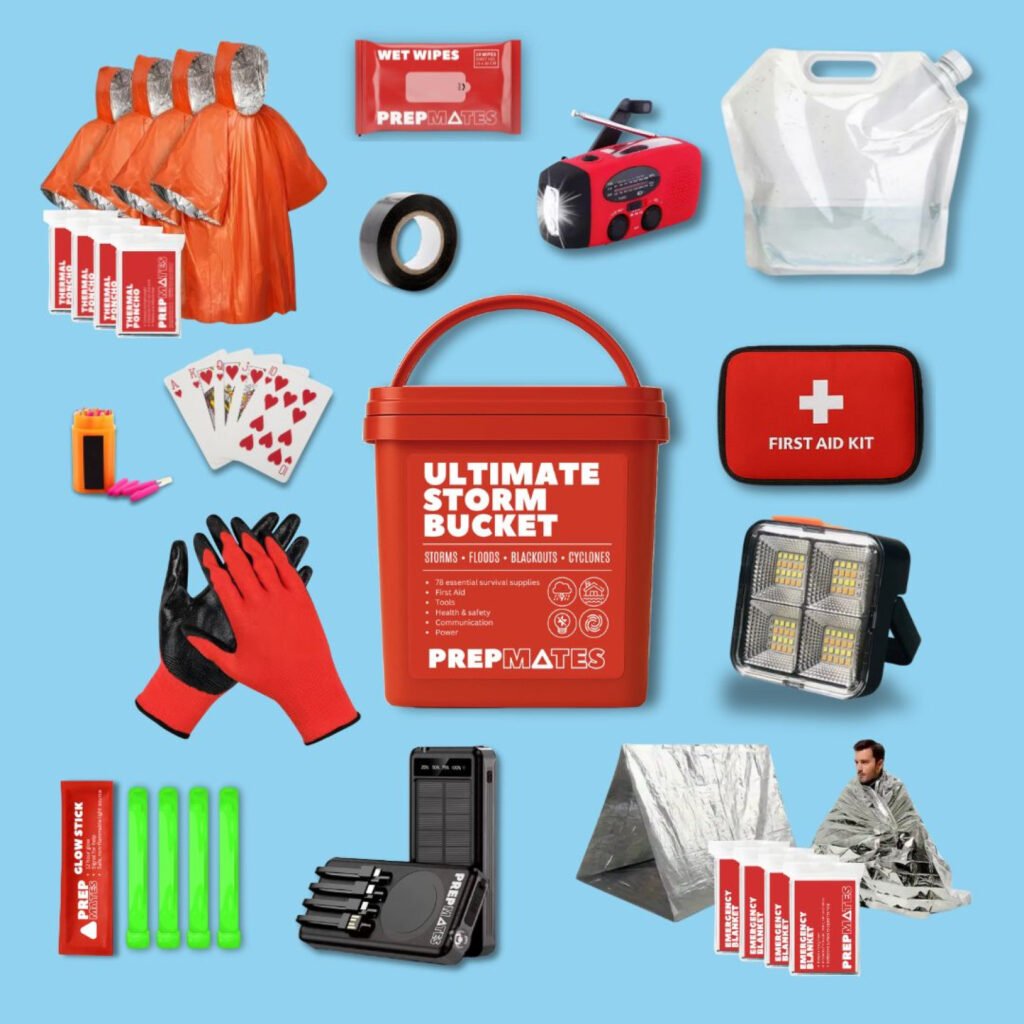
Here are some suggested items for your rainy season emergency kit:
- Torches and spare batteries (or a rechargeable torch)
- Candles and a lighter
- A basic first aid kit
- Bottled water — enough for at least three days
- Non-perishable food (canned goods, energy bars)
- Raincoats or ponchos for each family member
- Portable phone charger (power bank)
- Crucial papers in a watertight bag
- A battery-powered or hand-crank radio
- Extra cash — because ATMs may not work during a power cut
Pack it all away in one convenient grab-and-go bag or box. Point it out to every family member in the house.
You don’t have to be paranoid to be prepared. Doing a 30-minute prep session now can help a chaotic rainy night become a whole lot more manageable.
Tip #3: Safeguard Your Well-Being — The Rainy Season Brings More Than Water
Hidden Health Risks of Wet Weather
What most people don’t make the connection with is that rainy season and sickness go side by side.
With the rains come the mosquitoes. So does mold. So do waterborne diseases. So do colds and flu.
It takes a little extra work to stay healthy during rainy season — but it’s certainly possible.
Health Threats That Pose the Biggest Danger in Rainy Season
| Health Threat | Cause | How to Prevent It |
|---|---|---|
| Dengue fever | Mosquito bite, stagnant water | Eliminate standing water, use repellent |
| Common cold & flu | Wet clothes, low temperature | Change wet clothes immediately, stay warm |
| Leptospirosis | Contact with flood water | Avoid wading in floodwater, wear rubber boots |
| Food poisoning | Contaminated water reaching food | Drink only filtered water, cover food |
| Mold-related allergies | Damp walls and surfaces | Ventilate rooms, dry wet areas quickly |
Basic daily habits that guard you:
- Get out of wet clothing as soon as you reach home
- Avoid walking barefoot through flooded streets
- Only consume filtered or boiled water
- When it’s not raining, keep windows open for air circulation
- Use mosquito repellent — particularly at dawn and dusk
- Wash hands more often during rainy months
Your immune system is the best umbrella you can have. Nourish it properly, rest enough and don’t dismiss early symptoms.
Tip #4: Dress Smart — Rainy Season Fashion That Works
Stay Fabulous, Dry, and Frost-Free
No one looks forward to spending a day soaked, shivering or squishing around in soggy shoes.
Dressing right for rainy season is one of those small rainy season tips that makes a huge daily difference in your life.
The rainy season wardrobe essentials:
- A good raincoat or poncho — better than an umbrella on windy days
- Waterproof shoes or rain boots — a must if you commute
- Quick-dry fabrics — say no to heavy denim or thick cotton that will remain wet for hours
- Layers — temperatures can plunge rapidly when rain begins; be prepared to add warmth
- A small, windproof umbrella — compact ones fit anywhere and windproof ones make it through storms
What to avoid:
- Suede or leather shoes (they ruin in water)
- Light-colored fabric that becomes transparent when soaked
- Thick wool or cotton that dries very slowly
- Sandals or open-toed shoes when the streets are flooded
One pro tip: Always have a change of dry clothes at work or school. Nothing is better on a rainy day than getting caught in an unexpected shower and changing into dry clothes.
Tip #5: Protect Your Ride — Car Care During the Rainy Season
Your Vehicle Requires More Attention When It Rains
Driving in the rain can be an extremely risky task if your vehicle is not prepared.
Wet roads reduce grip. Poor visibility causes accidents. Flooded roads could stall your engine. These are real risks — and many of them are preventable.
Do the following car checks before rainy season:
- Tires — check the tread depth; worn tires considerably lose traction over wet pavement
- Wipers — replace them now if they smear or squeak
- Brakes — have them inspected; wet roads require responsive brakes
- Headlights and tail lights — visibility goes down quickly in heavy rain
- Battery — cold and wet weather reduces battery lifespan
- Engine air filter — a dirty filter causes rough running on humid days
Driving tips for rainy weather:
- Slow down — stopping distance doubles on wet ground
- Maintain greater following distance
- Do not cross flooded roads, even if they seem shallow
- Use headlights even when it is daytime and raining
- Never use cruise control on wet roads
- If your car starts to skid, gently steer in the direction you want to go — don’t jerk the brakes
Wet Road Stopping Distance Comparison
| Speed | Dry Stop Distance | Wet Stop Distance |
|---|---|---|
| 30 mph | 23 meters | 37 meters |
| 50 mph | 53 meters | 85 meters |
| 70 mph | 96 meters | 154 meters |
That table says everything. Slow down. Stay back. Stay safe.
Tip #6: Maintain Inside Dryness — Fight Humidity and Mold
Humidity Is the Stowaway of Rainy Season
Rainy season creates problems even if no water flows into your house.
Humidity creeps in. And humidity causes mold, musty odors, rust, wood rot and respiratory problems.
This is one of those rainy season tips that no one listens to — until ghastly black spots start spreading across the walls.
How to battle humidity in your home:
- Open windows when rain pauses to air out rooms
- Use a dehumidifier in damp rooms (basements, bathrooms)
- Don’t dry wet clothes in the house — they add moisture to the air
- Put moisture-absorbing packets (like silica gel) in wardrobes and drawers
- Quickly wipe away wet surfaces — don’t allow water to sit
- Look underneath sinks and behind appliances for slow leaks
Mold prevention tips:
- Dry bathroom walls after showering
- Use mold-resistant paint in damp-prone areas
- Maintain adequate ventilation in kitchens and bathrooms
- Repair any dripping taps or pipes immediately
If mold does arrive, cleanse it with a vinegar or baking soda solution early on. Don’t let it spread. Mold is not only ugly — it can lower air quality and cause allergies and asthma.
The same careful approach you’d take when designing and managing a small balcony garden to survive the wet season — keeping drainage clear and protecting delicate plants — applies to every single part of your home when the rains come.
Tip #7: Shield Your Electronics and Valuable Items
Rain and Electronics Are Worst Enemies
Water and electronics don’t mix. But every rainy season, people sacrifice phones, laptops and appliances to water damage.
Most of it is preventable.
Protecting your devices:
- Use a waterproof phone case or pouch during commutes
- Pack your laptop in a water-resistant bag — not just any bag
- Avoid charging near windows where rain can blow in
- In flood-risk areas, keep electronics off the floor
- Use surge protectors — lightning strikes during storms create power surges that damage devices
Protecting important documents:
- Store passports, IDs, property papers and certificates in a waterproof folder or ziplock bag
- Consider scanning important documents into cloud storage
- Keep originals in a high, dry place — not in low drawers or ground-level shelves
Other items that need rainy season protection:
| Item | Risk | Solution |
|---|---|---|
| Books and papers | Moisture, mold | Store in sealed boxes or bags |
| Clothes in wardrobe | Musty smell, mildew | Use silica gel packs, ventilate |
| Wooden furniture | Swelling, rot | Apply wood polish or sealant |
| Metal tools | Rust | Dry thoroughly, apply light oil |
| Shoes | Mold, warping | Stuff with newspaper, dry in shade |
A bit of organization now avoids a lot of heartbreak later.
Tip #8: Tackle Rainy Season Food and Kitchen Hygiene
Food Spoils More Quickly in Humid Air
Rainy season influences your house and health directly. And it goes straight into your kitchen too.
Food spoils faster in humid air. Bacteria multiply faster in warm, moist conditions. Flooding can contaminate the water supply. Food poisoning cases spike at this time.
Smart rainy season kitchen habits:
- Transfer staples (rice, flour, cereals) into airtight containers
- Immediately refrigerate leftovers — never leave cooked food out for long
- Rinse all produce before consumption
- Avoid drinking tap water unless it has been boiled or filtered during major flooding
- Be more vigilant about expiration dates — foods don’t last as long in humidity
- Keep your kitchen well-ventilated to reduce moisture buildup
Foods That Spoil Fastest in Humidity
| Food Type | How Quickly It Spoils in Humidity | Best Storage |
|---|---|---|
| Cooked rice | 2–4 hours at room temp | Refrigerate within 1 hour |
| Bread | 1–2 days | Airtight container or freeze |
| Fruits | 1–3 days | Refrigerate or consume quickly |
| Opened canned food | 24 hours | Transfer to sealed container |
| Dairy products | Faster than usual | Keep refrigerated always |
One more thing — if there’s heavy rain, be careful about ordering food delivery. Food can linger in damp conditions longer than usual before making its way to you. When in doubt, cook fresh at home.
Tip #9: Mind Your Mental Health — Rainy Season Weighs Heavy
The Rain Impacts More Than Your Roof
Here’s a rainy season tip that nobody ever really talks about:
Rain affects your mood.
This is not dramatic. It’s science. Lack of sunlight during prolonged rainy stretches decreases levels of serotonin — the brain chemical that keeps you happy and motivated. This condition is also known as Seasonal Affective Disorder (SAD), and its effects are felt by millions of people each year.
Symptoms might include lack of energy, inability to concentrate, feeling flat or unmotivated, and sleep disruption.
Rainy season mental health boosters:
- Get natural light whenever you can — sit near windows, go outside if it’s drizzling lightly
- Exercise indoors — even 20 minutes of activity boosts mood significantly
- Stick to a schedule — rainy days can run into one another; routine is important
- Stay socially connected — don’t withdraw; phone a friend, meet someone for tea
- Limit news and doom-scrolling — storm alerts and flood news can increase anxiety
- Set up a cozy indoor space — warm lighting, a nice book, your favorite drink
- Embrace gratitude — there is beauty in the rainy season too; seek it
According to research published by the American Psychological Association, light therapy, regular exercise and social connection are among the most effective tools against seasonal mood dips.
You can’t control the weather. You can absolutely control how you react to it, though.
Rainy Season Mood Survival Plan
| Time of Day | Activity to Boost Mood |
|---|---|
| Morning | Open curtains, get natural light, stretch |
| Midday | Eat a warm nourishing meal, short walk if dry |
| Afternoon | Productive task or creative hobby |
| Evening | Connect with family or friends, limit screen time |
| Night | Warm drink and reading, sleep at the same hour |
Small daily habits add up to a big difference in how you feel overall during rainy season.
All 9 Rainy Season Tips at a Glance
Here’s a full recap of everything covered:
| # | Rainy Season Tip | Key Action |
|---|---|---|
| 1 | Protect your home | Inspect and seal before rain starts |
| 2 | Create an emergency kit | Prepare a grab-and-go bag with essentials |
| 3 | Preserve your health | Prevent mosquitoes, avoid floodwater, stay dry |
| 4 | Dress accordingly | Waterproof shoes, quick-dry clothes, layers |
| 5 | Car maintenance | Check tires, wipers, brakes and lights |
| 6 | Indoor humidity control | Ventilate, dehumidify, prevent mold |
| 7 | Protect electronics and docs | Waterproof cases, cloud backups, dry storage |
| 8 | Kitchen hygiene | Airtight storage, boil water, refrigerate fast |
| 9 | Guard mental health | Light, movement, routine, connection |
Print this out. Stick it on your fridge. Take it step by step, one tip at a time.
FAQs — 9 Proven Rainy Season Tips
Q1: When should I start preparing for rainy season?
Start at least 2–3 weeks before the rainy season begins in your area. This gives you enough time to check your home, gather supplies, inspect your vehicle, and stock your emergency kit without needing to hurry.
Q2: What is the number one of all 9 proven rainy season tips?
All 9 work in concert, but if you had to choose one starting place — waterproof your home first. The most expensive and stressful problem the rainy season brings is water damage. Prevention at the source protects everything else.
Q3: How can I prevent mosquitoes during the rainy season?
Get rid of all standing water around your house — in pots and buckets, old tires, and clogged drains. Mosquitoes breed in stagnant water. Use repellent spray or lotion, dress in long sleeves at dawn and dusk, and use mosquito nets when sleeping.
Q4: Is it safe to drive during heavy rain?
It can be — if your car is well-maintained and you drive safely. Slow down, leave more space between you and other vehicles, use your headlights and steer clear of flooded streets. If visibility gets too low or flooding is severe, pull over safely and wait it out.
Q5: How can I protect my home from mold in rainy season?
Air out rooms regularly, dry wet surfaces immediately, avoid hanging drenched clothes indoors, keep silica gel packs in closed spaces and seal leaks as soon as they appear. If mold starts early, clean it with white vinegar before it spreads.
Q6: What foods are safest to eat during rainy season?
Hot meals that are freshly cooked are safest. Avoid street food that might have been exposed to dirty water or left out too long on a humid day. Consume plenty of ginger, turmeric, citrus fruits and garlic during the wet months to boost immunity.
Q7: How does the rainy season impact mental health, and what helps the most?
Less sunlight means less serotonin — which can lead to low mood, fatigue and lack of motivation. The best remedies are exercise, exposure to natural light, a structured daily routine and social connection. Never underestimate how much a simple walk or a phone call with a friend can alter your mood.
Q8: Do these rainy season tips apply in any country or climate?
Yes. Although the intensity of specific weather events differs depending on your region, the fundamental principles of home protection, health care, emergency preparation and mental wellness are universal. Adjust the details for your local environment — but the core remains the same.
Rain Is Coming — So Get Prepared This Time
Rainy season catches unprepared people every single year.
Leaking roofs. Soggy shoes. Sick kids. Flooded cars. Ruined electronics. Bad moods. Much of this is completely avoidable.
These 9 tried-and-tested rainy season tips are not rocket science. They don’t need a high budget or much time. They just need a few moments of intent and action before the storms arrive.
Start with your home. Build your emergency kit. Dress smart. Protect your health. Look after your mind.
Do those things and rainy season stops being a problem to survive — and starts being a season you can actually enjoy.
The rain is coming. This time, be ready for it.