
So, starting a balcony garden must sound very exciting. Then reality hits.
You buy a few plants, water them for a week and somehow still kill them. Or you buy pots and soil, try to get it all set up and find out that it doesn’t resemble the photos you saved on Instagram at all.
Sound familiar?
The truth is, most beginners don’t fail because they’re not gifted with a green thumb. They fall apart because nobody gave them a starting point. They don’t celebrate the small wins — they cut straight to the complicated stuff.
This article fixes that.
Here are 10 smart beginner wins to help you build your confidence with baby steps. All are easy, inexpensive and thoroughly satisfying. Whether your balcony is closet-sized or has room to spare, these wins will have you growing — and keep you going.
The Importance of Small Wins Beyond What You Imagine
Big goals are great. But having big goals without small wins leads to burnout.
When beginning a balcony garden, the intent may be to grow your own food, promote a green getaway or simply beautify the area. Those are all worthy goals. But they take time.
Small wins provide you with evidence that you’re going the right way. Each time something works, they release a little hit of motivation. And that sense of “I did this” in gardening feels so very strong.
Studies in behavioral psychology — including research by Harvard professor Teresa Amabile — demonstrate that small, visible progress is among the biggest drivers of motivation and sustained commitment. Gardening is no different.
So rather than attempt to do everything at once, secure these 10 beginner wins first. Build from there.
Win #1 — Successfully Grow One Herb
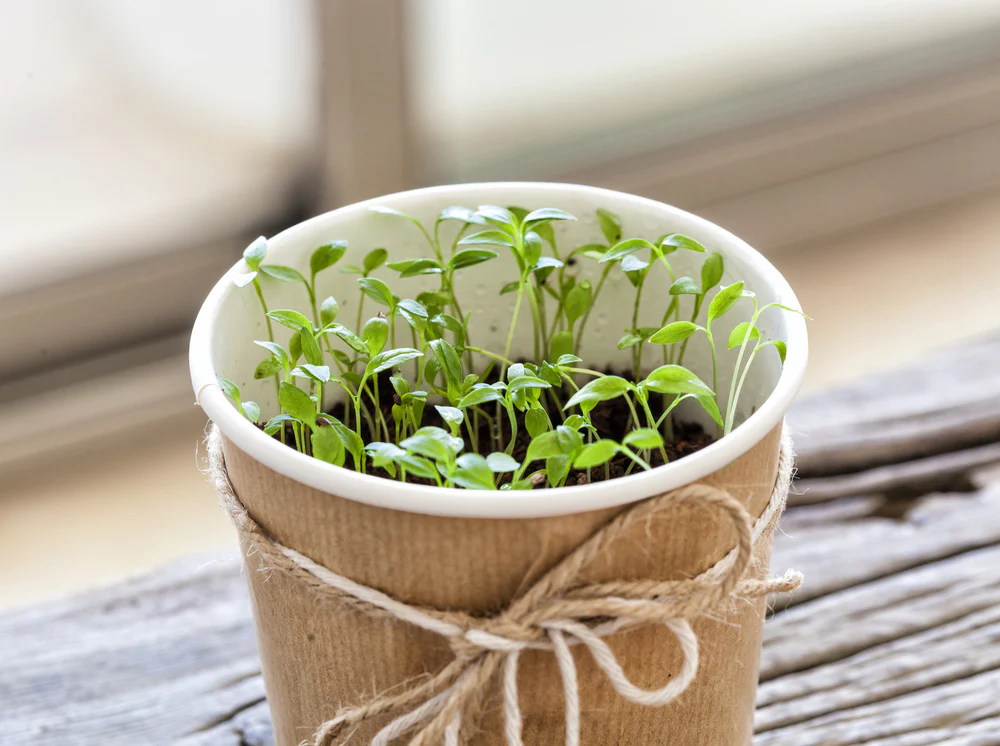
Never mind the full kitchen garden for now. Start with one herb.
Just one.
Herbs are forgiving, quick to grow and immediately useful. If you snip fresh basil into your pasta or drop fresh mint into a drink, the payback happens immediately.
The Best Starter Herbs
Mint is very hard to kill. It loves water, spreads vigorously and flourishes in partial shade. Keep it in its own pot — it spreads quickly.
Basil thrives in sunny places and shows results within weeks. It requires warmth and consistent watering.
Chives are low-maintenance, hardy perennials and look neat in any pot.
Pick one. Pot it. Water it consistently. That’s your first win.
Beginner Herb Starter Guide:
| Herb | Sunlight Required | Frequency of Watering | Difficulty Level |
|---|---|---|---|
| Mint | Partial shade | Every 1–2 days | Very easy |
| Basil | Full sun | Daily in summer | Easy |
| Chives | Full sun to partial | Every 2 days | Very easy |
| Parsley | Partial sun | Every 2 days | Easy |
| Rosemary | Full sun | Every 3–4 days | Easy |
Win #2 — Choose Your Pot and Soil Combination Wisely
Most beginners just pick up any pot and fill it with whatever dirt is on sale. This is where things go wrong early.
The right pot-and-soil combination is the foundation of every healthy plant. Get this right at the outset and half your problems evaporate.
Pots: What Actually Matters
Always use pots with drainage holes. Water settles at the bottom and roots decay without them. It’s the leading silent killer of balcony plants.
Size matters too. A too-small pot can inhibit root growth. Too big and the soil remains saturated too long. Use a pot one size bigger than the current container as a rough guideline.
Lightweight pots are a smart idea for balconies. Fabric grow bags, plastic pots or fiberglass containers keep things manageable without adding too much weight to your balcony floor.
Soil: Skip the Garden Dirt
Never use soil straight from the ground. It’s too dense, packs tightly in containers and frequently carries pests.
Use a good potting mix instead. Find one that has perlite or vermiculite — they keep the mix light and airy. A blend labeled “vegetable and herb” is best for herbs and vegetables.
Win #3 — Master Proper (Not Excessive) Watering
Overwatering takes the lives of more plants than underwatering. That’s not an opinion — it’s one of the most extensively documented mistakes in home gardening.
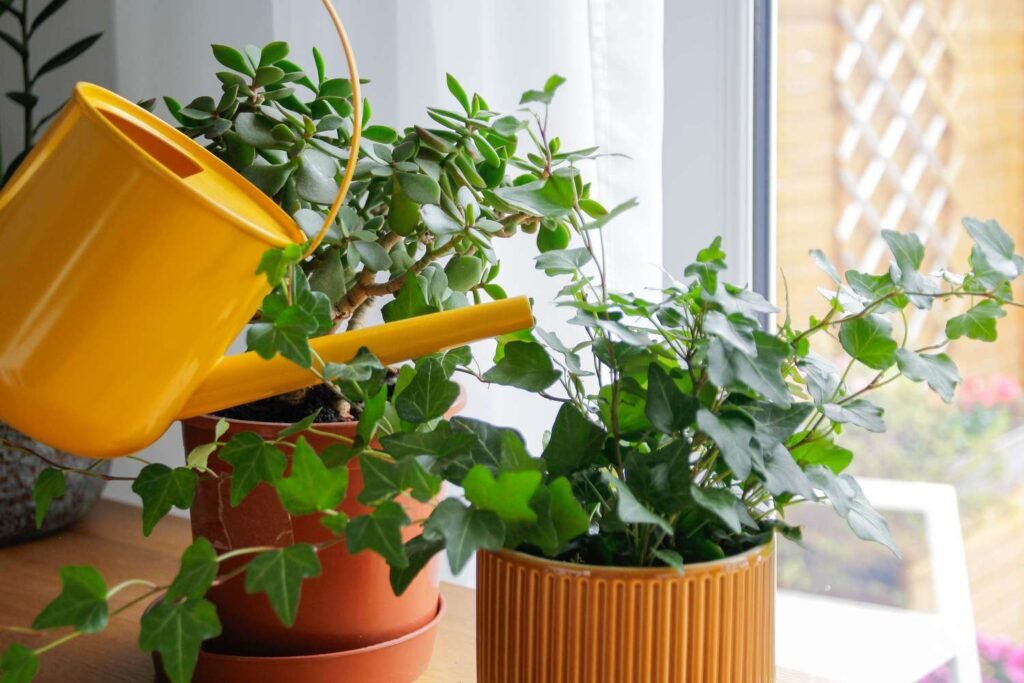
Most beginners water on a schedule. Every day, same time. The challenge, of course, is that plants don’t work by the clock. Their water requirement is based on how dry the soil gets — not when the calendar indicates.
The Finger Test
Stick your finger an inch into the soil. If it feels dry, give it a thorough watering. If it still feels damp, let it go another day and try again.
That’s the whole system. It takes five seconds and it works.
How to Water Properly
Water deeply and less often. Slowly pour until water comes out the bottom hole. This promotes downward root growth, which strengthens plants and makes them more drought-tolerant.
Avoid light, frequent splashing on top. It wets only the surface and teaches roots to remain shallow and weak.
Watering Cheat Sheet:
| Plant Type | Check Soil Every | Water When… |
|---|---|---|
| Herbs | 1 day | Top inch is dry |
| Succulents | 5–7 days | Soil is completely dry |
| Vegetables | 1 day | Top inch is dry |
| Flowers | 1–2 days | Top inch is dry |
| Ferns | 1 day | Soil feels barely moist |
Win #4 — Pick One Spot and Watch the Sun
This seems almost too simple to be a win. But it changes everything.
Before you buy another plant, spend three days watching your balcony. Take note of where the sun touches in the morning, afternoon and evening. Notice which corners remain in the shade all day.
Why Sun Mapping Matters
All plant labels say things like “full sun” or “partial shade.” These are not suggestions — they are requirements. Putting a sun-loving plant in the shaded corner is a recipe for disaster.
Full sun means 6 or more hours of direct sunlight. Partial sun means 3–6 hours. Shade means less than 3 hours.
Once you know your balcony’s sun pattern, buying the right plants becomes simple. You stop guessing and start choosing with confidence.
Create a Simple Sun Map
Grab a piece of paper and sketch your balcony layout. Mark where the sun falls at 9 AM, 12 PM and 4 PM. After three days, you’ll see a clear pattern.
This is one of the most underrated beginner wins because it costs nothing and prevents dozens of future mistakes.
Win #5 — Grow Something from Seed Successfully
There’s a particular pride in growing a plant from seed. It’s not the same as purchasing a seedling at the garden center. You have seen it happen since day one.
And it’s simpler than many beginners expect.
Best Seeds for Balcony Beginners
Radishes are the go-to beginner seed. They germinate within 3–5 days and can be harvested in about 3–4 weeks. Instant gratification.
Lettuce comes up fast, doesn’t need deep pots and you can keep harvesting outer leaves without pulling the entire plant.
Sunflowers are surprisingly easy and wildly rewarding. A single sunflower in a big pot can grow well even on a small balcony.
Seed Starting Basics
Use a small seed tray or repurposed yogurt cups with drainage holes. Fill with seed-starting mix (which is lighter than regular potting mix). Plant seeds at the depth suggested on the packet. Keep moist and warm.
Once seedlings are a few inches tall with their second set of leaves, transplant them to a larger pot.
For even more guidance on what to grow in compact outdoor spaces, Small Balcony Garden is packed with beginner-friendly plant ideas and growing tips designed specifically for small spaces.
Easiest Seeds to Grow on a Balcony:
| Seed | Days to Sprout | Days to Harvest | Pot Depth Needed |
|---|---|---|---|
| Radish | 3–5 days | 25–30 days | 6 inches |
| Lettuce | 5–7 days | 45–60 days | 6–8 inches |
| Chives | 7–10 days | 60 days | 6 inches |
| Sunflower | 5–10 days | 70–90 days | 12+ inches |
| Cherry tomato | 5–10 days | 65–80 days | 12–14 inches |
Win #6 — Create a Watering Routine That Actually Sticks
A garden without a routine quickly falls apart.
Life gets busy. You travel. You work late. You forget. And then you return to wilted plants and feel bad. The fix isn’t discipline — it’s a system.
Structure Your Routine Around Your Life
Don’t create a watering schedule that forces you to be home at 7 AM if that’s not realistic. Think about what you are actually doing on a daily basis. When do you naturally spend time near your balcony?
Watering in the morning is usually best. It allows leaves to dry before evening, which cuts down on mold or fungal problems.
Evening is also fine, particularly during hot summers. Just don’t water during the hottest part of the afternoon — too much evaporates before reaching the roots.
Self-Watering Tools for Busy People
Drip irrigation kits attach to a tap and water automatically on a timer. You can set it and leave it for days. These start at $20–$40 and are a real game-changer.
Self-watering pots have a built-in reservoir at the bottom. Roots draw up water as needed. They’re perfect for herbs and small vegetables.
Terracotta watering spikes attach to a water bottle and gradually release moisture into the soil. A cheap, simple backup for when you’re away.
Win #7 — Execute One Thoughtfully Designed Corner
Gardening is not only about growing things. It’s also about creating a space you enjoy being in.
And you don’t have to redo your entire balcony to get that feeling. You just need one corner that feels deliberate.
The One-Corner Rule
Choose the corner you see most — maybe from inside looking out, or the first thing that comes into view when you step outdoors. Channel all your creative effort there.
Group together a few plants of varying heights. Put the tallest pot at the back, medium in the middle and smaller ones at the front. This layered look is the most effective simple styling trick in gardening.
Add One Non-Plant Element
A small lantern. A decorative pot. A garden stake with a fun quote. One object that is not a plant adds character and makes the space feel curated rather than simply functional.
This one-corner win does something big mentally — it gives you a space you’re proud to show people. And that pride drives continued effort.
One-Corner Styling Checklist:
- [ ] Three plants at different heights
- [ ] One decorative non-plant element
- [ ] Pot colors that match or complement each other
- [ ] An outdoor rug or mat underneath (optional)
- [ ] String lights nearby for evening ambiance
Win #8 — Bring a Struggling Plant Back to Life Instead of Tossing It
Every beginner eventually ends up with a sad, suffering plant. Yellow leaves. Drooping stems. Brown tips.
The instinct is to throw it out and buy a new one. Resist that instinct.
One of the most useful skills a beginner can develop is how to diagnose and fix a struggling plant. And it is more achievable than you might think.
Read the Leaves
Leaves tell you almost everything.
Yellow leaves usually mean overwatering or poor drainage. Allow the soil to dry out and ensure that water is draining properly.
Brown crispy tips often point to underwatering, low humidity or too much direct sun. Move the plant to a shadier spot and water more consistently.
Drooping despite moist soil can indicate root rot. Carefully remove the plant from its pot, inspect the roots and trim any black or mushy ones. Repot in fresh, dry mix.
Pale, stretched stems typically mean the plant isn’t getting enough light. Move it closer to your light source.
Successfully nursing a plant back to health is an incredibly satisfying beginner win. It builds real diagnostic skills that improve every future decision you make.
Win #9 — Harvest Something You Grew Yourself
This is the win that converts hobby gardeners into lifelong growers.
The moment you snip your own herbs, pull your first radish or pluck a cherry tomato still warm from the sun — something shifts. The garden stops being a project and becomes part of the fabric of your life.
Plan for a Harvest Win Early
Don’t fill your entire balcony with ornamental plants and wait months for a payoff. Deliberately include at least one fast-growing edible so you can enjoy a harvest within the first few weeks.
Lettuce, radishes, herbs and spring onions all offer early, satisfying harvests.
Harvest Wisely to Keep Plants Producing
Many beginners harvest incorrectly and accidentally stop their plants from producing more.
With herbs like basil, always cut just above a leaf node — the point where two small leaves branch off. This encourages the plant to branch and produce new leaves rather than going to seed.
With lettuce, take outer leaves and leave the center growing. The plant keeps producing for months.
With cherry tomatoes, harvest as soon as they’re fully colored and slightly soft to the touch. Regular harvesting signals the plant to keep producing fruit.
According to RHS (Royal Horticultural Society), harvesting herbs and vegetables regularly is one of the most effective ways to extend the productive life of your edible plants.
Win #10 — Keep a Simple Garden Journal to Track Your Progress
This one sounds like homework. It isn’t.
A garden journal doesn’t have to be formal or elaborate. Even just a few quick notes or phone photos each week creates an incredibly useful record over time.
What to Track (Keep It Simple)
Note what you planted and when. Write down what worked and what didn’t. Record when you first saw sprouts, when you harvested and what problems you encountered.
After just one season, this journal becomes your personal gardening guide — tailored to your specific balcony, your climate and your habits.
Photo Journaling Works Too
If writing feels like too much effort, take a weekly photo of your balcony from the same angle. After two or three months, flick back through the photos. The growth — in your plants and your skills — is truly motivating.
Many experienced gardeners say their journal is the most valuable tool they have. It turns every mistake into a lesson and every success into a repeatable strategy.
Simple Garden Journal Template:
| Date | Plant | Action Taken | Observations | Next Step |
|---|---|---|---|---|
| Week 1 | Basil | Planted seed | Soil moist | Monitor daily |
| Week 2 | Basil | Watered | First sprout! | Keep warm |
| Week 3 | Mint | Repotted | Roots filling pot | New larger pot |
How These 10 Wins Build on Each Other
These wins aren’t random. They’re designed to stack.
You begin with one herb (Win #1), and your first task is to get the proper pot and soil setup right (Win #2). You work out watering (Win #3) and map your sun (Win #4). Then you try seeds (Win #5), establish a routine (Win #6) and beautify your space (Win #7).
When something goes wrong — and it will — you are now prepared to fix it (Win #8). You harvest your first crop (Win #9) and document the entire journey (Win #10).
By the end, you are not a beginner anymore.
The Beginner Win Progression:
| Stage | Wins Covered | Focus |
|---|---|---|
| Foundation | 1, 2, 3 | Basics of growing |
| Knowledge | 4, 5, 6 | Sun, seeds, routine |
| Space & Style | 7 | Making it beautiful |
| Skill-Building | 8, 9 | Problem-solving and reward |
| Long Game | 10 | Tracking and improving |
Common Beginner Mistakes These Wins Help You Avoid
Buying too many plants at once. Start with a maximum of three to five plants. Learn what they need before adding more.
Choosing the wrong plants for your light. Win #4 eliminates this entirely.
Giving up after one failure. Win #8 reframes failure as a lesson instead of a reason to quit.
Expecting results too fast. Wins #1 and #5 are designed to give you quick, visible results so you stay motivated while slower plants mature.
Spending too much too fast. These wins come at very little cost. Many can be achieved individually for less than $20.
FAQs About Balcony Garden Beginner Wins
Q: What is the single easiest plant to grow on a balcony for a total beginner? Mint is perhaps the most straightforward. It thrives in a wide range of conditions, comes back strong after you forget to water it, and you can use it fresh in your kitchen or drinks right away. Just keep it in its own pot because it spreads quickly.
Q: How long does it take to see real results on a balcony garden? With fast-growing options such as radishes or lettuce, you can see sprouts in a week and be harvesting within a month. In two to three weeks, you should see noticeable growth in your herbs. A full, established balcony garden typically takes one full growing season to come together properly.
Q: How much money do I need to start a beginner balcony garden? Very little. A simple beginner setup — two or three pots, a bag of potting mix and a small pack of seeds or seedlings — can cost as little as $30–$50. The wins in this article are specifically chosen to deliver maximum results at minimum cost.
Q: Do I need any special tools to get started? Not at all. The one true essential is a watering can or a hose with a gentle setting. A small hand trowel is useful for repotting. Everything else is optional — at least at the beginner stage.
Q: What if my balcony receives very little sunlight? You still have good options. Mint, ferns, peace lilies, impatiens and pothos all handle low-light conditions well. Focus on shade-tolerant plants and you can still achieve all 10 beginner wins.
Q: How can I tell when I’ve moved past the beginner stage? When you can consistently keep plants healthy, identify and fix problems without panic, plan for different seasons, and feel genuinely excited to try new varieties — you are no longer a beginner. These 10 wins are designed to get you there within a single growing season.
Q: Is balcony gardening suitable for kids? Absolutely. In fact, involving children in wins like growing from seed or harvesting herbs makes gardening even more rewarding. Fast-growing plants like radishes and sunflowers are particularly engaging for younger growers because they get to see results quickly.
Wrapping It Up
Balcony gardening doesn’t need to be difficult. It doesn’t need to be costly. And it certainly doesn’t have to begin with failure.
These 10 smart beginner wins are your road map from “I don’t even know where to start” to “I actually did this.” Each one is small by design. Each one delivers a real, tangible result. And each one builds the confidence and skills you need to keep going.
Grow one herb. Get your soil right. Learn to water properly. Map your sun. Try a seed. Build a routine. Style one corner. Fix a struggling plant. Harvest something. Write it down.
Do all ten and your balcony will be unrecognisable.
And so will the way you see yourself as a grower.