5 easy balcony setup ideas that transformed my tiny space
I didn’t think much of my balcony when I first moved in. It was small, a little dusty, and honestly felt more like a forgotten corner than a usable space. I used to step out there only to check the weather or hang a few clothes. That changed slowly, almost accidentally. One small tweak led to another, and before I knew it, the balcony became my favorite place in the entire home.
What follows isn’t a perfect, designer-approved transformation. It’s a series of simple, practical changes—some trial and error, a few small wins, and lessons learned along the way. If your balcony feels too small, too plain, or just not worth the effort, you might be surprised how much potential is hiding there.
- starting with the floor: the moment everything changed
The first thing I realized was that the floor sets the tone. Mine was plain concrete, slightly rough, and always felt cold underfoot. No matter what I added, the space still felt unfinished.
Instead of going for expensive tiles, I tried something simple: interlocking deck tiles. They snapped together easily, and within an hour, the balcony looked completely different. The transformation wasn’t just visual—it felt warmer, more intentional.
A few observations from this change:
- Texture matters more than color at first. Even neutral shades can feel cozy if the surface changes.
- Easy-to-remove options are best for renters.
- Even a small rug layered on top can add personality later.
I remember sitting down that evening, barefoot, realizing how something so basic made the space inviting. Before, I would stand and leave. Now, I wanted to stay.
Mini checklist: choosing your balcony flooring
- Measure your space properly (don’t eyeball it)
- Choose weather-resistant material
- Consider drainage (important during rain)
- Go for something easy to clean
- the power of vertical space: going up instead of out
With limited floor space, I quickly hit a wall—literally. There wasn’t room for too many pots or furniture pieces. That’s when I started looking up.
Vertical gardening changed everything.
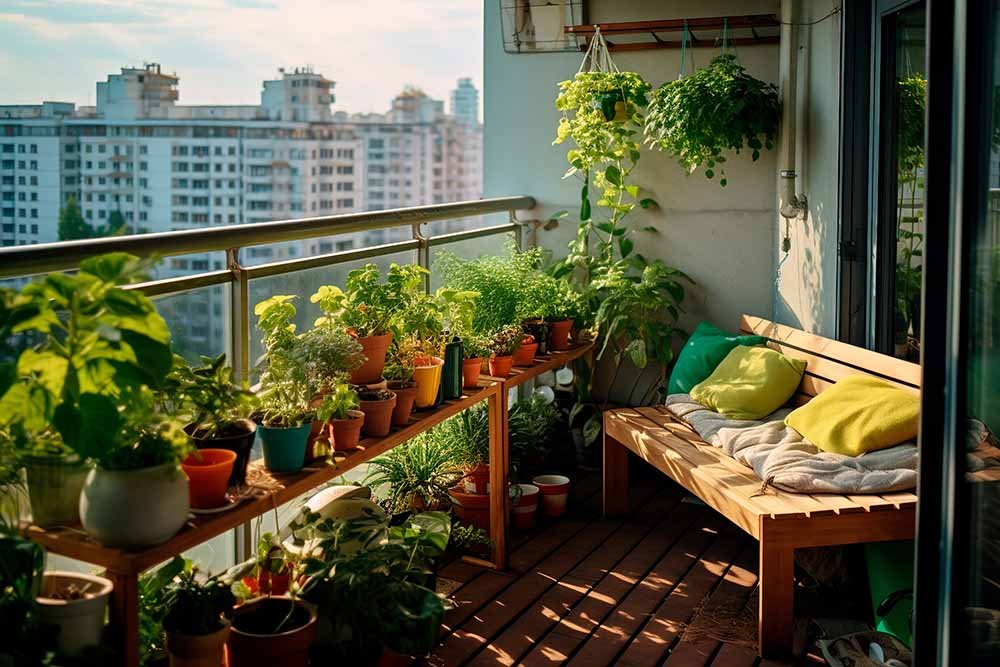
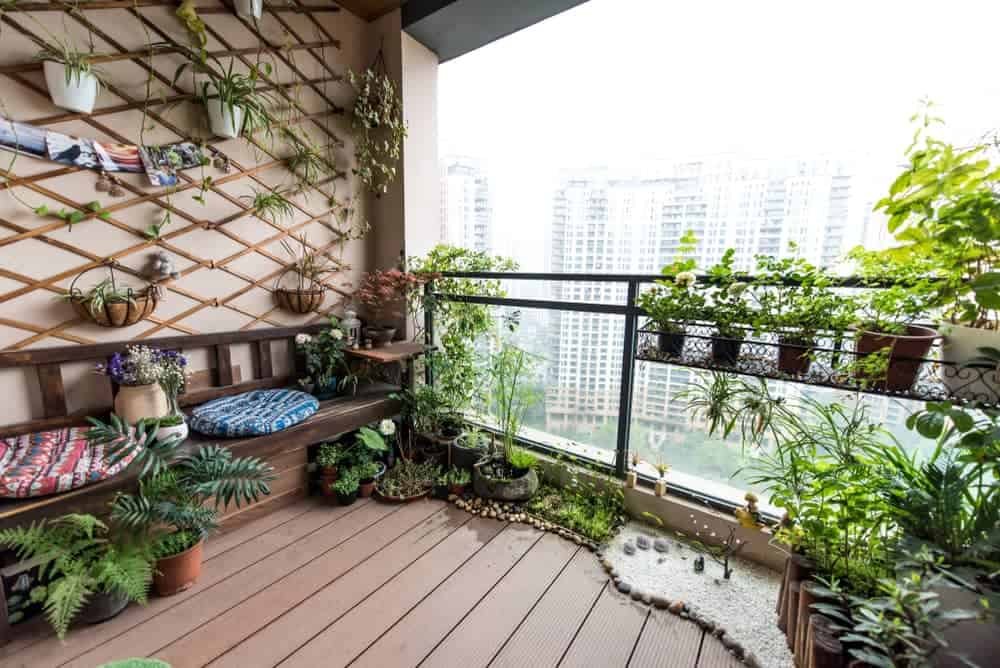
I used a simple wall-mounted rack and a few hanging planters. Suddenly, I had greenery without sacrificing space. It made the balcony feel alive, layered, and much bigger than it actually was.
Here’s what worked best for me:
- Lightweight planters that don’t stress the railing
- Mix of trailing and upright plants
- A consistent color palette for pots (this surprisingly makes a big difference)
I didn’t aim for perfection. Some plants thrived, others didn’t. But even the imperfect arrangement gave the balcony character.
Quick layout idea:
Top row → trailing plants (like money plant)
Middle → herbs (mint, basil, coriander)
Bottom → slightly larger pots
This setup made it easy to water everything and kept the space organized.
- creating a seating corner that actually works
I made the mistake of buying a bulky chair at first. It looked great online but completely overwhelmed the balcony. Lesson learned: scale matters more than style.
I switched to a foldable chair and a small stool that doubled as a table. Suddenly, I had a flexible setup:
- Morning coffee spot
- Evening reading nook
- Quick workspace when needed
Later, I added a floor cushion. That changed the vibe entirely—it felt more relaxed, less structured.
What made this setup work:
- Foldable furniture = more space when not in use
- Multi-purpose pieces = fewer items, more function
- Soft elements (cushions, throws) = instant comfort
Small seating combinations that work:
- One chair + one stool
- Floor cushion + low table
- Bench with storage (if space allows)
I started spending more time there without planning to. That’s how you know something is working.
- lighting: the overlooked magic
If I had to pick one change that made the biggest emotional impact, it would be lighting.
During the day, the balcony was fine. But at night, it felt dull and lifeless. Adding warm string lights changed everything. The space instantly felt cozy, almost like an outdoor café.
I kept it simple:
- One string of warm LED lights along the railing
- A small solar lamp in one corner
That’s it. No complicated setup.
What I noticed:
- Warm light feels inviting; cool light feels harsh outdoors
- Even one light source can define the mood
- Lighting extends usability into the evening
Even on days when I didn’t feel like doing anything, sitting under soft lights with a cup of tea felt enough.
Mood idea:
Early evening → soft yellow lights + light breeze
Late night → dim lighting + quiet surroundings
It turned the balcony into a place to unwind, not just pass through.
- adding personality without clutter
At one point, I almost ruined everything by adding too much. More plants, more decor, more everything. The space started feeling crowded again.
That’s when I stepped back and focused on intentional details instead of quantity.
A few small touches made a big difference:
- One wall hanging instead of multiple
- A single patterned cushion
- A small tray for essentials (cup, book, phone)
I also introduced a simple theme: calm and natural. That helped me decide what to keep and what to remove.
Rule I now follow:
If it doesn’t serve a purpose or bring calm, it doesn’t stay.
Simple decor ideas that worked:
- Neutral tones with one accent color
- Natural materials (wood, jute, cotton)
- Minimal but meaningful items
The space started to feel balanced—neither empty nor overwhelming.
a quick snapshot of the transformation
Before:
- Bare concrete floor
- No seating
- No lighting
- Random unused space
After:
- Warm flooring
- Compact seating corner
- Vertical greenery
- Soft lighting
- Clean, intentional decor
The size didn’t change. But the experience did.
what i learned along the way
Not every idea worked immediately. Some things needed adjusting. A few plants had to be replaced. The first furniture choice didn’t fit. But each small step taught me something useful.

Here are a few lessons that might save you time:
- Start with one change, not everything at once
- Test before committing (especially furniture)
- Less is often more in small spaces
- Comfort matters more than appearance
Also, your balcony doesn’t need to look like something from a magazine. It just needs to feel right for you.
a simple weekend plan to get started
If you’re wondering where to begin, here’s a realistic plan:
Day 1:
- Clean the balcony thoroughly
- Measure the space
- Decide your main use (relaxing, gardening, working)
Day 2:
- Add flooring or a rug
- Set up basic seating
- Introduce 2–3 plants
Day 3:
- Add lighting
- Include one or two decor pieces
- Adjust layout if needed
No pressure to get everything perfect. Just start.
5–6 faqs
- what is the cheapest way to upgrade a balcony?
Start with a rug or floor mat and a couple of plants. These two changes alone can make a big visual difference without costing much. You can gradually add more elements later. - how do i make my small balcony look bigger?
Use vertical space, keep the floor clear, and stick to a limited color palette. Avoid bulky furniture and choose foldable or multi-purpose pieces. - which plants are best for a balcony setup?
It depends on sunlight, but easy options include mint, basil, aloe vera, and money plant. Start with low-maintenance plants and expand once you understand the conditions. - can i set up a balcony if i’m renting?
Yes, just choose removable options like deck tiles, hooks, and lightweight furniture. Avoid permanent drilling unless allowed. - how do i protect my balcony setup from weather?
Use weather-resistant materials, bring cushions indoors during rain, and choose durable plants. A simple cover or storage box can help protect smaller items. - how much time does it take to transform a balcony?
You can see noticeable changes in a weekend. A full setup may take a few weeks as you refine and adjust based on what works best.
—
Looking back, the balcony didn’t need a big budget or a perfect plan. It needed attention, a bit of creativity, and the willingness to experiment. What used to be an ignored corner is now where mornings begin and evenings slow down.
If you have a tiny balcony, you’re not limited—you’re just working with a smaller canvas. And sometimes, that’s exactly what makes the result feel more personal.