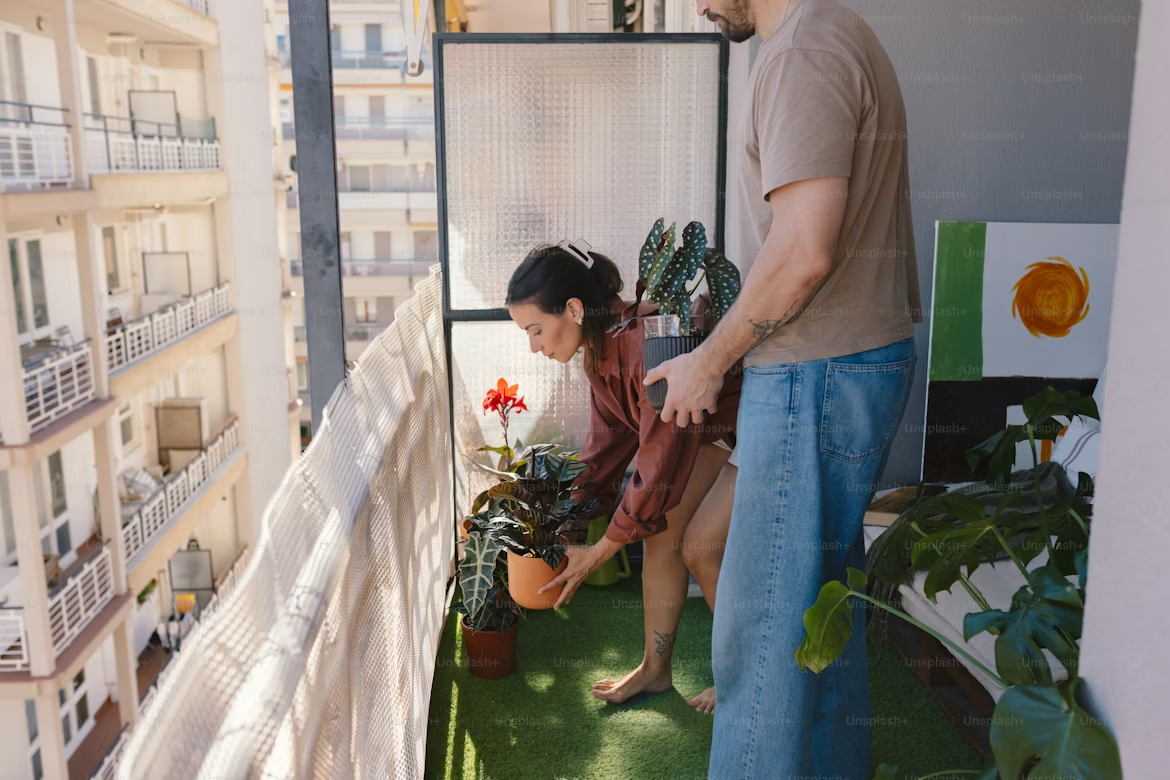
I still remember the first time I looked at my tiny balcony and thought, “What on earth am I supposed to do with this?” It was maybe 6 feet wide, got afternoon sun on one side, and already had a plastic chair taking up half the space. Not exactly a gardener’s dream.
But here’s the thing — after a lot of trial and error (and one very dead tomato plant), I figured out that small balconies don’t need more space. They just need smarter decisions.
These 9 hacks genuinely changed how my balcony looks and feels. Some of them cost almost nothing. A couple of them I wish someone had told me on day one.
1. Go Vertical Before You Go Wide
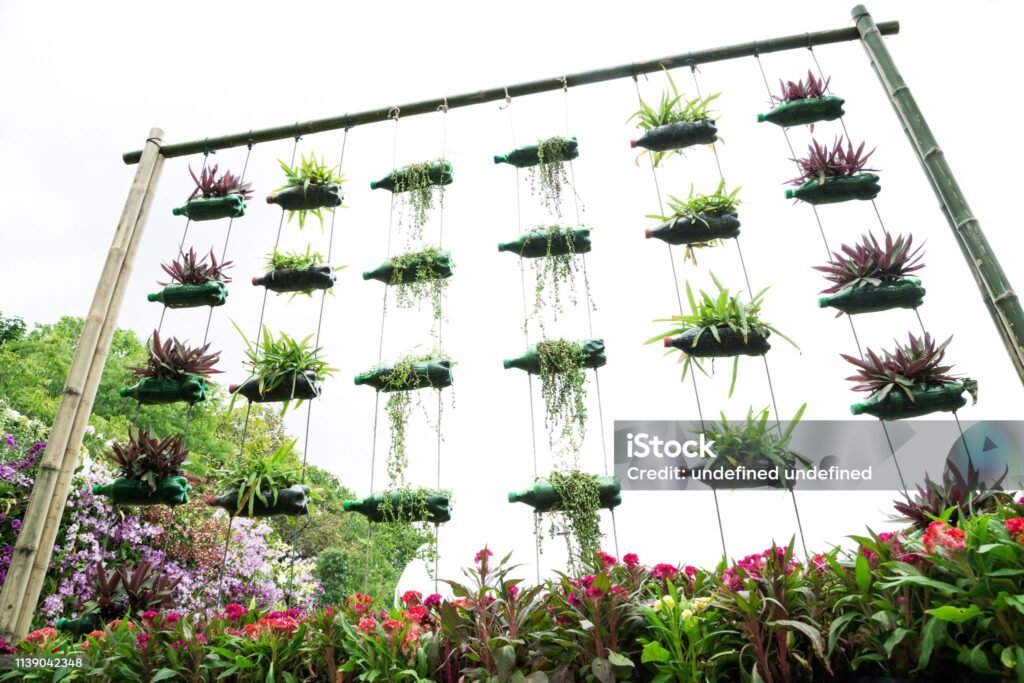
The biggest mistake I made early on was thinking horizontally — lining pots along the floor like I was setting up a produce stand. It looked cluttered fast and made the space feel even smaller.
Going vertical was a game changer.
Wall-mounted planters, tiered shelving, and hanging pockets can triple your growing area without using an extra inch of floor space. I picked up a simple three-tier metal planter stand for under $20, and suddenly I had room for herbs, trailing plants, and even a small pepper plant — all in a corner I used to ignore.
If you’re not sure where to start, check out these 12 vertical gardens to smarten up any space — there are some really creative ideas in there that work even on rental balconies where you can’t drill into walls.
Quick tip: Trailing plants like sweet potato vine or nasturtium look incredible hanging down from upper shelves. They fill visual space without adding weight to your floor load.
2. Use Railing Planters Like You Mean It
Your railing is basically free real estate that most people completely ignore.
Railing planters clip or hook over the side, and they’re perfect for herbs, small flowers, or even strawberries. I grow basil, parsley, and mint along my railing now, and not only does it look great — I can grab fresh herbs while I’m grilling without going back inside.
The one thing to watch: weight distribution. Don’t load up one side of the railing with heavy ceramic pots. Lightweight plastic or fabric planters are safer and dry out slightly faster, which actually helps prevent overwatering.
Also, check the sun exposure on your railing. My inner rail gets shade most of the day, so I put shade-tolerant herbs there (mint, parsley) and saved the sunny outer edge for basil and cherry tomatoes.
3. Master the Art of the Right Soil Mix
This one took me embarrassingly long to figure out. I used to grab whatever bag of “potting mix” was cheapest at the garden center. The results were… not great. Soggy roots, slow growth, and plants that looked like they were just barely surviving.
Balcony containers need a specific kind of soil — one that drains well but still holds enough moisture in small pots. A good basic mix for most balcony plants is:
| Component | Ratio | Purpose |
|---|---|---|
| Peat moss or coco coir | 40% | Moisture retention |
| Perlite or pumice | 30% | Drainage & aeration |
| Compost | 20% | Nutrients |
| Coarse sand | 10% | Weight & drainage |
Heavy garden soil from the ground is a hard no for containers. It compacts, doesn’t drain, and slowly suffocates your plant roots.
For a deeper dive into getting this right, these 8 ultimate soil mix tips are worth reading — especially the section on matching soil type to specific plants.
4. Stop Watering on a Schedule — Start Checking the Soil
I used to water every single morning like clockwork. It felt responsible. It was actually killing my plants.
Container plants on balconies are exposed to wind and sun on all sides, so they dry out faster than garden beds — but the drying rate changes completely based on weather, season, and pot size. What worked in April will waterlog your plants in a cool, cloudy week in October.
The finger test sounds too simple, but it actually works: stick your finger about an inch into the soil. If it’s still moist, leave it. If it’s dry, water it.
I also started using a cheap moisture meter (around $8 on Amazon) for my bigger pots. It takes the guesswork out entirely and I’ve lost far fewer plants since.
Common watering mistakes on balconies:
- Watering in the afternoon heat (evaporates before it reaches roots)
- Watering the leaves instead of the base
- Not watering deeply enough (shallow watering = shallow roots)
- Ignoring drainage — always make sure water can actually escape
5. Think in Layers: Tall, Medium, and Trailing Plants
This is more of a design hack than a gardening one, but it makes a huge difference in how your balcony looks and feels.
If everything is the same height, the space looks flat and crowded. When you layer heights — something tall at the back, medium plants in the middle, and trailing or low plants at the front edge — it creates depth and makes the balcony feel intentional, not just random pots sitting around.
For a small balcony, a simple layout that works really well:
- Back/wall: Tall plants like tomatoes on a stake, a small dwarf fruit tree, or a large ornamental grass
- Middle: Medium herbs, peppers, or compact flowering plants
- Front/railing edge: Trailing plants like lobelia, thyme, or mini strawberries
This also makes practical sense because the tallest plants usually need the most sun, and placing them at the back keeps them from shading the smaller ones.
6. Use Self-Watering Containers for Busy Weeks
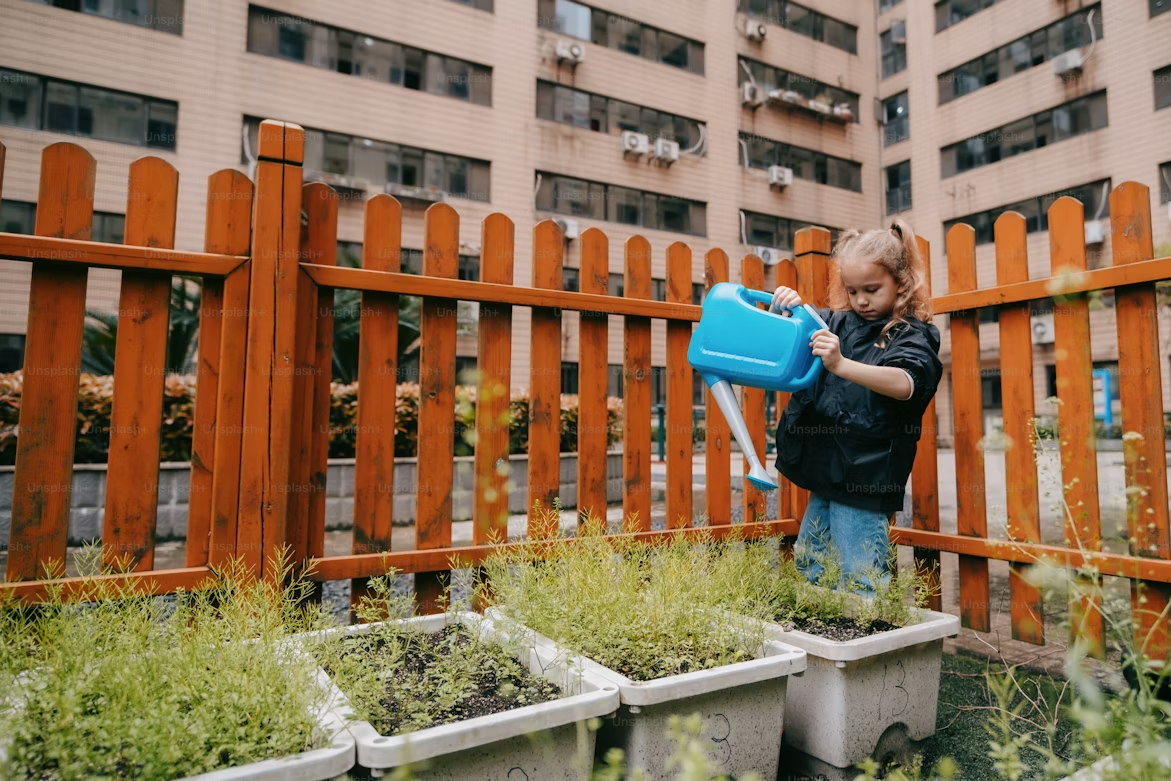
Real talk: I travel for work sometimes, and there’s nothing worse than coming home to a balcony full of crispy, dead plants. I learned this lesson after one particularly rough business trip.
Self-watering containers have a water reservoir at the bottom that the plant draws from through capillary action. They don’t replace regular watering entirely, but a good one can keep your plants alive for 5–10 days without any intervention.
I use them for my herbs and tomatoes now. The plants actually grow better in them too — the consistent moisture level at the root zone seems to keep them happier than the boom-and-bust cycle of manual watering.
Look for ones with a fill indicator so you can see at a glance how much water is left. Brands like Lechuza and City Picker are solid, but there are decent budget options too.
7. Feed Your Plants — But Don’t Overdo It
Container plants run out of nutrients faster than ground-planted ones because nutrients leach out with every watering. Most potting mixes have maybe 3–6 weeks of nutrients built in, and then your plant is on its own.
I made the opposite mistake at first — I over-fertilized because I figured more = better. What I got was leggy, lush green growth with almost no flowers or fruit. Turns out nitrogen-heavy fertilizers push leaves, not produce.
Here’s a simple feeding approach that works:
For leafy herbs and greens: Balanced fertilizer (like 10-10-10) every 2–3 weeks during growing season.
For fruiting plants (tomatoes, peppers): Switch to a lower-nitrogen, higher phosphorus and potassium feed once flowering starts. Something like a tomato-specific fertilizer works perfectly.
For flowers: A bloom booster with higher phosphorus encourages more flowers.
Liquid fertilizers are easier to control on balconies than granular ones. I use a diluted fish emulsion every two weeks during summer and my plants have never looked better.
8. Create Microclimates to Extend Your Growing Season
This one sounds more complicated than it is.
A microclimate is just a small area with slightly different growing conditions than the surrounding space. On a balcony, you already have them — a corner that’s sheltered from wind, a spot near a glass door that stays warmer, or a shaded area on the north side.
Once you start noticing these zones, you can match plants to them way more intentionally.
My south-facing corner gets intense afternoon heat, so I put heat-loving plants there — peppers, basil, and cherry tomatoes absolutely love it. The shaded corner near the wall? Perfect for mint, cilantro, and ferns that would bolt or burn in full sun.
You can also create microclimates with a little effort:
- A mini greenhouse or cold frame extends your season by 6–8 weeks on both ends. Even a simple plastic cover over a shelf can protect plants from a light frost.
- Reflective surfaces (like a white wall or light-colored tiles) bounce extra light onto plants that need it.
- Wind barriers — a simple bamboo screen or reed fencing cuts wind dramatically, which makes a huge difference for plants that hate being battered.
For cold-weather gardening specifically, these 8 ultimate cold weather tricks are incredibly practical — I used several of them last autumn and managed to keep my herbs going well into December.
9. Grow Companion Plants Together, Not in Isolation
I used to grow everything separately, thinking each plant needed its own space. Then a neighbor (who had the most insanely lush balcony I’d ever seen) showed me her setup — every pot had two or three plants in it, and they were all thriving.
Companion planting is the practice of growing plants together that mutually benefit each other. It’s not a myth — it genuinely works, even in small containers.
Some combinations that work really well in balcony pots:
| Pairing | Why It Works |
|---|---|
| Tomato + Basil | Basil may repel aphids and whiteflies; both love heat |
| Pepper + Marigold | Marigolds deter pests; peppers love the company |
| Lettuce + Tall herbs | Tall herbs shade lettuce from harsh midday sun |
| Strawberry + Thyme | Thyme repels worms and slugs; both like well-drained soil |
| Beans + Nasturtium | Nasturtiums attract aphids away from beans (trap crop) |
The added bonus of companion planting in pots is that you get more variety from the same container. One larger pot with tomatoes, basil, and a marigold at the base looks beautiful AND functions like a mini ecosystem.
A Few Mistakes I’d Tell My Past Self to Avoid
Since I’ve been at this a while now, here are some things I genuinely wish someone had warned me about:
Buying too many plants at once. I did this in year one. Ended up overwhelmed, couldn’t keep up with watering, and lost half of them. Start with 4–6 plants and learn what works in your specific space before expanding.
Ignoring your balcony’s weight limit. This is a real safety issue. Large ceramic pots filled with wet soil are shockingly heavy. Check your building’s balcony weight guidelines (often 25–50 kg per square meter) and stick to them. Lightweight fabric grow bags and plastic containers are your friends.
Choosing plants that don’t suit your light. Full sun plants on a north-facing shaded balcony are going to struggle no matter what you do. Spend a day noting where the sun hits your balcony and for how long before you pick your plants.
Not thinking about drainage from the start. If your pots drain water onto the balcony below or create a mess, you’ll have unhappy neighbors or a building management complaint. Use saucers, drip trays, or place pots on a mat that absorbs excess water.
Final Thoughts
If there’s one thing I’ve taken from all of this, it’s that small balconies reward smart thinking more than they reward extra spending. You don’t need to buy expensive planters or a ton of equipment. You need a bit of observation (where does your sun actually fall?), a good soil mix, and a willingness to experiment.
The vertical space, the railing, the corners you’ve been ignoring — all of it is potential growing space just waiting to be used.
Start with one or two of these hacks, see what clicks for your specific balcony, and build from there. That’s genuinely how every great balcony garden I’ve ever seen got started — not all at once, but one smart decision at a time.