Last July, I walked out to my balcony at 9 AM and the soil in my terracotta pots was already bone dry. By noon, two of my basil plants had completely wilted — not the “oh they’ll perk back up” kind of wilt, the sad, crispy, probably-not-coming-back kind. I’d been gardening in containers for three years by that point. I thought I knew what I was doing.
Turns out, summer is a whole different beast.
If you’ve ever felt like summer specifically targets your plants, you’re not imagining it. The combination of intense heat, dry air, and fast-evaporating soil creates conditions that even relatively tough plants struggle with. And if you’re growing on a balcony or in containers (like most of us small-space gardeners), the challenge multiplies because pots heat up way faster than in-ground soil.
These six hacks are things I’ve actually tested — some I stumbled onto out of desperation, some I learned from other gardeners, and one genuinely surprised me with how well it worked. Let’s get into it.
1. Switch to Bottom Watering Before It Gets Critical
Top watering during summer feels instinctive — you pour water on the soil, it looks wet, you move on. But here’s the problem: in high heat, the top inch of soil dries out almost immediately, which means your plants are constantly living in a cycle of “wet surface, dry roots.”
Bottom watering flips that. You place your pot in a shallow tray filled with water and let the soil draw moisture up from the bottom through capillary action. The roots get a deep, even drink — and the topsoil stays relatively dry, which actually slows down surface evaporation.
Here’s how I do it:
- Fill a tray, basin, or even an old baking dish with about an inch of water.
- Place your pot in it and walk away for 20–30 minutes.
- Check if the top inch of soil feels moist — if it does, the plant has absorbed enough.
- Remove the pot so it’s not sitting in standing water for hours (root rot is a real risk).
I started doing this for my tomatoes and pepper plants mid-July and noticed within a week that they looked noticeably less stressed during the hottest afternoon hours. The leaves weren’t curling as much, and new growth actually continued instead of stalling.
One thing to watch: if your pots don’t have drainage holes, bottom watering won’t work and honestly — fix the drainage situation first. It’s one of the most important container secrets for successful gardening that most people skip right past.
2. Mulch the Top of Your Containers (Yes, Really)
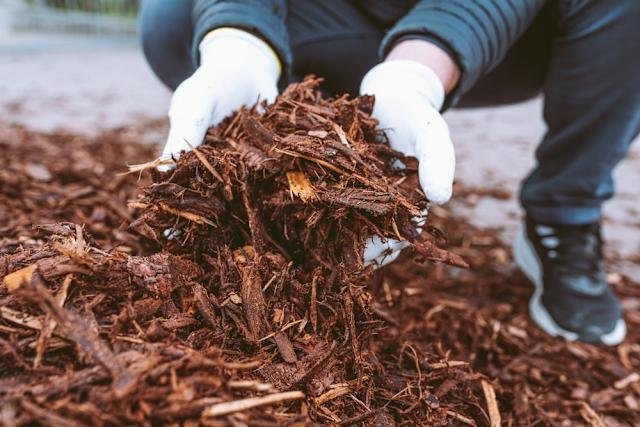
Mulching is something most people associate with big garden beds, not pots on a balcony. I ignored this tip for an embarrassingly long time because it just felt unnecessary for small containers. Then I tried it on a whim with some wood chip mulch I had left over from a friend’s garden, and the difference was immediate.
A thin layer of mulch — even just an inch — on top of your pot’s soil acts like insulation. It keeps the sun from hitting the soil directly, slows evaporation dramatically, and helps keep the root zone cooler.
What you can use as mulch in containers:
| Mulch Type | Availability | Effectiveness | Notes |
|---|---|---|---|
| Wood chips | Garden centers, online | High | Breaks down slowly, great for perennials |
| Coco coir | Nurseries, Amazon | High | Lightweight, ideal for balcony pots |
| Straw | Farm stores | Medium-High | Can look messy but works well |
| Pebbles/gravel | Widely available | Medium | Doesn’t add organic matter but looks neat |
| Dried leaves | Free, seasonal | Medium | Chop finely for best results |
I personally use coco coir for my balcony pots because it’s lightweight (weight matters when you’re on a balcony), holds moisture well, and doesn’t look out of place. A small bag goes a long way.
Apply it after watering — never on dry soil. And keep it away from the plant’s stem to avoid moisture buildup right at the base.
3. Water at the Right Time — and Stop Doing It at Noon
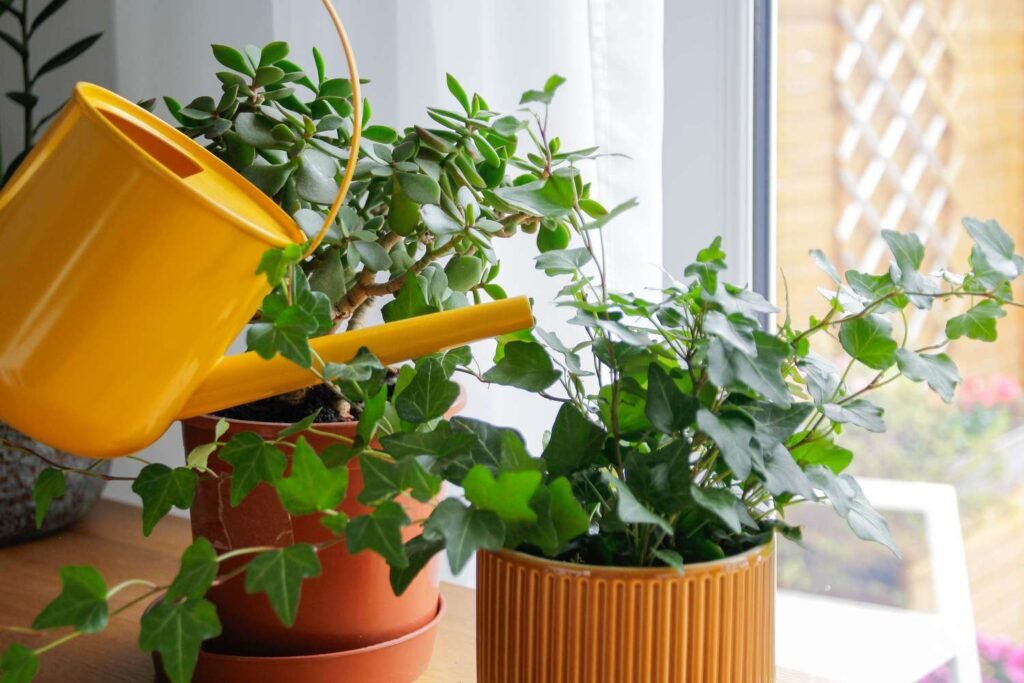
This sounds obvious until you realize how many people (including past-me) water whenever they happen to be home and remember, which is often midday during summer.
Watering during the hottest part of the day is basically offering your plant a hot steam bath. The water evaporates before it can reach deep roots, droplets sitting on leaves can act like tiny magnifying glasses under direct sun, and if you’re using cold tap water on sun-baked soil, the temperature shock stresses the roots.
The golden windows for summer watering:
- Early morning (6–9 AM): Best option. The soil is cool, water has time to soak in before heat peaks, and leaves dry before evening (preventing fungal issues).
- Evening (after 6 PM): Acceptable, especially in very hot climates. The downside is that wet soil overnight can encourage slugs, fungus gnats, and mildew. Keep it to the soil, not the foliage.
- Midday (11 AM–4 PM): Avoid if possible. If a plant is actively wilting from heat stress and you must intervene, water sparingly just at the base.
I set a phone reminder for 7 AM every summer morning. It sounds like overkill but after losing several plants to heat stress that was entirely preventable, I stopped leaving it to chance.
Also worth knowing: check your soil before watering every single time. Stick your finger an inch into the soil — if it’s still moist, skip that day. Over-watering is just as dangerous as under-watering in summer, especially if your containers have limited airflow.
4. Create Shade Without Sacrificing Your Setup
Full sun is great for many plants — up to a point. Past that point, even sun-loving vegetables like tomatoes and peppers go into heat stress mode, stop producing flowers, and essentially just try to survive rather than thrive. For leafy greens and herbs, intense summer sun can be downright lethal within days.
The solution isn’t to move everything indoors. It’s strategic shading.
A few approaches that have worked well for me:
Shade cloth: This is genuinely one of the best investments for a summer balcony garden. You can buy 30–50% shade cloth (the percentage refers to how much sunlight it blocks) from garden centers or online. Drape it overhead or create a simple frame with bamboo stakes and clips. I use a 40% cloth over my herb section and it brought leaf temperatures down noticeably.
Repositioning pots: Sounds too simple, but moving containers to spots that get morning sun and afternoon shade during the worst summer weeks can make a real difference. Track where your shade falls at 2 PM on a hot day and work with it.
Taller plants as living shade: If you’re growing something tall — like sunflowers, climbing beans, or trellised cucumbers — position them so they cast shade on more vulnerable plants during afternoon hours. This is a natural companion planting move that pulls double duty. You can explore more about clever plant pairings that make your garden flourish to get the most out of this approach.
5. Upgrade Your Soil Mix to Handle Summer Heat
This was the biggest game-changer for me personally, and honestly the one I wish someone had told me in year one.
Standard potting mix from the hardware store does the job in spring and fall. In summer, it’s not enough. Regular potting mix compacts quickly in heat, repels water once it dries out completely (ever notice water just running straight through and out the drainage hole without being absorbed?), and doesn’t retain enough moisture between waterings.
The fix is amending your mix with a few key ingredients:
My summer container soil recipe:
- 60% quality potting mix (I use a peat-free option)
- 20% perlite (improves drainage and aeration so roots don’t suffocate)
- 10% coco coir (retains moisture without waterlogging)
- 10% compost or worm castings (adds slow-release nutrients since heat depletes them faster)
A teaspoon of hydrogel crystals (also called water-retaining granules) mixed into the soil when repotting is another trick. They absorb water and slowly release it over days, acting like a buffer between your waterings. I use them in pots that dry out fastest — usually the smaller terracotta ones.
For more detail on building the perfect container soil blend, this guide on ultimate soil mix tips every gardener needs breaks it down really well.
6. Feed Smarter, Not More
Here’s a mistake I made for two full summers: I thought more fertilizer would help stressed summer plants recover faster. It doesn’t. It actually makes things worse.
When plants are heat-stressed, their root systems aren’t actively absorbing nutrients efficiently. Dumping extra fertilizer into the soil just builds up salt concentration, which draws moisture out of the roots — the opposite of what you want. This is called fertilizer burn, and it looks like brown crispy leaf edges that you might mistake for sun scorch.
Summer feeding rules I now follow:
- Cut fertilizer frequency in half during peak heat. If you normally feed weekly, go every two weeks.
- Switch to liquid fertilizer over granules. Liquid feeds are gentler and absorb faster even when a plant is slightly stressed.
- Use seaweed or kelp extract as a foliar spray. This isn’t a nutrient feed — it’s a biostimulant that genuinely helps plants cope with heat stress. Spray in the early morning so it dries before the sun gets intense. I noticed my tomatoes recovered from a heat wave noticeably faster after I started doing this.
- Never fertilize dry soil. Always water first, then feed. Dry soil + concentrated fertilizer = root damage.
A balanced liquid fertilizer diluted to half strength, applied in the morning every two weeks, is my go-to summer routine now. Simple, consistent, and way more effective than the “more is more” approach I used to take.
Common Summer Plant Mistakes Worth Avoiding
A quick reference for things that seem helpful but often backfire:
| Mistake | Why It Backfires | What to Do Instead |
|---|---|---|
| Watering more frequently with small amounts | Encourages shallow roots that dry out faster | Water deeply but less often |
| Misting leaves to cool plants | Creates humidity that invites fungal disease | Focus water at the root zone |
| Repotting during a heat wave | Adds stress on top of stress | Wait for a cooler spell, even just a few days |
| Using dark-colored pots in full sun | Absorbs heat and literally cooks roots | Use light-colored or double-potted containers |
| Crowding plants together “for shade” | Reduces airflow, leads to disease | Space them out and use shade cloth instead |
Final Thoughts
Summer gardening is honestly a bit of a negotiation. You’re working against evaporation, heat stress, intense UV, and the fact that containers dry out ten times faster than in-ground soil. But none of these challenges are unbeatable.
The hacks that moved the needle most for me were the soil amendment (fewer watering crises overall), the timing shift to early morning watering, and mulching the pots — which I genuinely underestimated for years. Start with whichever one feels most actionable for your current setup, watch what changes, and add the others in.
Your plants don’t need perfection. They just need a little help getting through the hardest months — and so does every gardener, honestly.