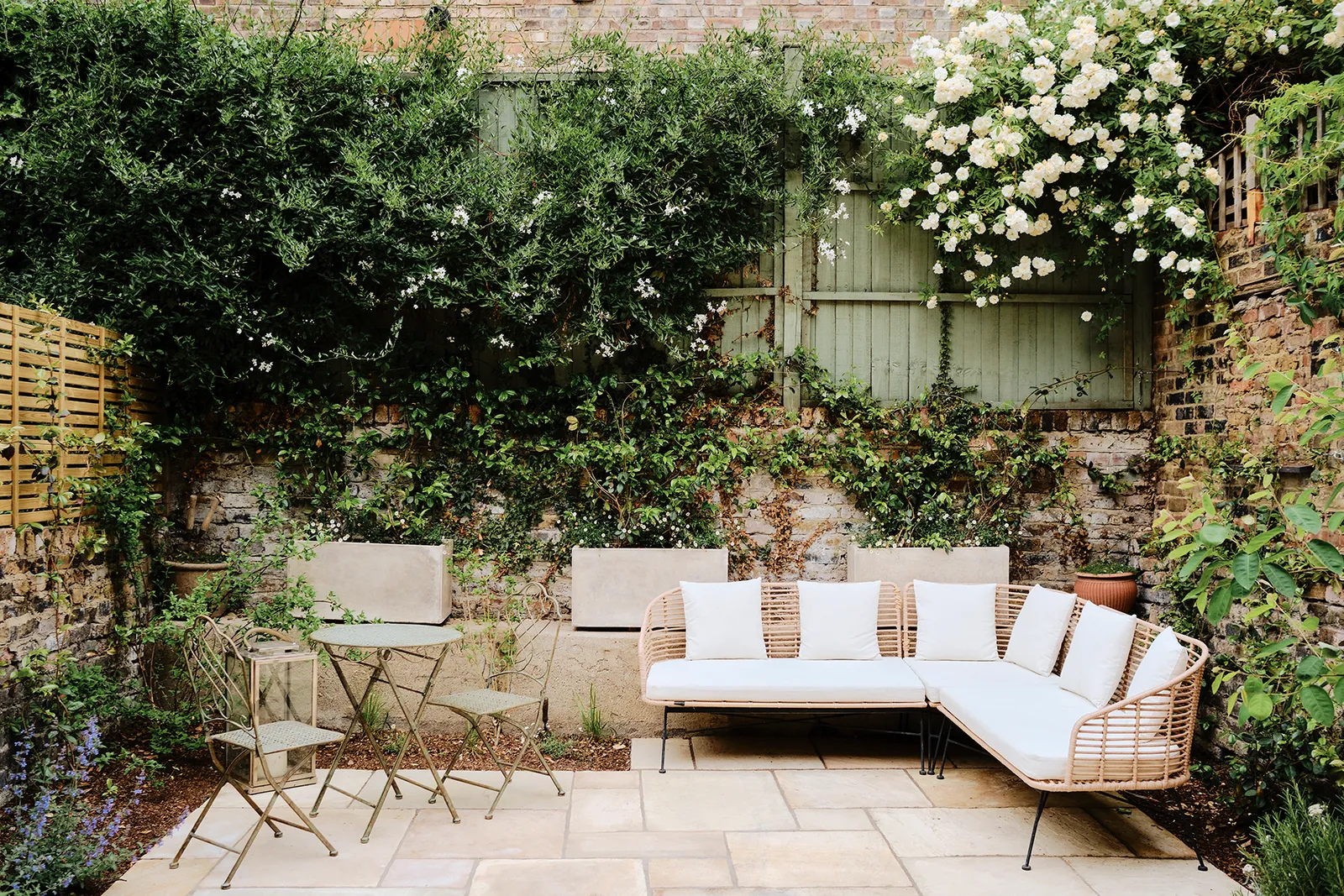
There was a point last November when I walked out onto my balcony, looked at the sad, half-dead remains of my summer garden, and thought — is this it until April?
Brown stems. Empty pots. One very confused marigold still trying its best.
That was the moment I decided I was done treating my balcony like a summer-only project. I wanted color and life out there in February just as much as I did in July. And honestly? After a few seasons of experimenting, I’ve figured out that a year-round balcony garden isn’t just possible — it’s actually not that hard once you stop thinking in terms of “gardening season” and start thinking in terms of what works when.
Here’s what I’ve learned, season by season.
1. Spring: Start With Fast Movers and Early Bloomers
Spring is the season that makes every gardener feel hopeful again, and for good reason — so much grows so fast in those first warm weeks that it’s genuinely exciting.
But the mistake I made in my first couple of springs was waiting too long. I’d see sunshine in late March, think it’s too early, and then by the time I got going in May, I’d missed six full weeks of prime growing time.
The trick is to get cool-season plants out there the moment your nights stop dipping below freezing consistently. For most temperate climates, that’s somewhere between late February and early April.
What to plant in spring:
- Pansies and violas — ridiculously cold-hardy, blooming even when it’s still nippy
- Lettuce, spinach, and arugula — fast-growing and love the mild temperatures
- Sweet peas — start them early and they’ll reward you with stunning blooms
- Snapdragons — underrated for balconies, long-lasting, and gorgeous
- Tulip or daffodil bulbs (if you pre-chilled them over winter in paper bags in the fridge)
One thing I started doing that made a real difference: I keep a small unheated mini greenhouse shelf on my balcony through late winter. Seeds started in there in February are ready to transplant into pots by mid-March, giving me a huge head start.
The 7 easy mini greenhouse tips I came across last year helped me set mine up properly — including how to ventilate it on warm days so you don’t accidentally cook your seedlings.
2. Late Spring: Fill the Gaps With Herbs Before Summer Arrives
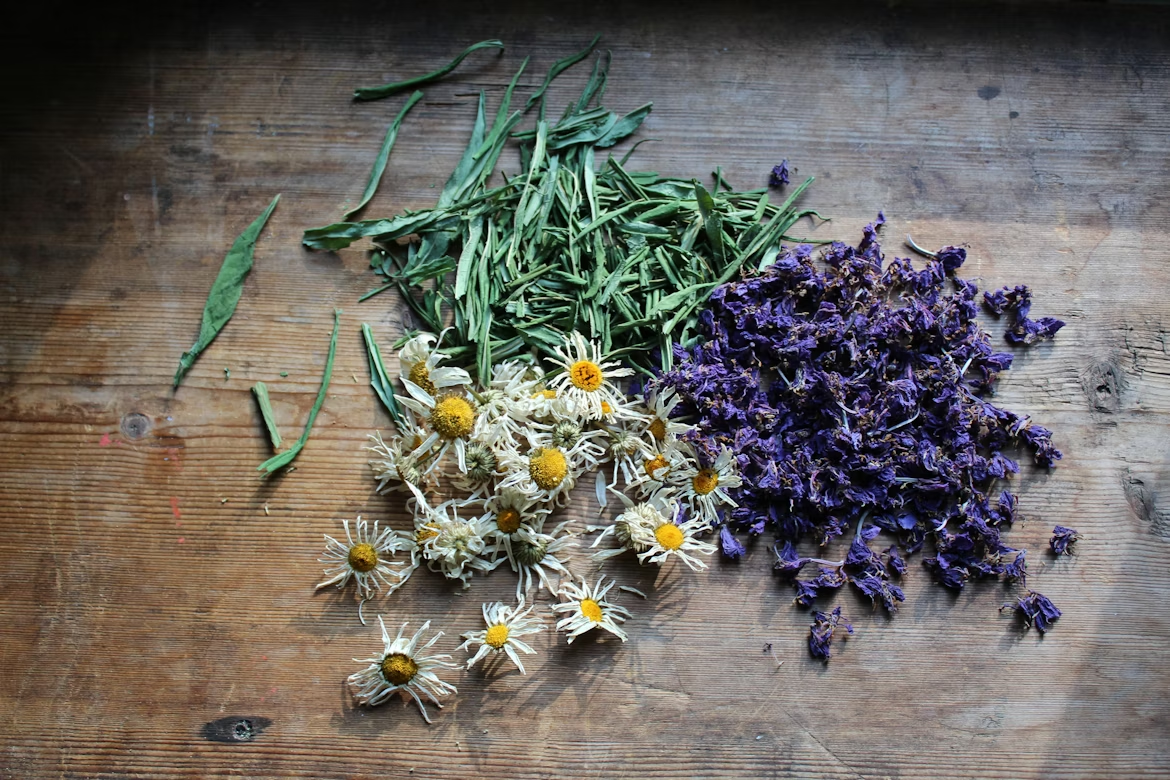
There’s a short window between the cool-season plants fading and the summer ones really taking hold. This is the gap that used to leave my balcony looking sparse and patchy in May.
Now I use that window to establish my herb garden — because herbs bridge seasons beautifully. Most of them go out in late spring, grow through summer, and many keep going well into autumn.
The herbs that work best for balcony growing:
| Herb | Light Needed | Container Size | Notes |
|---|---|---|---|
| Basil | Full sun | Medium (6″+ pot) | Pinch flowers to extend harvest |
| Mint | Partial shade OK | Any (keep contained!) | Spreads aggressively — keep solo |
| Parsley | Partial to full sun | Medium | Slow to start, then prolific |
| Chives | Full sun | Small pot | Nearly indestructible |
| Thyme | Full sun | Small pot | Drought-tolerant, great in heat |
| Rosemary | Full sun | Large pot | Can survive mild winters outside |
| Cilantro | Partial sun | Medium | Bolts fast — sow in succession |
Mint deserves a special warning: do NOT plant it in a shared pot with anything else. It will take over. I learned this the hard way when a single mint sprig swallowed an entire container that also had basil and parsley in it. Mint gets its own pot. Always.
3. Early Summer: Bring in the Color and the Climbers
This is when balcony gardening really starts to feel rewarding. The temperatures are warm, the light is long, and almost everything you plant seems to thrive with minimal effort.
Early summer is the time to go bold with color. After the softer tones of spring, this is when I swap in vibrant petunias, geraniums, and calibrachoa (those mini petunia-type flowers that cascade beautifully over pot edges).
It’s also when I set up my climbing plants. If you’ve got a railing or a trellis, a climbing nasturtium or a small-flowered clematis will do something magical to a plain balcony wall. I use simple bamboo cane structures tied with garden twine — nothing expensive — and the plants do the decorating for me.
Step-by-step for setting up a balcony climber:
- Fix a trellis panel to the wall or railing (tension rod versions work for renters)
- Plant your climber in a deep pot (at least 30cm/12 inches) with rich compost
- Tie the initial stems loosely to the lower part of the trellis to guide direction
- Water deeply but less frequently to encourage roots to grow down, not sit near the surface
- Feed with a high-potassium liquid fertilizer once flowers appear
The whole setup takes maybe an hour and creates a living green wall that transforms a boring balcony into something you actually want to spend time on.
4. Midsummer: Edibles Take Center Stage
By July, I want food. Actual, real food coming off my balcony. And midsummer is when container edibles absolutely deliver if you’ve set them up right.
Cherry tomatoes are the balcony grower’s best friend. They’re compact (choose bush or dwarf varieties like ‘Tumbling Tom’ or ‘Balconi Red’), they produce heavily, and there is genuinely nothing better than eating a tomato thirty seconds after it came off a plant you grew yourself.
Peppers are another midsummer winner. They love the heat, they look beautiful as they change color, and a single plant can produce dozens of peppers over the season.
What I’ve learned about midsummer balcony edibles:
The heat trap is real. South-facing balconies in peak summer can get brutally hot — sometimes hotter than the surrounding air because of heat bouncing off concrete and glass. Some plants that love warmth (like peppers and basil) thrive in this. Others (like lettuce and cilantro) will bolt and die fast. Match the plant to the microclimate, not just the season.
Watering frequency doubles. In July and August, I’m often watering twice a day for anything in small pots. A moisture meter becomes genuinely essential in peak summer, not just a nice-to-have. Without it, you’re guessing — and guessing wrong costs you plants.
For anyone growing edibles and wondering what to grow for maximum output in minimum space, this guide on 7 easy crops for beginners that will really grow is one I recommend regularly — it’s realistic about what actually produces well in containers.
5. Late Summer: Plan the Transition Before It’s Too Late
Here’s the thing about late summer that took me a while to appreciate: it’s not just the end of something. It’s the setup for autumn.
Most people wait until their summer plants are already dying before they think about what’s next. By then, it’s often too late to get cool-season plants established before the temperatures drop hard.
I now start transitioning in late August, while the summer plants are still going. Here’s my approach:
- Start sowing cool-season seeds (kale, spinach, Swiss chard, winter lettuce) in a sheltered corner of the balcony while temperatures are still warm enough to germinate
- As summer plants finish or get pulled, the seedlings are ready to move into those pots
- This creates an almost seamless handoff with no gap in greenery
It’s like relay gardening — you’re passing the baton before the first runner stops, not after.
One more late-summer task that pays dividends: cut back your perennial plants (lavender, rosemary, hardy geraniums) by about a third. This prevents them from becoming woody and encourages fresh growth for the following year.
6. Autumn: The Most Underrated Balcony Season
I genuinely think autumn is the most underappreciated time for balcony gardening, and I say that as someone who used to pack everything away in September.
The light is lower and softer, the colors of autumn plants are warm and rich, and the cooler temperatures actually make being out on the balcony more pleasant than the peak of summer.
Autumn balcony plants that genuinely impress:
- Ornamental kale and cabbage — sounds odd, but the purple and white ruffled varieties look stunning in pots and withstand frost
- Chrysanthemums — the classic autumn pot plant, and for good reason; they’re reliable, colorful, and last for weeks
- Heuchera — evergreen ground cover with incredible foliage color ranging from lime green to deep burgundy
- Cyclamen — compact, long-blooming, and handles cold nights surprisingly well
- Winter pansies — technically a cool-season annual, but these specific varieties are bred to bloom through autumn and even into mild winters
I also love using autumn to add structural interest — ornamental grasses that rustle in the wind, small dwarf conifers in matching pots, anything that holds its form even as the temperature drops.
| Plant Type | Bloom / Interest Period | Cold Hardiness | Pot Size |
|---|---|---|---|
| Winter pansy | Autumn through spring | Hardy to -5°C | Small |
| Chrysanthemum | Late summer to November | Moderate | Medium |
| Ornamental kale | Autumn through winter | Hardy to -10°C | Medium |
| Heuchera | Year-round foliage | Very hardy | Small-medium |
| Dwarf conifer | Year-round structure | Very hardy | Large |
7. Winter: Don’t Leave the Balcony Empty
This is where most balcony gardeners check out. And I get it — standing in the cold to water plants doesn’t exactly sound appealing. But a completely bare balcony in winter is a missed opportunity, and there are plants that practically take care of themselves in the cold months.
The key mindset shift for winter is moving from growing to displaying. You’re not necessarily trying to harvest or produce flowers — you’re keeping the space alive and interesting through the dark months.
My winter balcony strategy:
Start with a skeleton of evergreens — a small boxwood, a dwarf pine, or a compact holly gives you permanent green structure. These go in larger pots and basically do nothing except exist and look great, which is exactly what you need in January.
Layer in winter bloomers. Hellebores are extraordinary — they flower from December through March, handle frost, and look absolutely beautiful with their nodding blooms. Winter-flowering heather is another one that adds color through the grey months without any fuss.
Add some visual interest with non-plant elements too. Fairy lights woven through evergreen pots, a lantern or two, some weatherproof cushions on a chair — the balcony becomes a place you actually look out at and feel good about, even if you’re not spending much time in it.
Winter watering tip: Most plants in winter need far less water than you think. Overwatering in cold weather is one of the most common ways to lose plants. Check the soil before watering — in cold, slow-evaporation conditions, once a week (or less) is often enough.
Thinking ahead to keeping plants going through cold snaps? The 11 clever planting calendars that remove the guesswork from gardening are genuinely useful for planning your seasonal transitions months in advance rather than scrambling when the weather changes.
8. Year-Round: The Non-Negotiables That Make Everything Work
Beyond the seasonal specifics, there are a few things that I’ve found make or break a year-round balcony garden regardless of what time of year it is.
Consistent feeding through the growing season. Plants in containers have limited nutrient access. A slow-release granular fertilizer added to pots at the start of spring, topped up with liquid feed every two weeks from April through September, keeps everything well-nourished without constant monitoring.
Pot grouping for humidity. Grouping pots together creates a slightly more humid microclimate around the plants, which reduces stress from wind and drying air — particularly helpful in summer and in heated autumn/winter conditions on covered balconies.
The right pot for the right season. Dark pots absorb heat — great for summer crops like peppers and tomatoes, but brutal for cool-season plants in direct sun. Light-colored pots reflect heat and work better for spring and autumn growing. I use the same plants but swap pot colors seasonally. Simple, but it makes a real difference.
Keep a simple garden journal. I started using a basic notes app on my phone to log what I planted, when, what worked, and what didn’t. After two or three seasons, this becomes an incredibly useful personal reference. You stop repeating the same mistakes and start building on what actually worked in your specific space.
The Mistakes That Taught Me the Most
Since we’re being real here, a few honest lessons:
Buying too many seasonal plants at once always ends the same way — overwhelm, neglect, and dead plants. Start smaller than you think you need to. You can always add more.
Ignoring the forecast has cost me plants more than once. A late frost in April, an early cold snap in October — checking a weather app like Weather Underground or even just the standard phone weather widget before putting tender plants out has become a habit I’d never skip now.
Skipping the soil refresh in spring is tempting because it’s extra work, but reusing exhausted potting mix from the previous year means your plants start the season already depleted. I top up at least a third of the soil in each pot every spring, and the difference in plant performance is noticeable.
Thinking certain seasons are “impossible” held me back for years. Winter especially. The truth is, there is always something that can grow, bloom, or at least look good on a balcony, in any season, in almost any climate. It’s just a matter of choosing the right plants for the conditions you actually have.
Wrapping It Up
A year-round balcony garden isn’t about working harder — it’s about working a few weeks ahead of the season and making thoughtful swaps as the year turns. Once you get into the rhythm of it, it starts to feel less like gardening tasks and more like just… keeping something alive that gives a lot back.
The best version of your balcony isn’t a summer project. It’s a year-round space that evolves, changes color, and keeps surprising you.
Start with one season you’ve been neglecting — probably autumn or winter — and just add two or three plants. See what happens. That’s genuinely how it begins.