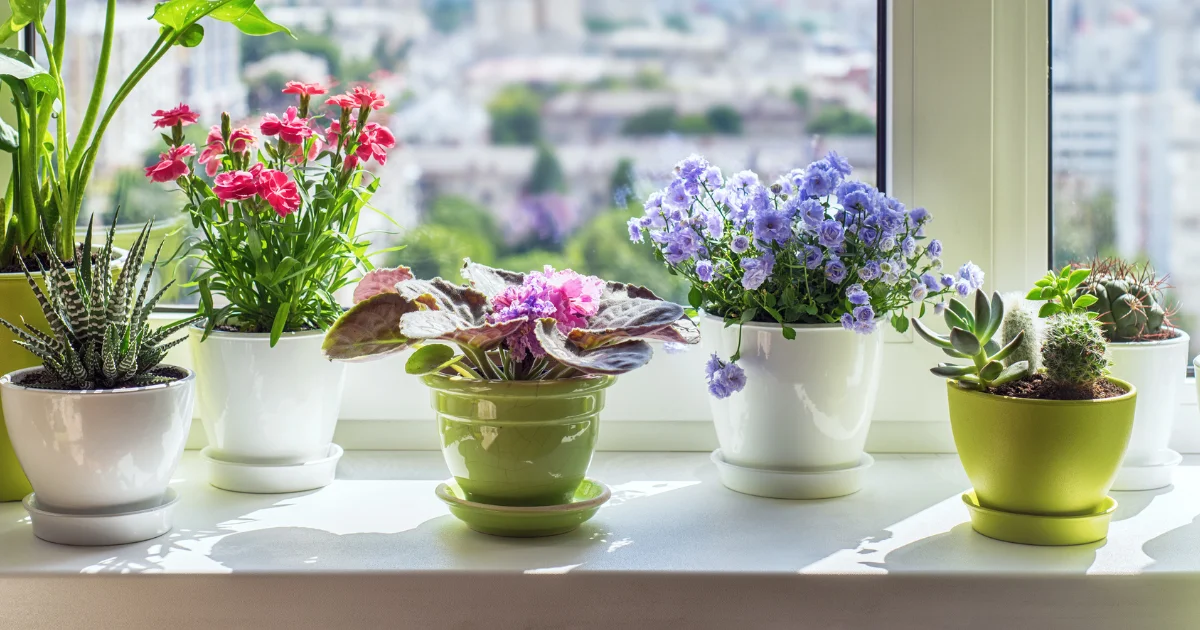
My balcony is exactly 6 feet wide and 9 feet long. I measured it when I first moved in, mostly to figure out if I could fit a small table and two chairs. What I didn’t plan on was turning half of it into a working garden.
The first season I tried growing things out there, I made the classic mistake of planting everything at the same time with zero thought about seasons. Spinach in June. Tomatoes in October. Nothing made sense, and nothing really thrived. I was frustrated and honestly a little embarrassed — how hard could it be to grow a few plants on a balcony?
Turns out, timing is everything. Once I started actually paying attention to the seasons and matching plants to the right growing window, my small space started producing more than I ever expected. And the plants that worked best weren’t the complicated ones — they were fast-growing, adaptable, and perfectly sized for containers.
Here are five seasonal plants that genuinely performed for me and will work well even if your “garden” is just a few pots on a railing.
1. Radishes — The Fastest Win You’ll Ever Have in a Garden
I’m going to start with radishes because they are the single most satisfying plant you can grow as a beginner, and almost nobody talks about them enough.
From seed to harvest: 22 to 30 days. That’s it. Less than a month.
I first tried them during early spring when the weather was still a bit unpredictable and I wasn’t sure what would survive. I scattered some seeds in a shallow window box I had lying around, covered them lightly with soil, watered gently, and basically forgot about them for a few weeks. When I checked, there were bright red radishes poking out of the soil, ready to pull.
It felt like magic, honestly.
Why radishes work so well in small spaces:
Radishes have shallow roots, which means they don’t need deep pots. A container that’s 6–8 inches deep is more than enough. You can grow them in window boxes, repurposed takeaway containers, even old colanders lined with burlap.
They also thrive in both spring and autumn — two seasons when a lot of other vegetables either bolt (go to seed too fast) or refuse to grow at all.
Step-by-step for beginners:
- Fill your container with a good quality potting mix
- Make tiny holes about half an inch deep, spaced 2 inches apart
- Drop one seed per hole, cover with soil, water gently
- Keep in a spot with at least 4–5 hours of sunlight
- Water regularly — radishes like consistent moisture
- Harvest when the tops are about an inch in diameter (you’ll see the shoulders peeking above the soil)
One thing I learned the hard way: if you wait too long to harvest, they go woody and bitter. Check them early. Pull them young.
2. Lettuce and Salad Greens — Cut-and-Come-Again Magic
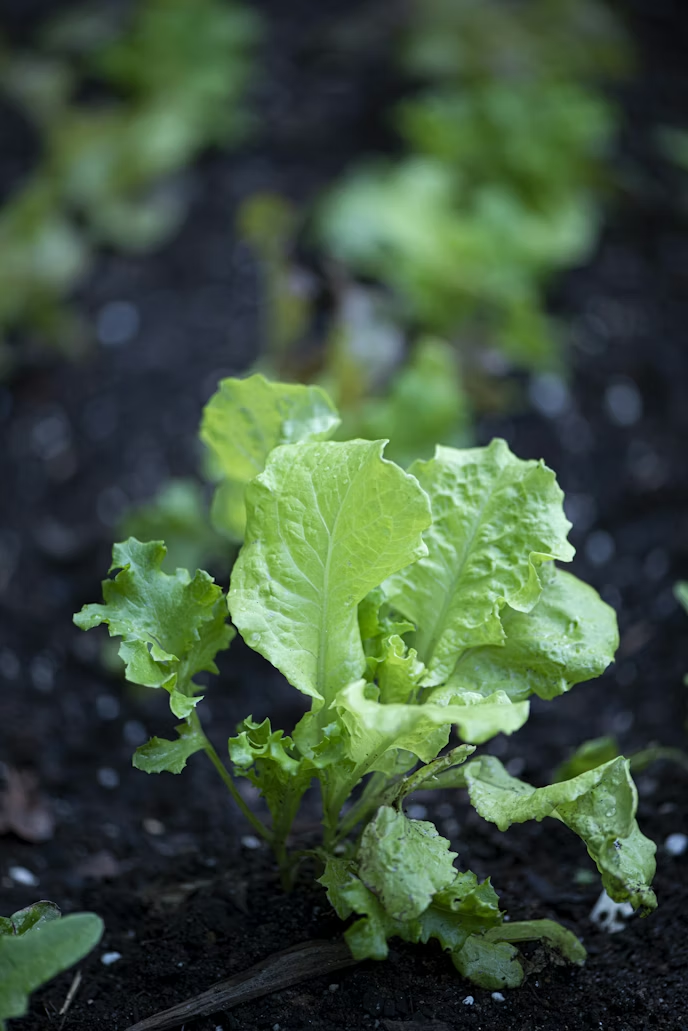
The phrase “cut-and-come-again” was something a neighbor used when she handed me a small bag of mixed lettuce seeds. I had no idea what it meant at the time.
It means you cut the outer leaves off, and the plant keeps growing more. You’re essentially harvesting the same plant multiple times over several weeks. For a small-space gardener, this is a game-changer because you’re getting maximum output from minimum space.
Lettuce grows beautifully in spring and autumn. It struggles in the height of summer because heat causes it to bolt — it shoots up, turns bitter, and flowers almost overnight. I made that mistake in July and ended up with a pot full of tall, inedible plants that looked nothing like salad greens. Lesson learned.
Best varieties for containers:
| Variety | Days to Harvest | Space Needed | Notes |
|---|---|---|---|
| Butterhead | 55–65 days | Medium pot | Soft leaves, great flavor |
| Loose-leaf mix | 30–45 days | Shallow tray | Best for cut-and-come-again |
| Romaine | 70–75 days | Deeper pot | Upright growth, compact |
| Oakleaf | 40–50 days | Any container | Very forgiving for beginners |
The loose-leaf mixes are my personal favorite for small spaces. You can start harvesting within a month, and a single tray near a sunny window gives you enough greens for salads two to three times a week.
For layout ideas that help you fit more growing variety into a tight space, 10 Balcony Layout Ideas for a Smarter Outdoor Space is genuinely worth a read — it helped me rethink how I was arranging my containers.
3. Cherry Tomatoes — Summer’s Most Rewarding Container Plant
Okay, I know what you’re thinking. Tomatoes? In a small space? Aren’t those huge plants?
Full-sized tomatoes, yes. They need big deep containers, lots of support, and a ton of sunlight. But cherry tomato varieties — specifically compact or “determinate” types like Tumbling Tom, Tiny Tim, or Balcony Red — were basically designed for container growing. I grew Tumbling Tom in a hanging basket one summer and it was genuinely one of the most beautiful and productive things I’ve ever grown.
Cherry tomatoes are a summer crop. They need warmth, consistent sunlight (ideally 6–8 hours a day), and decent watering. What they give back is extraordinary — once they start producing, you’re picking little handfuls of sweet tomatoes every few days for weeks.
What you actually need:
- A container at least 12 inches deep (bigger is better — I use 5-gallon buckets)
- A stake or small trellis for support unless you’re growing a trailing variety
- A sunny spot — this is non-negotiable
- Consistent watering — tomatoes hate going from bone dry to soaking wet. It causes the fruit to crack.
- A basic liquid fertilizer every two weeks once flowers appear
One mistake I made early on: I didn’t pinch out the “suckers” (the small shoots that grow in the joint between the stem and a branch). They don’t affect small determinate varieties much, but on larger plants they drain energy from fruit production. Now I take five minutes every week to check for them.
The other thing nobody mentions enough: pollination. On a balcony, you might not have many bees. Gently shake the plant every couple of days when it’s flowering, or use a small paintbrush to transfer pollen between flowers. It makes a noticeable difference in how many fruits you get.
4. Spinach — The Cold-Weather Workhorse That Most People Overlook
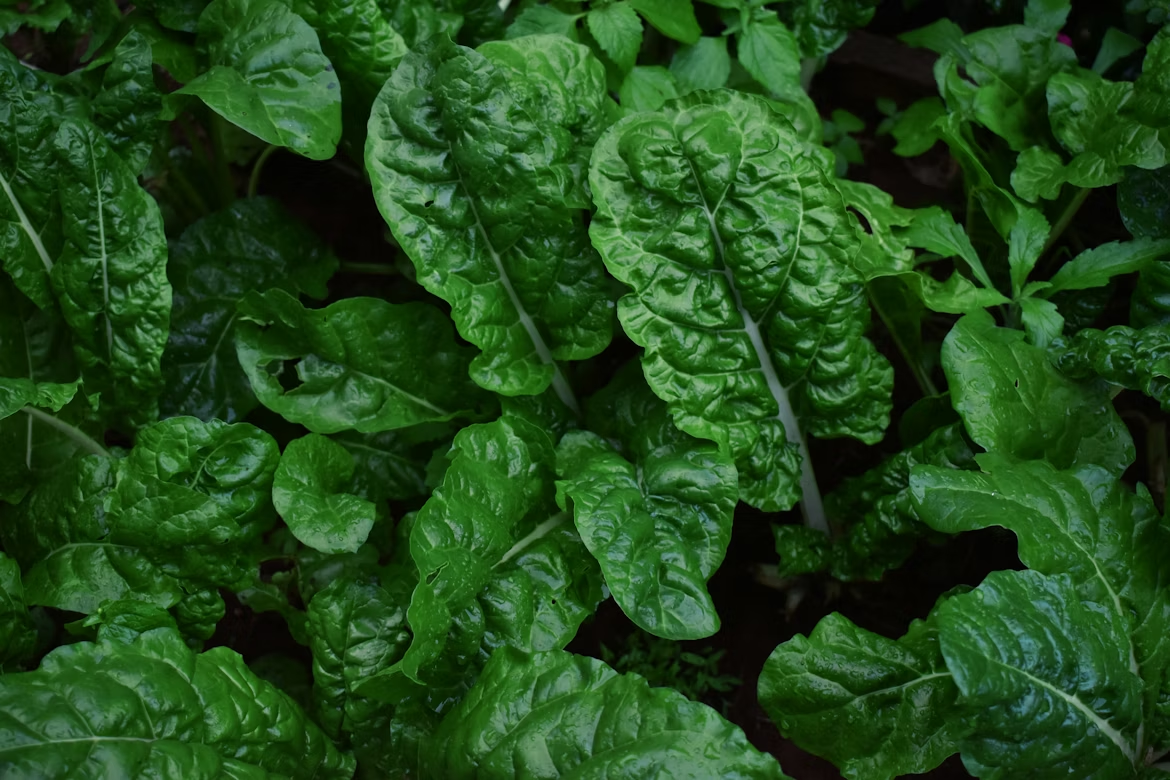
Spinach is underrated. I said it.
While everyone’s obsessing over tomatoes and peppers in summer, spinach is quietly thriving in autumn and early spring when your balcony would otherwise be sitting empty. It actually prefers cooler temperatures — somewhere between 10°C and 18°C is its sweet spot. Mine grew the best in late September and October, when everything else was winding down.
It’s also incredibly compact. Spinach has a shallow root system, grows low to the ground, and doesn’t sprawl. You can grow a surprisingly productive crop in a container that’s just 8 inches deep.
I grew mine in a recycled wooden crate lined with landscape fabric. It looked great, held the soil well, and the spinach filled it beautifully within about six weeks.
Growing spinach in containers — what works:
- Sow seeds directly into the container, about an inch apart
- Thin seedlings to 3–4 inches apart once they’re established (eat the thinnings — they’re delicious)
- Water regularly but don’t let it sit in wet soil
- Harvest outer leaves continuously to keep the plant producing
- Once temperatures rise above 25°C, it will bolt — harvest everything before then
One thing I didn’t expect: spinach actually tastes better after a light frost. The cold converts some of the starch to sugar, which gives it a slightly sweeter, milder flavor. I had no idea until I tasted it and thought something was wrong, then looked it up.
If you’re trying to keep your balcony productive through cooler months, The 8 Ultimate Cold Weather Tricks That Can Keep Your Garden Alive All Winter has some smart strategies for extending your growing season into the colder months.
5. Herbs (Especially Basil, Mint, and Coriander) — Small Pots, Big Impact
I saved herbs for last not because they’re least important, but because they deserve more credit than they usually get.
Herbs are the perfect small-space seasonal plants. They’re fast-growing, intensely useful in the kitchen, forgiving of beginner mistakes (well, most of them), and you can grow three or four different varieties in the same amount of space a single pepper plant would need.
Here’s how each of the main three performs seasonally:
Basil — Summer plant. Loves heat, hates cold. A single 6-inch pot on a sunny windowsill will give you more basil than you can use. The key is to pinch off the flower heads the moment they appear — once basil flowers, the leaves turn bitter and production slows. I check mine every few days in peak season.
Mint — Grows almost year-round in mild climates. It’s a vigorous grower — actually too vigorous. Always keep mint in its own container, because if you plant it with anything else, it will take over. I learned this when my mint absorbed an entire pot that had coriander, chives, and parsley in it. The other herbs simply vanished.
Coriander (Cilantro) — Cool season herb. It bolts fast in summer heat, which is frustrating. But in spring and autumn, it’s lush and productive. The trick is to succession-sow — plant a small batch every two weeks so you always have young plants coming up as the older ones start to bolt.
| Herb | Best Season | Container Size | Sunlight Needed | Harvest Window |
|---|---|---|---|---|
| Basil | Summer | 6–8 inch pot | Full sun (6+ hrs) | 8–10 weeks after planting |
| Mint | Spring/Autumn | Any (keep isolated) | Partial to full sun | Ongoing |
| Coriander | Spring/Autumn | 6 inch pot | Partial sun | 3–4 weeks |
| Parsley | Spring/Autumn | 8 inch pot | Partial sun | 10–12 weeks |
| Chives | Year-round | Any | Full sun | Ongoing |
If you want to get more creative with how you arrange and pair your herbs and vegetables together, 11 Clever Plant Pairings That Make Your Garden Flourish covers some really smart companion planting combinations that genuinely improve growth and reduce pest problems at the same time.
Mistakes to Avoid With Seasonal Planting
A few things I wish someone had told me before my first growing season:
Planting out of season is the most common one. It doesn’t matter how perfect your soil is or how carefully you water — if the temperature isn’t right, most plants either stall, bolt, or simply die. Check your local last frost date and average seasonal temperatures before you buy seeds.
Overplanting in one container — this is tempting when you’re excited, but crowded plants compete for nutrients and water. They end up weaker, more disease-prone, and less productive than if you’d just given each one proper space.
Ignoring container size — shallow-rooted crops like lettuce, radishes, and herbs can get away with smaller pots. But tomatoes and spinach need more depth than people expect. If the container is too small, the plant roots hit the sides and bottom, get stressed, and stop growing properly.
Not hardening off seedlings — if you’ve started seeds indoors and want to move them outside, do it gradually. Put them out for a couple of hours the first day, then increase exposure over a week. Moving them straight from a warm indoor shelf to a breezy balcony is a shock, and they’ll often wilt or stall.
Forgetting that seasons shift — depending on where you live, the growing calendar will be different. A spring crop in a cooler northern climate might not be a spring crop somewhere warmer. Pay attention to your own local conditions rather than following any single guide too rigidly.
A Quick Seasonal Planting Reference
| Season | Best Crops for Small Spaces | Avoid |
|---|---|---|
| Spring | Lettuce, radishes, spinach, coriander, peas | Tomatoes (too cold), basil (needs warmth) |
| Summer | Tomatoes, basil, beans, cucumbers | Lettuce (bolts), spinach (bolts), coriander |
| Autumn | Spinach, lettuce, radishes, kale, mint | Tomatoes (need warmth), basil |
| Winter | Kale, chard, some herbs (indoors) | Most fruiting vegetables |
This table is a general guide. Your specific climate, whether you’re on a shaded north-facing balcony or a sunny rooftop, will shift things a bit. But it gives you a solid starting framework.
The most satisfying thing about growing seasonal plants in a small space isn’t really about the harvest — though eating something you grew yourself is genuinely a different experience. It’s the rhythm you develop. You start noticing the light changing, the temperatures shifting, and you start thinking three or four weeks ahead. What needs to come out soon? What should I be starting now?
That shift from reactive to intentional — from “why did this die?” to “I planned this” — is what makes container gardening genuinely enjoyable rather than just another source of stress.
Start with one or two of these plants this season. Keep notes, even just on your phone. And don’t overthink it. The plants will teach you more than any article ever can.