There’s a particular kind of frustration that hits when you walk out to your balcony on a July morning and find your tomato plant completely wilted — even though you watered it the night before.
That was me, two summers ago. I couldn’t figure it out. The plant had water. It had sun — plenty of sun. It was in a decent-sized pot. And yet it looked like it was giving up on life by 10am every single day.
Turns out, I was thinking about my balcony like a garden in the ground. And a hot-weather balcony is a completely different beast. The heat reflects off walls. Pots heat up like ovens. The wind dries everything out faster than you expect. And what works in spring? Completely falls apart by June.
Once I started treating summer as its own season with its own rules, everything changed. Here’s what actually works.
1. Switch to Watering in the Early Morning — Not the Evening
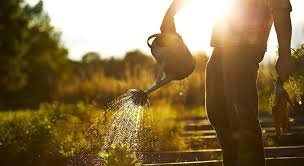
I know evening watering feels logical. It’s cooler, you’re home from work, the sun isn’t beating down. Makes sense, right?
Here’s the problem. On a hot balcony, evening watering leaves moisture sitting on leaves and in the soil overnight with no evaporation happening. That’s a perfect setup for fungal problems — powdery mildew, leaf spot, root rot. I had a courgette plant basically dissolve from the inside out one August because of this exact mistake.
Morning watering wins for a few solid reasons:
- The plant gets hydrated before the heat of the day hits
- Any water on leaves evaporates quickly in the morning sun
- The soil stays moist through the hottest hours
- Roots absorb water more efficiently when temperatures are still moderate
The ideal window: Between 6am and 9am. Before the sun gets high and aggressive.
If mornings genuinely aren’t possible for you, a basic drip irrigation timer — something like the Orbit 62061 or even a cheap generic version from Amazon — can be set to run at 6am without you doing a thing. I use one now and it’s been one of the best small investments I’ve made for the balcony.
2. Insulate Your Pots — Most People Skip This Completely
Here’s something most balcony gardening guides don’t mention: dark plastic pots sitting in direct sun can reach soil temperatures above 50°C (120°F) on a hot day.
At those temperatures, roots literally cook. The plant can look fine from the outside for a day or two, then suddenly crash because the root system has been quietly damaged for weeks.
I noticed this when I moved one of my pepper plants into a terracotta pot and it immediately started doing better than the identical plant still in a black plastic container. The terracotta breathes and stays noticeably cooler.
Ways to protect your pots from heat:
- Use light-coloured or terracotta pots — they reflect heat instead of absorbing it
- Wrap dark pots in hessian fabric or burlap (ugly but effective)
- Double-pot: place the growing pot inside a slightly larger decorative one — the air gap insulates
- Move pots against a shaded wall during the worst afternoon heat
- Place pots on a wooden or rubber mat rather than bare concrete, which radiates stored heat upward
The double-potting trick in particular made a huge difference for my herbs. Basil especially — it was going limp every afternoon until I started insulating the pot.
3. Mulch the Top of Your Containers — Yes, Even Small Ones
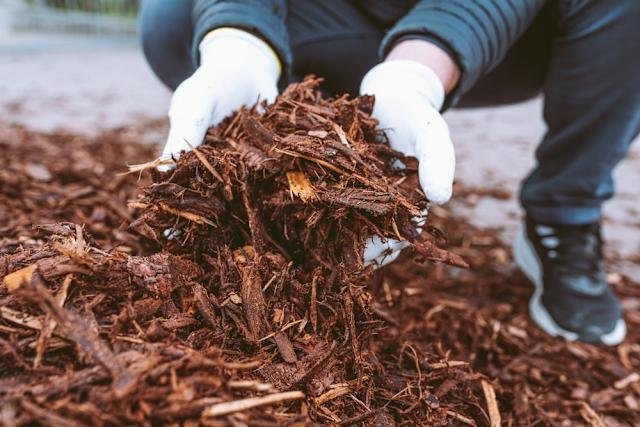
Mulching feels like something you do in a big garden, not a 10-inch pot on a balcony. But it’s genuinely one of the best things you can do in summer heat.
A thin layer of mulch on top of container soil does two things: it slows water evaporation dramatically, and it keeps the soil surface temperature lower. Both matter a lot when it’s 38°C outside and your balcony is acting like a solar oven.
What I use:
- Straw or hay — cheap, lightweight, works well
- Coco coir — looks neat, holds moisture, great for smaller pots
- Pebbles or small gravel — decorative and functional, especially for succulents and herbs
- Shredded dried leaves — free if you have access to them
Just 2–3cm of any of these on top of your soil can reduce how often you need to water by 30–40%. That’s a real number — I tracked it one summer out of curiosity by monitoring two identical mint pots, one mulched and one not.
The unmulched pot needed water every single day. The mulched one went 2–3 days between waterings in the same conditions.
4. Know Which Crops Actually Thrive in Heat (And Ditch the Ones That Don’t)
Fighting your climate is exhausting and usually pointless. Some plants genuinely love hot weather. Others suffer through it and produce nothing useful.
This was a lesson I learned after spending an entire summer trying to keep lettuce going in peak heat. It kept bolting — shooting up a flower stalk and turning bitter — no matter what I did. Lettuce is a cool-season crop. It’s not built for a hot balcony in July.
Hot weather winners for balconies:
| Plant | Why It Works in Heat |
|---|---|
| Cherry tomatoes | Love full sun, very productive |
| Chillies & peppers | Thrive in heat, compact varieties available |
| Basil | Actually grows faster in warmth |
| Okra | Genuinely loves hot conditions |
| Sweet potato leaves | Grow aggressively in heat |
| Amaranth | Drought-tolerant and edible |
| Beans (climbing) | Fast growing, use vertical space |
Cool-season crops to save for autumn:
| Plant | Problem in Heat |
|---|---|
| Lettuce | Bolts quickly, turns bitter |
| Spinach | Bolts, loses quality |
| Broccoli | Won’t form heads properly |
| Peas | Stop producing above ~25°C |
| Coriander (cilantro) | Bolts within days in peak heat |
If you want to plan this properly across the whole year, 11 Clever Planting Calendars That Remove the Guesswork From Gardening is genuinely worth bookmarking — it takes the seasonal confusion out of deciding what to grow and when.
Working with your season instead of against it means you actually get food from your balcony, rather than spending money on plants that give you nothing.
5. Create Shade — Strategically, Not Just Anywhere
Full sun is great for some plants, but a west-facing balcony getting six hours of direct afternoon sun in summer is genuinely brutal. I had one like this for a year and it required rethinking almost everything.
The answer isn’t to give up on growing — it’s to create smart shade.
Options that actually work:
A shade cloth (30–50% shade rating) stretched above the growing area is the most effective solution. You can find these on Amazon or at garden centres for very little. They clip onto railing posts or can be hung with S-hooks from a ceiling beam.
Taller plants providing shade for shorter ones is a beautiful, free solution. I grew a climbing bean on a trellis at the back of my balcony one summer, and it naturally shaded a row of smaller herb pots in front of it during the worst afternoon heat.
Bamboo screens or reed fencing attached to railings cut wind and filter harsh light simultaneously. They also look genuinely nice and add a bit of privacy.
The key is timing. Most edible plants need morning sun and can handle light afternoon shade. Protecting them from 2pm–5pm heat is usually enough to make a significant difference in how they perform.
One thing I’d caution against: putting everything in deep shade thinking you’re protecting it. I did this with tomatoes one summer — shaded them so much they stopped producing. They still need good light. It’s a balance.
6. Fertilize Differently in Summer — Less Often, Not More
There’s a tempting logic that says: it’s summer, plants are growing fast, they need more food. So you fertilize more.
This is actually backwards.
When plants are heat-stressed — and most balcony plants are heat-stressed in peak summer — they’re not actively growing at full speed. Pumping fertilizer into a stressed plant is like offering a big meal to someone running a fever. The system isn’t ready to process it.
What happens when you over-fertilize in summer heat:
- Fertilizer salts build up in the soil (you’ll see white crust on the surface)
- Roots get chemically burned
- Leaves show brown, crispy edges
- The plant looks worse, not better
What actually works in hot weather:
- Reduce fertilizer frequency — every 3–4 weeks instead of every 2
- Use half the recommended dose of any liquid fertilizer
- Switch to seaweed or fish emulsion — gentler on stressed plants than synthetic options
- Water thoroughly before fertilizing — never fertilize into dry soil in summer
The 9 Powerful Fertilizer Tricks That Actually Work article goes much deeper on this and covers some approaches I hadn’t tried — including some timing tricks that genuinely boosted my late-summer harvests.
If your plants are looking stressed and you’re not sure why, fertilizer is often actually the last thing to add. Fix the watering and temperature situation first.
7. Watch for Heat-Specific Pests and Act Fast
Hot, dry conditions bring a specific set of pest problems that you won’t see as much in cooler months. And they move fast when temperatures are high.
The two I battle every summer without fail:
Spider mites — These thrive in hot, dry conditions. You’ll notice fine webbing on the underside of leaves, along with tiny yellow speckles on the leaf surface. They can defoliate a plant surprisingly quickly if left unchecked.
My fix: Regular misting of leaf undersides (they hate humidity), and a simple neem oil spray every week or two as a preventative. Mix about 5ml neem oil with a drop of dish soap in a litre of water. Spray in the evening, not in direct sun.
Aphids — They love stressed plants, and hot-weather stress makes your plants prime targets. Check the growing tips and undersides of leaves. A strong blast of water knocks most of them off. For persistent colonies, the same diluted neem oil spray works well.
What to watch for specifically in heat:
| Pest | Signs | Quick Fix |
|---|---|---|
| Spider mites | Fine webbing, yellow spots | Mist leaves, neem oil spray |
| Aphids | Sticky residue, curled tips | Water blast, neem oil |
| Whiteflies | Cloud of white when disturbed | Yellow sticky traps |
| Thrips | Silver streaking on leaves | Neem oil, remove affected leaves |
The important thing is checking regularly. In summer, pest populations can double in just a few days. Something you barely notice on Monday can be a serious infestation by Friday.
I do a quick visual check every 2–3 days during peak summer — literally just 5 minutes walking the balcony and flipping a few leaves. Catching things early makes the difference between a quick neem spray and losing a plant entirely.
For more natural approaches to keeping your balcony pest-free, 5 Simple Pest Control Tips to Keep Bugs Out for Good has some solid non-chemical options worth trying.
The Biggest Summer Mistakes to Avoid
Before you head out to the balcony with all of this fresh in mind, here are the traps I see people falling into repeatedly (including myself, before I knew better):
Overwatering because it’s hot. More heat does not automatically mean more water. Always check the soil first. Soggy soil in high heat is actually worse than dry soil — it suffocates roots.
Planting cool-season crops in midsummer. They won’t perform. Save your energy and wait for cooler weather.
Ignoring reflected heat from walls and floors. A south-facing balcony with a white-painted wall behind it can be significantly hotter than the actual air temperature. Account for it.
Watering the leaves instead of the roots in full sun. Water droplets on leaves in direct midday sun can act like tiny magnifying glasses and cause leaf scorch. Always water at the base.
Not moving pots when a heatwave hits. One of the best things about container gardening is mobility. If a brutal few days of heat are coming, move vulnerable plants to shadier spots temporarily. Use it.
A Seasonal Snapshot: What to Focus on Each Hot Month
| Month | Priority Focus |
|---|---|
| Early summer | Set up shade, switch to morning watering |
| Peak summer | Pest monitoring, reduce fertilizer, insulate pots |
| Late summer | Start planning autumn cool-season crops |
| Transitioning out | Deep clean pots, refresh soil for next planting |
Hot weather balcony gardening genuinely rewards the people who adapt rather than fight. The season has real advantages — fast growth, abundant sun, long days. You just have to set your balcony up to handle the intensity.
Once you do that, summer becomes one of the most productive times to grow. My cherry tomatoes in August are genuinely the best thing I eat all year. Worth every bit of effort.
Also worth exploring: If you want to take your balcony setup further and build something that actually works across all seasons, The 7 Hacks You Need for an Essential Balcony Setup covers the foundational decisions that make everything else easier — from layout to container choice to the small structural changes that pay off long-term.