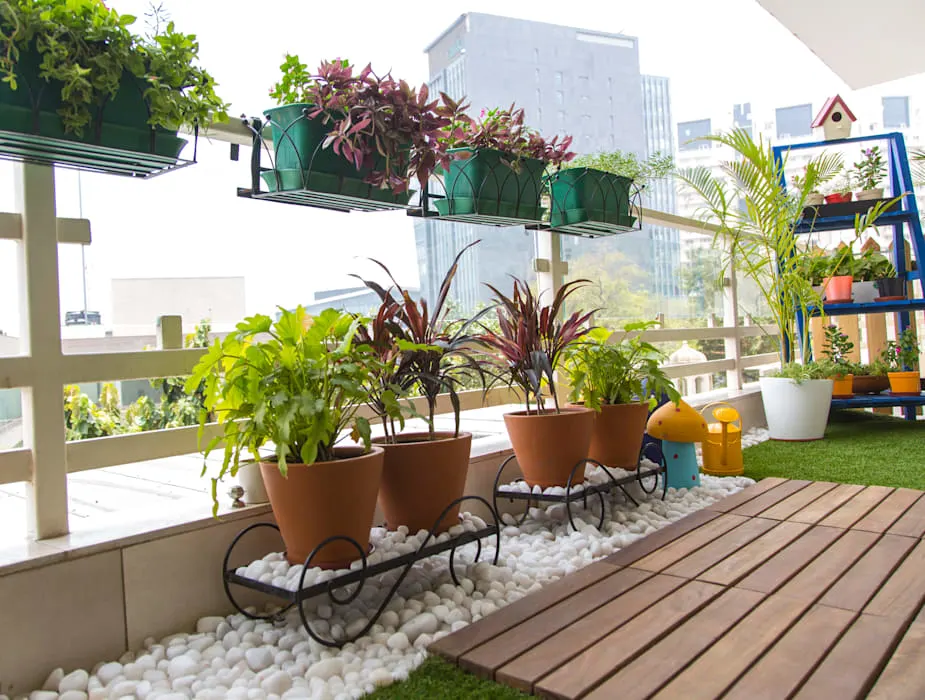
There’s a specific kind of disappointment that hits when you walk out onto your balcony in early spring and realize everything still looks exactly like it did in November. Brown stalks, dusty pots, maybe a dead herb or two you kept meaning to replace. The space that felt so alive a few months ago now just looks tired.
That was me two years ago, standing with a cup of tea, genuinely wondering why I’d bothered setting up a balcony garden at all.
The problem wasn’t that I didn’t care. It was that I was treating my balcony like a static space — set it up once, leave it alone, wonder why it looks bad. Once I started making small, intentional seasonal changes instead, the whole thing transformed. Not expensive changes, not a full redesign every three months. Just the right swaps at the right time.
Here’s what actually worked.
1. Spring: The “Reset and Refresh” Swap
Spring is the season most people get excited about, and also the season where the most common mistake happens — buying new plants before dealing with what’s already there.
I did this for two seasons straight. I’d go to the garden center, get excited, buy a bunch of fresh seedlings, come home, and cram them into the same old pots with the same old soil that had been sitting there since October. Then I’d wonder why the new plants never really took off.
The soil was exhausted. After a full growing season, potting mix loses a lot of its nutrient content and structure. It compacts, drains poorly, and basically becomes a hostile environment for new roots. Starting spring without refreshing your soil is like trying to cook a great meal in a dirty, empty pan.
What I do now every spring:
The first thing is to empty at least half your containers completely. Tip out the old mix, give the pots a rinse (a 1:10 bleach-water solution kills any lingering fungal issues), and let them dry. Then refill with a fresh mix — I use a basic multipurpose compost blended with about 20% perlite for drainage.
If you want to understand exactly what goes into a good potting mix, 8 Ultimate Soil Mix Tips Every Gardener Needs to Know breaks it down really clearly and helped me stop wasting money on the wrong bags.
For plants, spring is the time to swap in fast-growing, cool-season crops before the heat arrives. Lettuce, spinach, peas, and herbs like coriander and parsley all love the mild temperatures of early spring. They establish quickly, give you something to harvest within weeks, and they look genuinely lush in a way that instantly lifts the whole balcony aesthetic.
One unexpected thing I discovered: adding just a few flowering plants among your edibles does something to the visual energy of the space. A couple of pansies or violas in the corners cost almost nothing and make the whole balcony look intentional rather than functional. It’s a small detail that makes a real difference when you’re actually spending time out there.
Timing tip: Don’t rush. A lot of people plant too early in spring and then lose everything to a late frost. Check your last frost date for your area — apps like Planta or even just a quick search for your city give you a reliable window. I’ve lost basil seedlings twice to impatience. It stings every time.
2. Summer: Shade, Heat Protection, and the Swap to Heat-Lovers
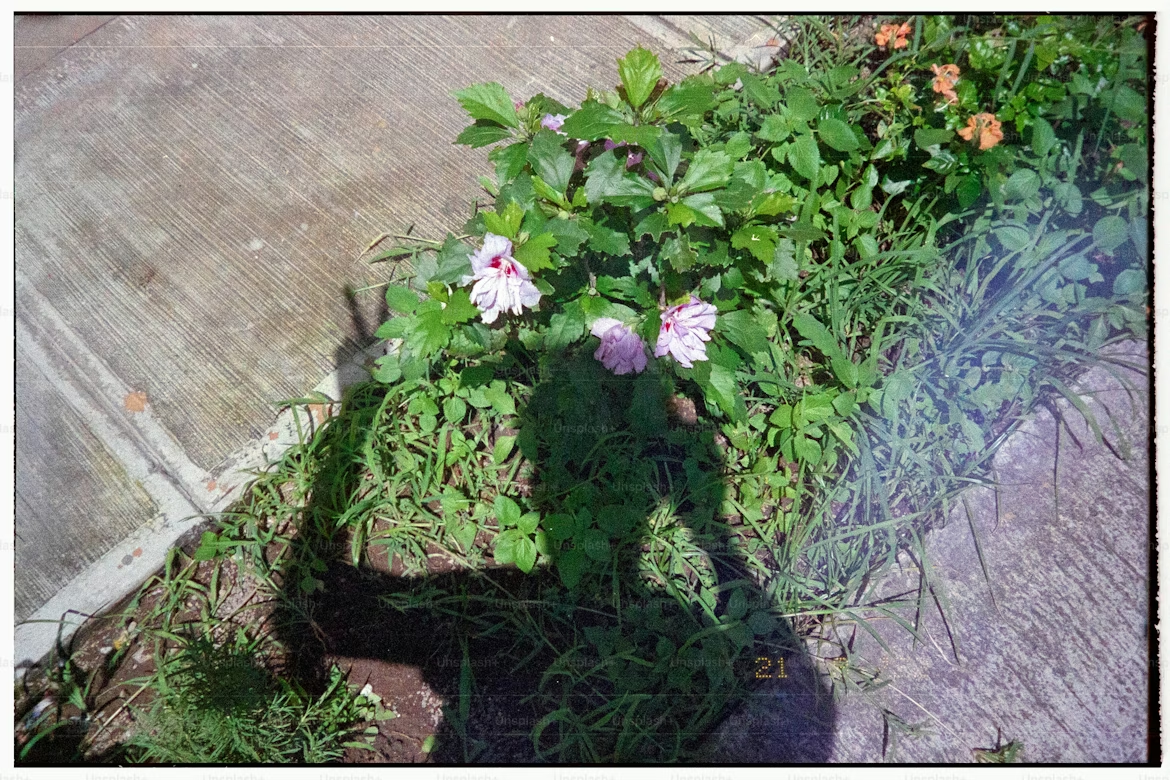
Summer on a balcony can be brutal, depending on your orientation. My balcony faces west, which means it gets full afternoon sun from about 1pm onwards. In July and August, that’s essentially a slow cooker situation. I lost two consecutive rounds of lettuce before I understood what was happening — they were bolting (going to seed and turning bitter) within weeks of planting because of the heat stress.
The summer seasonal change isn’t just about what you plant. It’s also about managing your environment.
The shade cloth change:
This was the single biggest practical improvement I made for summer. A simple shade cloth — the kind you can find at most garden centers or order online for around $15–20 — stretched across the sunniest part of my balcony reduced the temperature in that zone noticeably. My thermometer showed a 6–8 degree Celsius drop on the hottest days, which is the difference between thriving plants and crispy ones.
I use a 30% shade cloth, which blocks about a third of direct sunlight while still letting plenty through. Attach it with bungee cords or clip hooks to your railing — no drilling, no damage to the balcony structure.
The plant swap:
Spring’s cool-season crops have to go in summer. Swap them out for heat-lovers: cherry tomatoes, chillies, basil, eggplant, and trailing herbs like thyme and oregano. These plants actively want the heat and will reward you for it.
Cherry tomatoes especially are a summer balcony essential. A single plant in a 30–40cm pot, trained up a bamboo cane or small trellis, can produce fruit from mid-summer through early autumn. The visual impact of a loaded tomato plant on a balcony is genuinely impressive — it’s the kind of thing that makes visitors stop and actually look.
Watering reality check:
Summer is also when your watering routine needs to shift significantly. What worked in spring — maybe watering every other day — will not be enough in peak summer. I water my containers every morning during July and August, and on particularly hot days I do a second light watering in the early evening. Not at midday, because water droplets on leaves in direct sun can cause scorch marks.
The plastic bottle self-watering trick (if you’ve read my other pieces, you’ll know I swear by this) is particularly valuable during summer holidays. If you’re going away for a few days, set up a couple of inverted bottles per large container before you leave. They won’t cover a week-long absence but they’ll easily carry your plants through 3–4 days without any stress.
Quick Seasonal Plant Reference Table
| Season | Best Balcony Plants | Avoid | Key Change to Make |
|---|---|---|---|
| Spring | Lettuce, peas, coriander, pansies | Basil (too cold) | Refresh soil, clean pots |
| Summer | Tomatoes, chillies, basil, eggplant | Lettuce (bolts) | Add shade cloth, increase watering |
| Autumn | Kale, spinach, Swiss chard, chrysanthemums | Tomatoes (slow down) | Swap to cool-season crops, reduce watering |
| Winter | Dwarf conifers, pansies, ornamental cabbage | Most edibles | Focus on structure and evergreens |
3. Autumn: The Colour Transition That Most People Skip

Autumn is the season I used to completely ignore on my balcony. In my head, it was just the sad period between summer’s abundance and winter’s emptiness. I’d let the tomato plants limp along well past their best, the whole space looking increasingly ragged, until I finally ripped everything out in November.
That’s such a waste of a genuinely beautiful growing season.
The autumn seasonal change is really two things happening at once: saying goodbye to summer plants at the right moment, and introducing a new layer of colour and texture that actually makes autumn one of the best-looking balcony seasons if you do it right.
When to pull summer plants:
The moment your tomato or chilli plants stop producing new flowers, their season is effectively over. They might still have some fruit ripening — let that happen — but once a plant is just sitting there looking scraggly and not flowering, it’s drawing energy and taking up space. Pull it, add the soil to your compost, and reclaim that container.
I know it feels wasteful. I kept a tomato plant going until late October once because I felt guilty about removing it. It looked terrible, produced nothing, and I just wasted a whole autumn not having that container available for something better.
The autumn plant swap:
Kale is the single best balcony plant for autumn that most beginners overlook. It grows fast, looks dramatic with its big structural leaves, tolerates cold well, and you can harvest from it for months. A couple of large kale plants in generous pots anchor the whole balcony visually and practically.
Pair them with ornamental flowering plants for colour: chrysanthemums in deep oranges and reds, or winter pansies in purples and yellows. These are incredibly cheap to buy at this time of year — most garden centers sell them in multi-packs for very little — and they absolutely transform the feel of the space.
Swiss chard is another autumn winner. The coloured varieties (stems in red, yellow, and orange) are genuinely beautiful as well as edible. I grow them as much for the look as the harvest.
If you’re wondering how to keep things productive right through the colder months, 4 Fast Year-Round Crops That Keep Your Garden Producing All the Time has a really practical breakdown that shifted how I think about autumn and winter growing.
One mistake I kept making in autumn: Not protecting young plants from early cold snaps. A sudden cold night in October can knock back newly planted seedlings significantly. Keep a roll of horticultural fleece handy — it costs almost nothing and you just drape it loosely over plants on nights when temperature drops are forecast. Take it off in the morning. Simple and effective.
4. Winter: Structure Over Abundance
This is the seasonal change that took me the longest to make peace with, because it requires completely reframing what a balcony garden is supposed to do in winter.
In winter, you’re not growing for abundance. You’re maintaining presence — keeping the space looking intentional and alive even when very little is actually growing. This mindset shift changes everything about how you approach winter balcony changes.
The structural swap:
The best thing I ever did for my winter balcony was invest in two small dwarf conifers in attractive pots. I bought them in autumn from a local nursery — the squat, globe-shaped variety — and they’ve been on my balcony for three winters now. They never need replacing, they always look good, and they provide a visual anchor that makes everything around them look more considered.
Around those, I arrange pots of winter-hardy pansies, ornamental cabbage (the ones with purple and white patterned leaves — genuinely striking), and small clusters of heather. None of these are expensive. The total cost to set up my winter balcony the first time was less than what I’d previously spent on plants that died in November.
Colour in an unexpected place:
One thing that surprised me was how much impact container choice makes in winter when there’s less foliage to look at. In summer, you barely notice the pots because the plants are full. In winter, the containers themselves become part of the visual. I switched two of my basic plastic pots for simple terracotta ones — bought secondhand from a local Facebook Marketplace listing — and the whole balcony immediately looked more intentional.
Grouping pots also matters more in winter. Clustering them together in odd numbers (three or five looks better than two or four, for some visual design reason I don’t fully understand but definitely observe) creates a sense of arrangement rather than randomness.
For more ideas on making a small space work visually in every season, 10 Balcony Layout Ideas for a Smarter Outdoor Space has some genuinely practical layout principles that I came back to when redesigning my winter setup.
Winter maintenance — what actually needs doing:
Very little, which is honestly one of winter’s quiet pleasures. Water only when the soil is dry to the touch — most winter plants need far less than you’d think, and overwatering in cold weather is one of the fastest ways to kill them. Check for waterlogged pots after heavy rain and make sure drainage holes aren’t blocked.
Give your containers a bit of protection from frost by lifting them slightly off the balcony floor — pot feet or even a piece of wood underneath creates an air gap that significantly reduces the risk of roots freezing in very cold snaps.
What the Whole Year Actually Looks Like
After two full years of making these seasonal changes deliberately, here’s an honest summary of time investment and results:
| Season | Time to Implement Change | Approximate Cost | Visual Impact |
|---|---|---|---|
| Spring reset | 2–3 hours | $20–35 (fresh soil, plants) | High — fresh and lush |
| Summer swap | 1–2 hours | $15–25 (shade cloth, heat-lovers) | High — productive and full |
| Autumn transition | 2 hours | $10–20 (cool crops, flowering plants) | Medium-high — warm and colourful |
| Winter structure | 1–2 hours (first year), 30 mins after | $20–40 first year, minimal after | Medium — calm and intentional |
The running costs drop significantly after the first year because things like the shade cloth, the dwarf conifers, and good containers are reused. Year two, my seasonal change budget was roughly half what it was in year one.
Mistakes Worth Avoiding
Changing everything at once. Seasonal transitions are more manageable when you treat them as a two-week process rather than a single Saturday. Pull the old plants one weekend, prep the soil and containers the next, plant the new additions the weekend after that.
Ignoring the forecast. So many of my plant losses came from putting something in the ground right before an unseasonal cold snap or heat wave. Check a two-week forecast before committing to a new planting. The BBC Weather app or Weather.com both give solid extended forecasts.
Buying the wrong size for the season. Autumn and winter plants don’t need to be in your largest containers — that’s a waste of good soil. Use medium pots for winter ornamentals and save the big ones for summer’s heavy feeders like tomatoes and peppers.
Forgetting that dead plants cost you twice. Once in purchase price, once in the space and soil they tie up. Pull things that aren’t working sooner rather than later.
The balcony I have now doesn’t look like a neglected afterthought or a static display. It looks different every few months — sometimes abundant and green, sometimes warm and colourful, sometimes quietly structural. People genuinely comment on it, which still catches me off guard.
None of the changes are complicated. They’re just timed right and done with a bit of intention. That’s really all seasonal balcony gardening is.