My first spring as a balcony gardener, I was so excited that I basically threw every seed I owned into pots and waited for magic to happen. Some things grew. Most didn’t. One pot of spinach bolted within three weeks, my tomato seedlings sat completely stunned for a month without growing an inch, and I genuinely couldn’t figure out what I was doing wrong.
The answer, I’d eventually learn, wasn’t one big thing. It was a series of small, very common seasonal mistakes that pile up quietly until your plants just… give up.
The frustrating part? None of these mistakes are obvious when you’re starting out. Nobody hands you a “what not to do by season” guide at the garden center. You just buy plants, bring them home, and learn the hard way.
So here’s that guide — the one I wish I’d had. These are the six seasonal garden mistakes I see beginners make constantly, that I made myself, and that are genuinely easy to fix once you know what to look for.
1. Planting Too Early in Spring (and Paying for It)
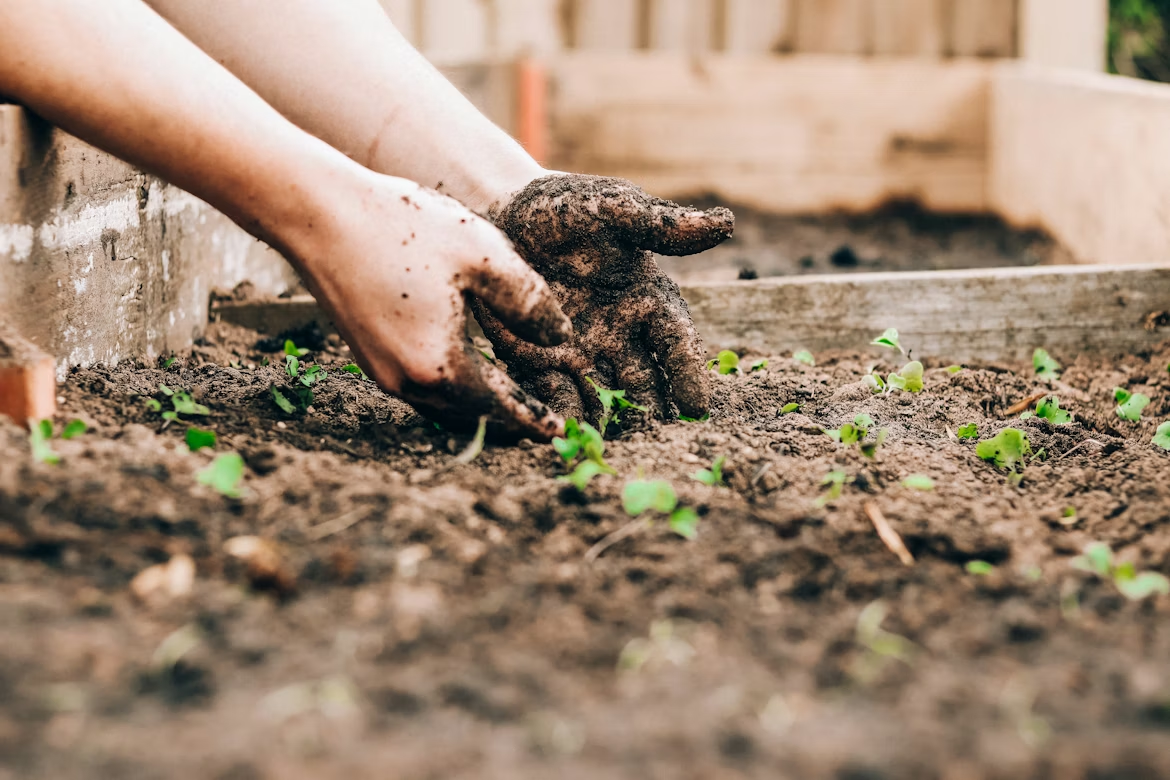
Spring gardening enthusiasm is real and it will absolutely get you into trouble.
The moment temperatures nudge above freezing and you spot the first bit of sunshine, it feels like the green light to plant everything. I’ve done it. Most beginners do it. And then a late frost shows up two weeks later and wipes out half of what you just planted.
The mistake isn’t just about frost, though. Even if frost doesn’t come back, soil that’s too cold — below about 10°C (50°F) — slows root development dramatically. Seeds sit and rot. Transplants just stall. You end up with plants that look alive but aren’t really doing anything for weeks.
What actually works:
- Check your last frost date for your area. Apps like Planter or the website Old Farmer’s Almanac let you enter your location and pull up planting windows based on real frost data.
- Invest in a cheap soil thermometer. They cost almost nothing and remove all the guesswork. Most warm-season crops need soil temps of at least 15–18°C before they’ll thrive.
- If you’re eager to start early (totally valid), start seeds indoors 4–6 weeks before your last frost date, then transplant when conditions are actually right.
The other spring timing mistake? Planting everything at once. Even if the timing is right, staggering your plantings by two weeks gives you a longer harvest window and means one bad weather event doesn’t wipe out everything simultaneously.
If you’re just getting started and want a solid framework for the season, these 5 simple balcony beginner suggestions for converting any outdoor area into your favourite place are worth a read before you buy a single seed packet.
2. Ignoring Summer Heat Until Plants Are Already Suffering
Summer is where a lot of beginner gardens quietly fall apart. Not dramatically — plants don’t die overnight — but they slowly stop thriving and you can’t quite put your finger on why.
Heat stress is sneaky. It looks like slow growth, flowers dropping before they set fruit, leaves curling slightly at the edges, or just that general “sad plant” look where nothing is visibly wrong but nothing is right either.
The mistake beginners make is treating summer like an extension of spring — same watering schedule, same fertilizer routine, same sun exposure. But summer is fundamentally different, especially in containers where pots heat up far faster than in-ground soil.
Signs your plant is heat-stressed vs just thirsty:
| Symptom | Heat Stress | Thirst |
|---|---|---|
| Leaf curl | Inward curl, especially midday | Drooping downward |
| Timing | Worse at 1–3 PM, recovers by evening | Present all day |
| Soil feel | May still be moist | Bone dry |
| Flower drop | Yes, very common | Rare |
| New growth | Stalled or stunted | Continues if watered |
The fix involves a few things working together: watering in the early morning, providing afternoon shade for heat-sensitive crops, mulching pot surfaces to slow evaporation, and pulling back slightly on fertilizer during peak heat weeks (concentrated nutrients stress already-struggling roots).
Also — and this catches people off guard — some crops just don’t belong in midsummer. Lettuce, spinach, cilantro, and peas are cool-season crops. Planting or trying to keep them going through July is a battle you won’t win. Swap them out for heat-tolerant crops like basil, beans, cucumbers, or cherry tomatoes instead.
3. Not Transitioning Plants Properly Between Seasons
This one almost nobody talks about but it’s responsible for so much confusion and plant loss.
When seasons change, it’s not just temperature that shifts — it’s light duration, intensity, humidity, and soil conditions. Plants that were perfectly happy in May can struggle in September not because something went wrong, but because their environment changed and they weren’t helped through the transition.
The most common version of this I see is what happens to herbs in autumn. Basil, for example, is genuinely not built for temperatures below about 10°C. When nights start cooling down in late summer, basil starts declining fast. Beginners see it blackening and assume disease or pests. It’s just cold damage, and it’s preventable if you move the plant indoors before the temperatures drop — not after.
The reverse happens in spring with indoor seedlings. You nurture them under grow lights or on a windowsill for weeks, then put them straight outside into full sun and wind. The result is “transplant shock” — plants that suddenly look terrible, drop leaves, or stall for weeks. This happens because they’ve never experienced direct outdoor sun, wind, or temperature fluctuations before.
The right way to transition plants outdoors — called “hardening off”:
- Start with 1–2 hours outside in a shaded, sheltered spot.
- Increase outdoor time by an hour or two each day over 7–10 days.
- Gradually introduce more sun and less shelter.
- After 10 days, they’re ready for their permanent outdoor position.
It feels slow but it genuinely prevents weeks of stunted recovery afterward. I skipped this step with my first pepper seedlings and they sat looking miserable for almost a month before they finally adjusted. Doing it properly, my next batch was flowering within two weeks of going outside.
4. Using the Same Watering Routine All Year
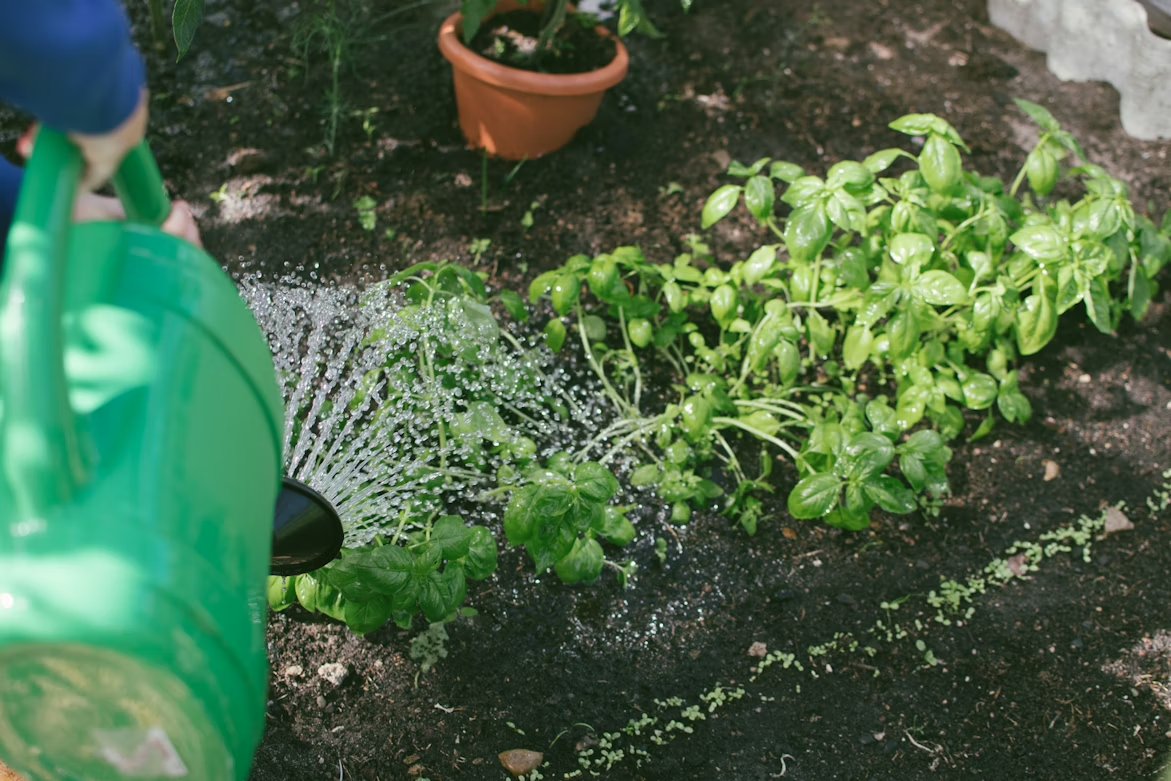
One watering schedule does not fit all seasons. This sounds obvious when you say it out loud, but the number of beginners who water the same amount in October as they did in July is surprisingly high — because nobody really emphasizes how dramatically plant water needs change across the year.
Here’s a rough breakdown of how watering needs shift seasonally for most container gardens:
Seasonal Watering Guide for Container Plants:
| Season | Watering Frequency | Key Consideration |
|---|---|---|
| Spring | Moderate — every 2–3 days | Soil stays wet longer; watch for overwatering |
| Summer | High — daily or every other day | Heat and evaporation are aggressive |
| Autumn | Moderate-low — every 3–4 days | Cooling temps slow evaporation significantly |
| Winter | Low — weekly or less | Most plants semi-dormant; overwatering is the main risk |
Over-watering in autumn and winter is actually one of the most common ways beginners accidentally kill plants that made it through summer just fine. The soil stops drying out as quickly, roots sit in moisture for days, and root rot sets in.
The simple rule: always check before you water. Stick a finger an inch into the soil. If it’s still moist — skip it. The soil moisture, not the calendar, should be driving your watering schedule.
A good set of plant watering rules every owner should follow can make this click in a way that sticks long-term.
5. Skipping Seasonal Soil Refresh and Wondering Why Plants Underperform
Container soil is not permanent. This surprises a lot of beginners who assume that because the pot still has soil in it, everything is fine.
What actually happens over a growing season is that roots deplete the available nutrients, the soil structure breaks down and compacts, pH can drift, and salts from fertilizer build up. A pot that had great soil in spring can be genuinely exhausted by autumn — and planting into it next season without refreshing it sets every new plant up to underperform from day one.
The signs that your soil needs attention:
- Water runs straight through without absorbing (hydrophobic soil)
- Plants grow slowly despite regular feeding
- The soil looks shrunken and pulled away from the sides of the pot
- You notice a white crusty residue on the soil surface (salt buildup)
My seasonal soil reset routine:
- At the end of each season, remove old plant material completely — roots, stems, everything.
- Tip the old soil into a bucket and assess it. If it still has decent structure, mix in 25–30% fresh compost or worm castings and a handful of perlite to restore aeration.
- If it’s very compacted or has visible salt crust, replace it entirely or use it as a garden bed amendment elsewhere.
- For pots that had diseased plants, don’t reuse that soil in containers — you’ll just reintroduce the problem.
This takes maybe 20 minutes per pot and it makes a noticeable difference in how quickly new plants establish themselves. Pair it with good container technique — drainage, appropriate pot size, the right mix — and your seasonal results improve dramatically. The 6 container secrets for game-changing gardening covers this side of things really well if you want to go deeper.
6. Not Planning for What Comes Next Season
This is the mistake that feels the least urgent in the moment but creates the most frustration later.
Most beginners garden reactively — they deal with whatever the current season needs and don’t think much further ahead. Then autumn arrives and they have no cool-season crops ready, or winter hits and nothing is set up to survive it, or spring comes and they’re starting from scratch again instead of building on what they had.
Seasonal gardening, especially in small spaces, rewards planning more than almost anything else. Not complicated planning — just thinking one season ahead.
A simple seasonal planning rhythm:
- In summer: Order seeds for autumn crops. Start thinking about what you want to overwinter.
- In autumn: Plant winter-hardy crops (kale, chard, certain lettuces). Move tender perennials indoors before the first cold snap.
- In winter: Review what worked and what didn’t. Order seeds for spring. Start slow-growing plants under lights if you have them.
- In spring: Use the notes from winter to avoid repeating the same mistakes.
A physical notebook works fine for this. So does a simple spreadsheet or the notes app on your phone. Some gardeners swear by the Planter app which lets you map out your space digitally and tracks planting dates per crop.
The biggest win here isn’t having a perfect plan — it’s having any plan. Even a rough list of “I want to grow X in autumn and Y in winter” means you won’t hit October with empty pots and zero seeds, wondering where the growing season went.
Using a clever planting calendar that removes the guesswork from gardening is genuinely one of the best things a beginner can add to their routine. It turns seasonal timing from something stressful into something almost automatic.
Quick Reference: Seasonal Mistake Cheat Sheet
| Mistake | Season It Hits Hardest | The Fix |
|---|---|---|
| Planting too early | Spring | Check soil temp + last frost date |
| Ignoring heat stress | Summer | Shade, mulch, morning watering |
| No seasonal transitions | Spring/Autumn | Harden off seedlings; bring in tender plants early |
| Same watering year-round | Autumn/Winter | Check soil moisture before every watering |
| Never refreshing soil | Every season change | Amend or replace container soil each season |
| No forward planning | All year | Plan one season ahead, even roughly |
Final Thoughts
The good news about all six of these mistakes is that none of them require expensive equipment or a complete restart. They’re mostly about timing, observation, and building a few small habits that compound over time.
Seasonal gardening gets a lot easier once you stop treating each season as its own isolated event and start seeing the whole year as one continuous cycle. Each season prepares the ground — literally and figuratively — for the next one.
If you’re still early in your gardening journey and want to build confidence before tackling seasonal planning, start with the basics: these 10 easy wins for beginners that make balcony gardening stick will give you a solid foundation to build everything else on.