I’ll be honest — when I first started growing plants on my balcony, I killed three pots within two weeks. Overwatered one, forgot the other, and the third just… gave up on me. Sound familiar?
The problem wasn’t that I didn’t care. It was that I picked the wrong plants. I was growing things that needed constant attention, perfect soil, and specific watering schedules — none of which I could realistically commit to with a busy life and a tiny outdoor space.
That’s when I started hunting for plants that are basically designed to survive neglect. Low-maintenance, compact, and actually useful or pretty (or both). What I found changed my whole balcony setup.
Here’s what made the cut after years of trial, error, and embarrassing plant funerals.
1. Mint — The Plant That Almost Grows Itself
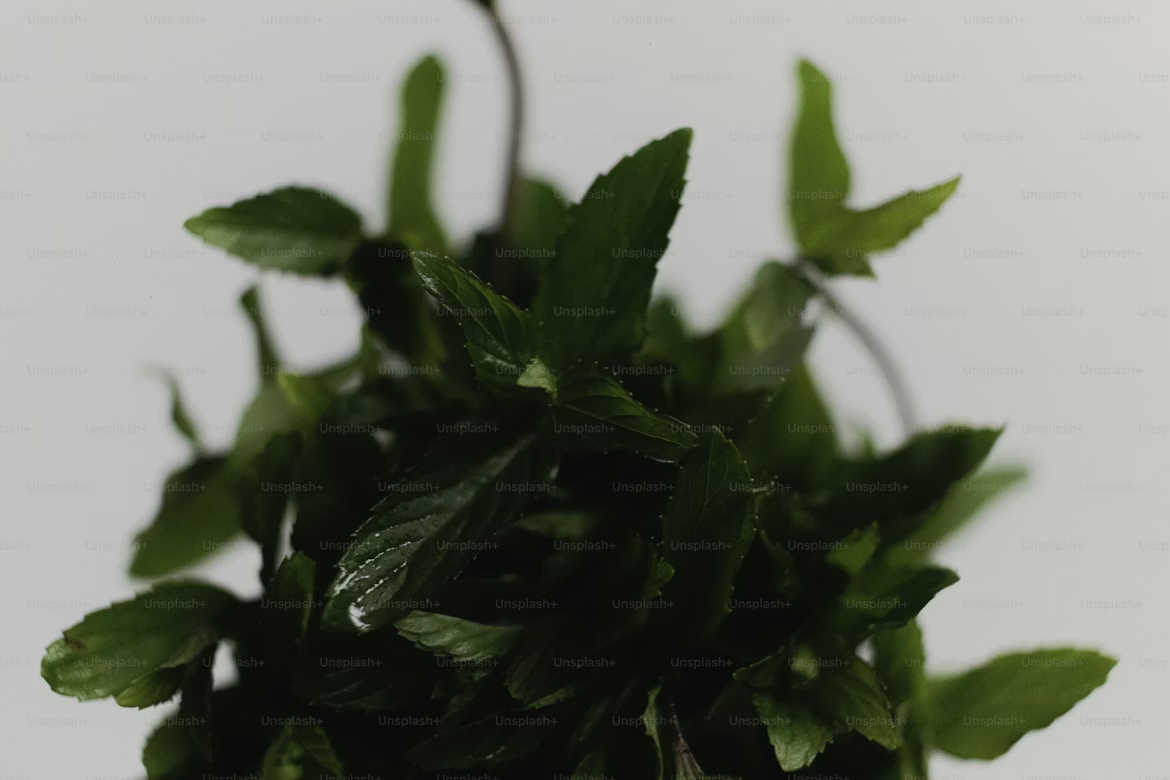
If you want one plant that’ll make you feel like a gardening genius, start with mint. I threw a small mint cutting into a pot with whatever soil I had lying around, watered it twice a week, and within three weeks it had taken over the entire container.
That’s actually the one thing to watch — mint spreads aggressively. Always grow it in its own pot. Don’t plant it next to anything else unless you want mint everywhere (which honestly, some days I don’t mind).
Why it works for small spaces:
- Grows happily in a 6–8 inch pot
- Tolerates partial shade — no south-facing balcony required
- Bounces back even if you forget to water for a few days
- You can harvest from it constantly without harming the plant
I use fresh mint in my evening tea, and honestly it’s the most rewarding thing I grow. The smell alone is worth it.
One mistake I made early on: I planted mint in a shallow tray thinking it’d stay small. Mint does not stay small. Go for a deeper pot — at least 8 inches — so the roots have room and you won’t be repotting every month.
2. Snake Plant (Sansevieria) — Almost Impossible to Kill
I once went on a three-week trip and left my snake plant with zero care instructions for a friend who forgot it existed. I came back to a perfectly healthy plant.
Snake plants are genuinely one of the most forgiving plants on the planet. They store water in their thick leaves, so they can handle drought like champions. Overwatering is the only real way to mess them up — and even then, they’ll give you warning signs before giving up completely.
For small balconies or even indoor-outdoor setups, snake plants are ideal because:
- They grow vertically, not outward — perfect for tight corners
- They thrive in low to medium light
- They only need watering every 2–4 weeks in summer, even less in winter
- They filter indoor air (bonus if you keep them near a window or door)
| Condition | Snake Plant Tolerance |
|---|---|
| Low Light | ✅ Yes |
| Drought | ✅ Excellent |
| High Humidity | ✅ Fine |
| Frost | ❌ No — bring indoors |
| Overwatering | ⚠️ Biggest risk |
I keep one in a tall, narrow pot near my balcony door. It looks architectural — almost like a design choice rather than just a plant. People always ask what it is.
3. Cherry Tomatoes — Small Plant, Big Reward
Okay, hear me out. Cherry tomatoes don’t sound “low maintenance” — but compared to full-size tomatoes, they’re a completely different experience.
I grow a dwarf cherry tomato variety called ‘Tumbling Tom’ in a hanging basket. It cascades down beautifully, produces fruit from early summer through autumn, and doesn’t need staking or pruning the way larger tomato plants do.
If you’re interested in growing your own food without a complex setup, cherry tomatoes are the gateway crop. Check out 7 Easy Crops for Beginners That Will Really Grow – No Green Thumb Needed for more ideas like this.
What keeps cherry tomatoes manageable:
- Compact dwarf varieties fit in 10–12 inch pots
- They self-pollinate — no bees strictly required (a gentle shake of the plant helps)
- They tell you when they’re thirsty (leaves droop slightly — water them and they perk back up within hours)
- Harvesting is genuinely fun — like finding little surprises every day
The biggest mistake beginners make is underwatering. During hot months, tomatoes in containers need daily watering. Set a reminder on your phone if you have to — they’ll thank you with a ridiculously generous harvest.
4. Aloe Vera — The Lazy Gardener’s Best Friend
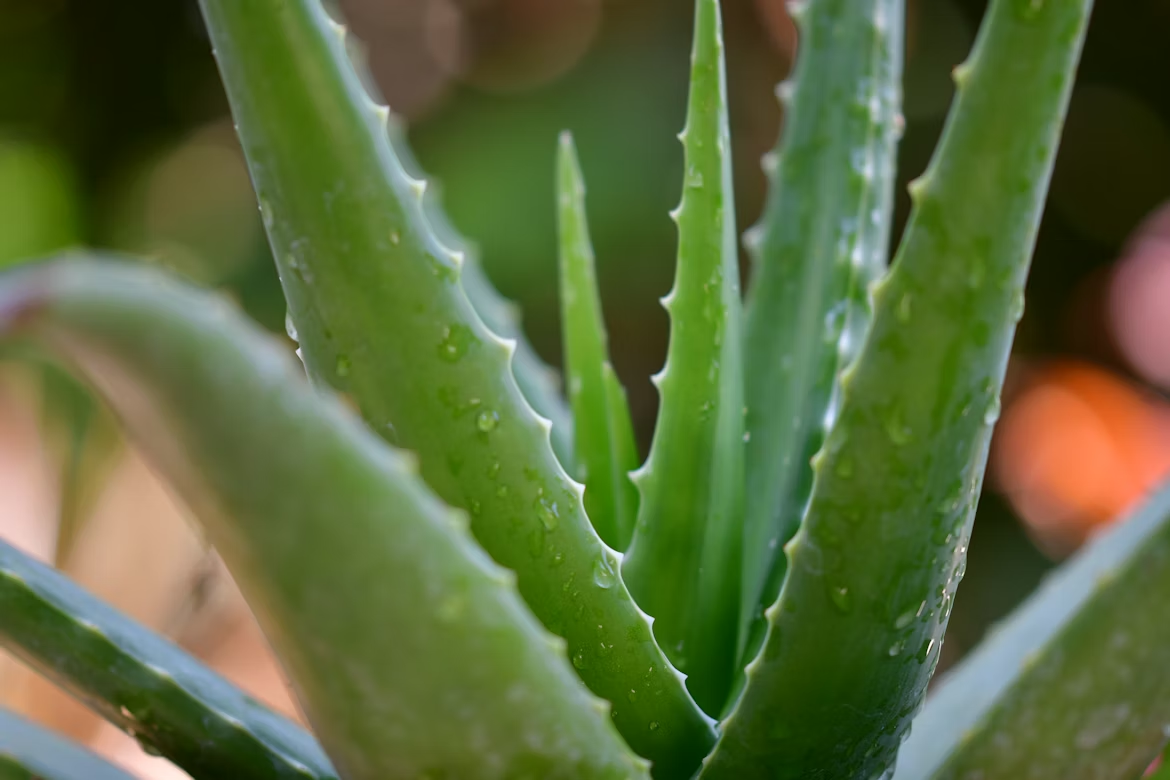
Aloe vera is my desert island plant. I’ve had the same one for four years. It started as a tiny offshoot someone gave me. Now it’s a full, lush plant that’s had about eight “babies” I’ve gifted to friends.
The care routine is embarrassingly simple:
- Water deeply once every 2–3 weeks in summer
- Ignore it in winter — once a month watering is plenty
- Give it bright light — a sunny windowsill or balcony ledge works perfectly
- Don’t fuss with fertilizer — a light feed once in spring is all it needs
Aloe vera also earns its keep. Snap off a leaf and you’ve got a natural gel for sunburns, minor cuts, or even a DIY face mask. It’s the most functional plant I own.
For a small balcony, keep it in a terracotta pot (terracotta dries out faster, which aloe loves) and put it somewhere with at least 4–6 hours of direct sun. That’s genuinely all you need to do.
Common mistake: Potting aloe in a container without drainage holes. This kills it faster than anything else. Always make sure water can escape the pot freely.
5. Herbs Mix (Chives, Thyme, Rosemary) — The Practical Trio
Instead of dedicating separate pots to each herb, I combined three of the most drought-tolerant culinary herbs into a single wide container. This was partly laziness, partly genius — they all have similar water and light needs, so one watering routine covers all three.
Here’s why each one earns its place:
Chives — Grow back after every cut. I use them on eggs, salads, soups. They look like little grassy tufts and take up almost no space.
Thyme — Woody stems, tiny leaves, incredible fragrance. Genuinely thrives on neglect. I’ve barely touched mine and it’s covered in tiny purple flowers right now.
Rosemary — A little slower to establish but once it’s happy, it’s indestructible. It hates being overwatered, which for a forgetful gardener is actually ideal.
If you’re thinking about how to arrange these practically in your space, 10 Balcony Layout Ideas for a Smarter Outdoor Space has some genuinely helpful configurations worth looking at.
Herb Container Setup — Quick Reference:
| Herb | Pot Size | Watering Frequency | Light Needs |
|---|---|---|---|
| Chives | 6 inch | Every 3–4 days | Full or partial sun |
| Thyme | 6–8 inch | Every 5–7 days | Full sun |
| Rosemary | 8–10 inch | Every 7–10 days | Full sun |
Growing these together saves space, simplifies your routine, and keeps you stocked with fresh herbs year-round with almost zero effort after the initial setup.
6. Lavender — Beautiful, Fragrant, and Basically Self-Sufficient
I added lavender to my balcony mostly for the smell. What I didn’t expect was how little it would ask of me in return.
Lavender is a Mediterranean plant, which means it evolved to survive hot, dry summers and poor soil. It actively dislikes rich compost and frequent watering. Once established, it’s happiest when you leave it mostly alone.
For small balcony containers, go for a compact variety like ‘Hidcote’ or ‘Munstead’ — they stay under 40cm tall and don’t outgrow their pots quickly.
Why lavender works so well in small spaces:
- Pollinators love it — bees and butterflies will visit your balcony regularly
- It stays tidy with just one annual haircut after flowering
- The dried flowers can be used in sachets, cooking (lavender shortbread is genuinely incredible), or just left on the plant for visual interest
- It thrives in the kind of gritty, free-draining soil that other plants would struggle in
One unexpected lesson: lavender in a pot dries out faster than in the ground, so during heatwaves you might need to water it every 3–4 days instead of weekly. But outside of scorching summer weeks, it needs very little from you.
For more on how to protect your plants during temperature extremes — both cold and hot — The 8 Ultimate Cold Weather Tricks That Can Keep Your Garden Alive All Winter is worth a read when the seasons shift.
Putting It All Together — A Simple Setup That Works
Here’s how I’d recommend arranging these six plants if you’re working with a typical small balcony (let’s say 1.5m x 3m):
Against the wall or railing (vertical space):
- Snake plant in a tall pot (corner position)
- Lavender in a medium pot (railing area for sun access)
- Aloe vera on a shelf or raised stand
Hanging or railing planters:
- Cherry tomatoes in a hanging basket
- Mint in its own dedicated railing planter
Central or tabletop:
- Herb container with chives, thyme, and rosemary
This gives you visual interest at different heights, a mix of food and decorative plants, and a weekly care routine that takes maybe 15 minutes.
If you want to think more creatively about vertical arrangements, 12 Vertical Gardens to Smarten Up Any Space has ideas that work really well even in the most compact setups.
Common Mistakes to Avoid
I’ve made most of these myself, so no judgment:
Overwatering out of enthusiasm. Most low-maintenance plants die from too much water, not too little. When in doubt, stick your finger an inch into the soil. If it’s damp, wait.
Using the wrong pot size. Too large and the soil stays wet for too long (root rot risk). Too small and the plant gets stressed quickly. Match pot size to the plant’s current root system.
Ignoring drainage. Every single pot needs drainage holes. Every single one.
Buying unhealthy plants to save money. A stressed plant from a discount rack is already fighting to survive. Start with something healthy from a reputable nursery — it’s worth the extra few pounds or dollars.
Trying to do too much at once. Start with two or three of these plants. Get confident. Then expand. A balcony overloaded with plants you can’t manage helps no one.
What I’ve Learned After Years of Small-Space Gardening
The honest truth is that low-maintenance gardening is a skill in itself. It’s about choosing the right plants for your life — not the plants you wish you had time for.
The six plants above have genuinely transformed how I feel about my outdoor space. I go out there in the morning with a cup of tea, pick a handful of mint, smell the lavender, and check on the tomatoes. It’s a five-minute ritual that somehow makes the whole day better.
You don’t need a big garden. You don’t need special skills. You just need the right plants and a little patience at the beginning.
Start with one. See how it goes. Then add another.
That’s really all there is to it.