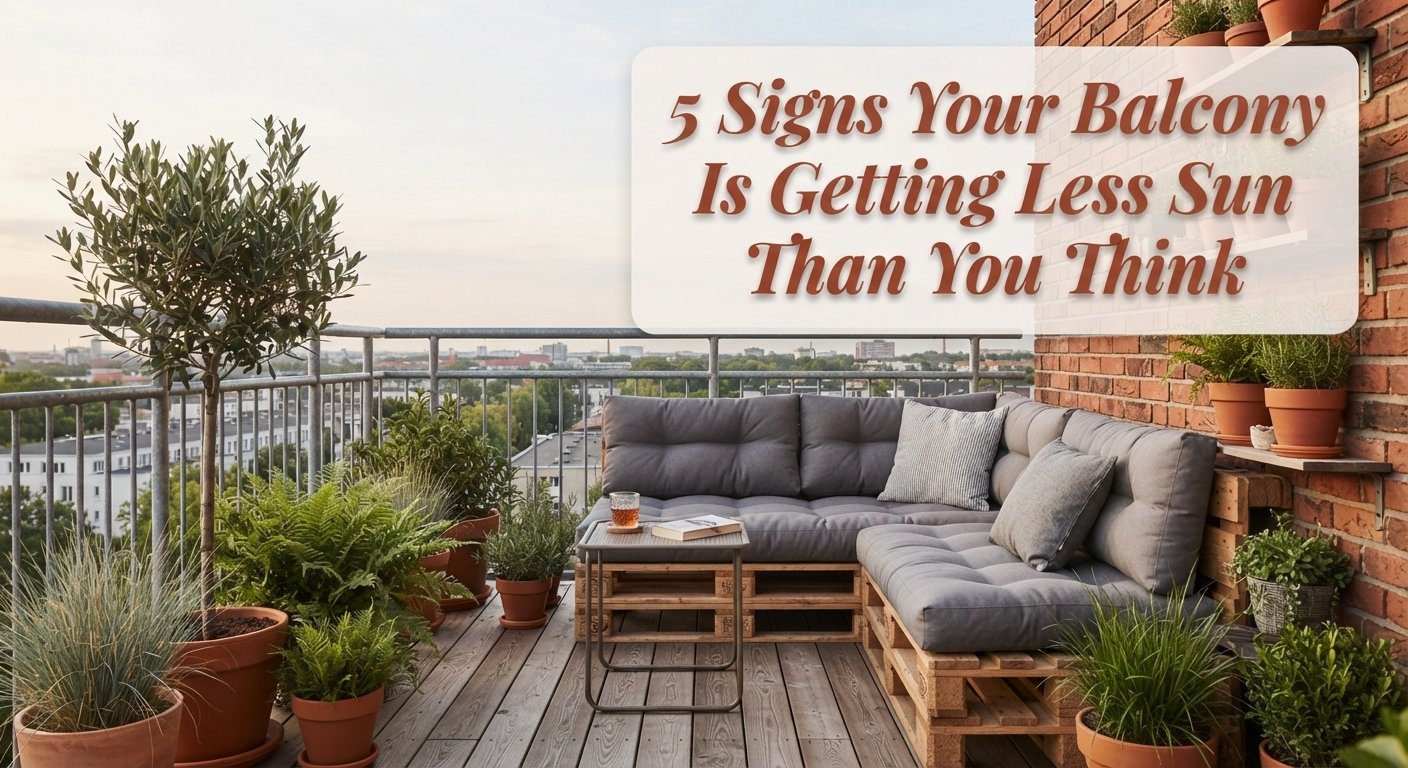
There’s a strange pattern I keep running into. Someone tells me their balcony gets full sun, plants a row of sun-hungry vegetables, and then can’t figure out why everything’s stretching toward the railing instead of filling out the way it should. When I ask how they know it’s full sun, the answer is almost always the same. They looked at which direction it faces and assumed that settled it.
It doesn’t, not even close. Plants are more honest about light than compass directions are, and if you know what to look for, they’ll tell you the truth before you’ve wasted a whole growing season guessing.
1. Your Plants Are Leaning Hard Toward One Direction
This is the most obvious sign and also the most commonly ignored one. A plant that’s genuinely happy with its light sits fairly upright, with growth spreading in a reasonably even pattern. A plant that’s straining toward a single direction, sometimes dramatically, is telling you it isn’t getting enough light where it’s positioned and is stretching toward whatever source it can find.
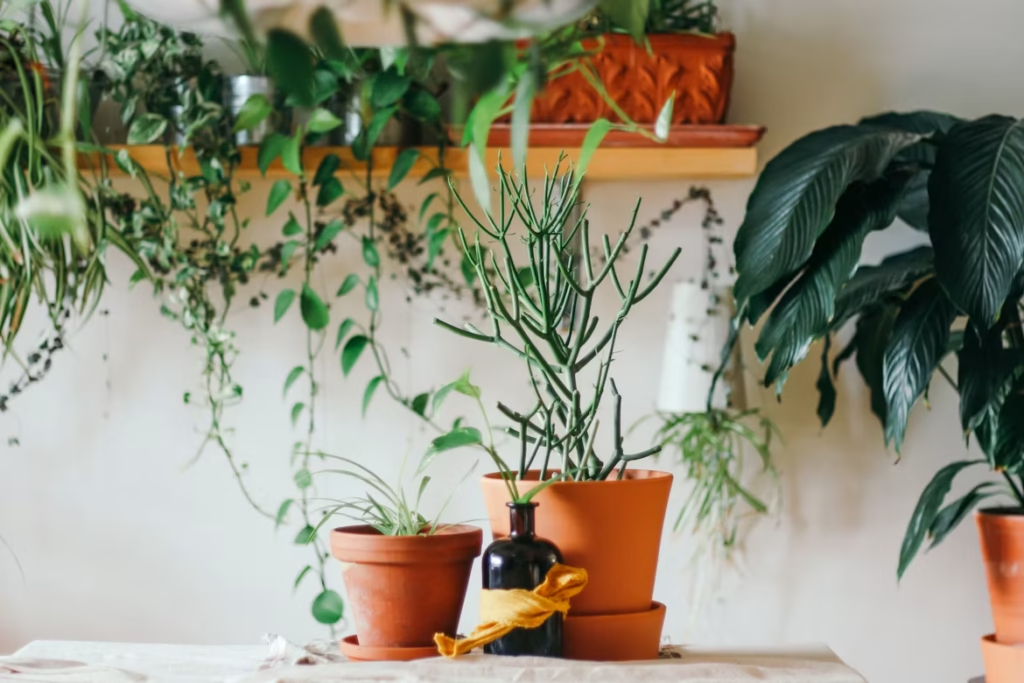
Gardeners often chalk this up to the plant “just growing that way,” rotate the pot once in a while to even it out, and move on. Rotating helps with symmetry, sure, but it doesn’t fix the underlying issue, which is that the total light hitting that spot isn’t enough. If you’re rotating a plant every few days just to keep it from toppling sideways, that’s your answer already.
2. Growth Is Leggy and Spaced Out Instead of Compact
Here’s where people usually go wrong: they see a plant getting taller and read it as healthy vigorous growth. Sometimes it is. But leggy growth, where the stem stretches with long gaps between leaves instead of producing tight, compact foliage, is a classic low-light response. The plant is racing upward trying to find more light rather than putting energy into the kind of dense, sturdy growth that comes with adequate exposure.
Tomatoes are a good example. In strong light, they tend to grow relatively stocky with leaves close together. In insufficient light, you’ll often see long bare stretches of stem between leaf sets, and the whole plant looks thin and reaching. Basil does something similar, growing tall and sparse instead of bushy.
3. Flowering and Fruiting Are Disappointing Even Though the Plant Looks Fine
This one throws people because the plant itself often looks perfectly healthy. Green, growing, no obvious signs of stress. And yet the tomato plant that should be loaded with fruit by midsummer has produced four small ones, or the flowering annual that’s supposed to be covered in blooms is mostly just leaves.
Flowering and fruiting take considerably more energy than leaf growth alone, and that energy comes from light. A plant can maintain itself and look reasonably green on light levels that aren’t nearly enough to support heavy flowering or fruit production. So if you’re getting foliage but not much else, low light is worth ruling out before you start troubleshooting soil, fertilizer, or watering.
I’ll admit this one took me longer to connect than it probably should have, early on I kept assuming underproduction meant a feeding issue, when really the light was the actual bottleneck the whole time.
4. Shadows on Your Balcony Move Faster and Shorter Than You’d Expect
This sign requires actually watching your space rather than just glancing at it. Stand on your balcony at a few different points during the day and notice how the shadows behave. If direct sunlight seems to sweep across your space quickly and then disappear again within an hour or two, that’s a strong indicator your total daily direct-sun window is shorter than you assumed.
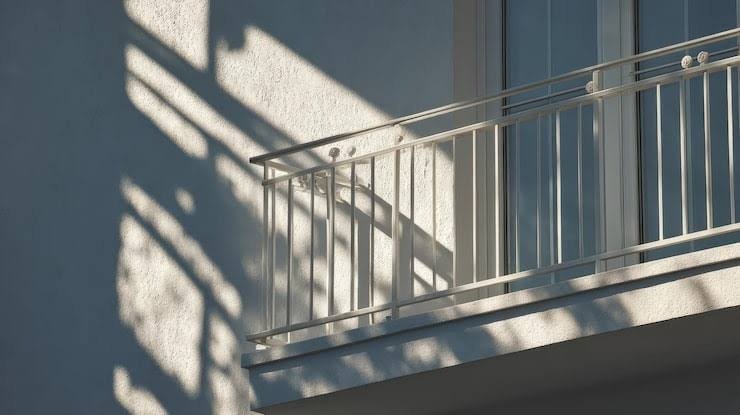
A genuinely full-sun spot holds direct light steadily for a solid stretch, generally six hours or more without major interruption. A spot where sun appears in a narrow, fast-moving band and then vanishes is giving you the appearance of “getting sun” without the actual duration that sun-loving plants need. Tracking this properly is worth doing once, and our guide on reading your balcony’s sun before planting walks through a simple hourly method if you want real numbers instead of impressions.
5. Soil Stays Damp Longer Than It Should
Watering frequency is one of the more reliable, if indirect, signals of actual light exposure. A container in genuine full sun with decent airflow will typically need watering every day or two in summer, sometimes more depending on pot size and material. If your soil is still visibly moist three or four days after watering, and drainage isn’t the problem, reduced light is often the quiet cause. Less light means less transpiration, which means the plant and soil are using water at a noticeably slower rate than a true full-sun setup would.
Quick self-check before you plant anything new:
- Are your existing plants leaning noticeably toward one side
- Is growth stretched and sparse rather than compact
- Are flowers or fruit sparse despite otherwise healthy-looking foliage
- Does direct sun disappear from your space within an hour or two of appearing
- Does soil stay damp well past when it should be drying out
Three or more of those checked off and you’re very likely working with less light than you originally assumed, regardless of what direction your balcony technically faces.
None of this means your space is a lost cause. It just means the plant list needs adjusting to match the light you’ve actually got instead of the light you hoped for. Shade-tolerant herbs, leafy greens grown in cooler stretches, and a handful of flowering plants bred for partial shade can all do genuinely well in exactly these conditions, and readers on small balcony garden online who’ve made that switch usually end up happier with the results than they were fighting for tomatoes that never quite got there.
Common Questions
Can a plant recover once I move it to better light, or is the stretched growth permanent? New growth will typically come in more compact once light improves, but the existing leggy stems generally stay as they are. Pruning back some of the stretched growth after the move can encourage the plant to fill out again from a stronger base.
Is it possible for a balcony to have too much sun rather than too little? Yes, particularly on high floors with a lot of reflected light off glass or pale walls. But leaning, legginess, and soil staying damp are specifically low-light signs, so if you’re seeing those, excess sun usually isn’t the issue at play.
How long should I wait before deciding a plant just needs more light? Give it a couple of weeks of consistent observation rather than judging off one bad week, since weather and watering habits can muddy the picture short term. If the leaning and legginess persist beyond that, low light is the more likely explanation.
Does the direction my balcony faces matter at all then? It’s a starting clue, not a conclusion. Two balconies facing the same direction can have completely different light realities depending on what’s blocking them, so treat compass direction as one data point among several rather than the deciding factor.
What’s the fastest way to confirm low light without doing a full day of tracking? Watch for at least two or three of the plant signs above over a week or so. They’re not as precise as an hourly light log, but they’re a reasonably quick gut check before you commit to reworking your whole setup.
For more on how light quality specifically, not just duration, affects plant performance, the University of Minnesota Extension’s guide on light for indoor and container plants is worth a look, since a lot of the same principles carry over to balcony growing.