6 Essential Seasonal Garden Tips for Balcony Growers
There’s something quietly powerful about growing plants in a small balcony space. You start with a few pots, maybe a handful of herbs, and before you know it, you’re observing sunlight angles, tracking temperature shifts, and planning your planting calendar like a seasoned grower. Balcony gardening teaches you one thing very quickly: seasons matter more than space.
Unlike large gardens where there’s room for error, balcony growers operate in a tighter environment. Every pot, every inch of railing, every hour of sunlight counts. That’s why understanding how seasons affect your balcony garden isn’t just helpful—it’s essential.
This guide doesn’t just list tips. It walks you through practical, lived-in strategies, small experiments, and real-world adjustments you can make across the year. You’ll find checklists, mini-plans, and thought processes that help you grow more in less space, no matter the season.
- Learn your balcony’s seasonal personality
Before you even think about what to plant, you need to understand how your balcony behaves throughout the year. This is often overlooked, and it’s where many beginners struggle.
Your balcony in winter is not the same space in summer.
Spend a few days each season observing:
- How many hours of direct sunlight you get
- Which corners stay shaded
- Wind direction and strength
- Heat retention (especially near walls or railings)
Create a simple observation log like this:
Season | Sunlight Hours | Wind Level | Temperature Feel | Notes
Winter | 4 hrs | Low | Cool | Good for leafy greens
Summer | 8 hrs | Medium | Very hot | Needs shade cloth
This small exercise changes everything. Instead of guessing, you start planning with clarity.
A south-facing balcony might thrive in winter but become too harsh in peak summer. A shaded balcony might struggle in winter but become ideal for herbs during hotter months.
When you understand your balcony’s seasonal personality, you stop fighting nature and start working with it.
- Rotate crops instead of repeating them
One of the biggest mistakes balcony gardeners make is planting the same crops year-round. It feels safe, but it limits your yield and often leads to weak plants.
Each season has its own “best performers.”
Think in terms of rotation, even in small containers:
Cool season crops:
- Spinach
- Lettuce
- Coriander
- Peas
Warm season crops:
- Tomatoes
- Chilies
- Basil
- Cucumbers
Transitional crops (early spring or autumn):
- Carrots
- Radishes
- Beans
Instead of sticking to one type, plan a rotation cycle like this:
Winter → Leafy greens
Spring → Root vegetables + herbs
Summer → Fruiting plants
Autumn → Fast-growing greens again
This approach keeps your soil healthier and your harvest more consistent.
Mini planning tip:
At the end of each season, ask:
- Which plants struggled?
- Which ones grew effortlessly?
Then adjust your next planting cycle accordingly.
- Adjust watering habits with the season, not the calendar
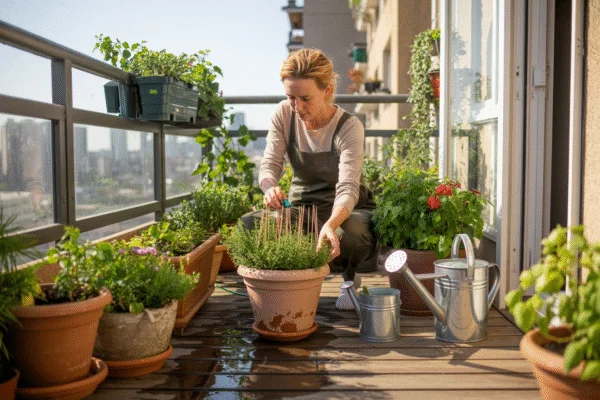
Watering is where most balcony gardens either thrive or fail. The tricky part is that watering needs change dramatically with the seasons.
In summer, containers dry out quickly. In winter, water sits longer in the soil.
Instead of watering on a fixed schedule, use this simple rule:
Check soil, not time.
Stick your finger about an inch into the soil:
- Dry → water
- Moist → wait
Seasonal watering adjustments:
Summer:
- Water early morning or late evening
- Consider double watering for small pots
- Use mulch to retain moisture
Winter:
- Water less frequently
- Avoid watering late in the evening
- Ensure proper drainage
Monsoon or humid seasons:
- Watch for overwatering
- Elevate pots slightly for drainage
- Use lighter soil mixes
Quick checklist:
☐ Are leaves drooping during heat?
☐ Is water draining freely from pots?
☐ Is the soil staying wet too long?
These small checks prevent bigger problems like root rot or dehydration.
- Use seasonal protection to extend growing time
Your balcony garden doesn’t have to stop when conditions get extreme. With a few simple adjustments, you can extend your growing season significantly.
Think of it like creating micro-climates.
In summer:
- Use shade nets or light fabric covers
- Move sensitive plants away from direct sun
- Group pots together to reduce heat exposure
In winter:
- Move plants closer to walls for warmth
- Use transparent covers for cold nights
- Bring delicate plants indoors temporarily
In heavy rain:
- Shift pots under shelter
- Use well-draining soil
- Avoid waterlogging at all costs
Simple DIY ideas:
- Old curtains can act as shade cloths
- Plastic bottles can become mini greenhouses
- Wooden crates can block strong wind
These aren’t expensive solutions, but they make a noticeable difference.
Balcony gardening rewards creativity more than budget.
- Refresh soil and nutrients with each season
Container soil doesn’t stay rich forever. Over time, nutrients get depleted, and soil structure breaks down.
If you ignore this, plants will grow slower, leaves will turn pale, and yields will drop.
Each season is a chance to reset your soil.
Basic seasonal soil routine:
End of season:
- Remove old plants
- Loosen the soil
- Remove debris and roots
Before new planting:
- Add compost or organic matter
- Mix in fresh potting soil if needed
- Check drainage
Simple soil mix formula:
40% garden soil
30% compost
20% coco peat or organic matter
10% sand (for drainage)
Signs your soil needs attention:
- Water sits on top instead of soaking in
- Plants look stunted
- Soil feels compacted
Quick fix:
Even adding a handful of compost per pot can revive tired soil.
- Plan small, harvest often
Balcony gardening isn’t about growing everything at once. It’s about growing smart.
Instead of planting all seeds at the same time, stagger your planting.
This ensures a continuous harvest instead of everything maturing at once.
Example:
Week 1 → plant lettuce
Week 3 → plant another batch
Week 5 → plant again
Now you have a steady supply instead of a single harvest.
Apply this to herbs, greens, and even some vegetables.
Benefits of staggered planting:
- Continuous harvest
- Less waste
- Better space management
- Reduced risk if one batch fails
Also, harvest regularly. Many plants grow better when picked often.
Small habit, big impact.
Seasonal balcony gardening planner (simple template)
Month | What to Plant | Key Task | Protection Needed
Jan | Spinach, herbs | Light watering | Cold protection
Apr | Tomatoes, basil | Fertilizing | Sun monitoring
Jul | Chilies, okra | Frequent watering | Shade cloth
Oct | Greens, radish | Soil refresh | Mild protection
You don’t need a perfect plan. Even a rough seasonal map keeps you ahead.
Real-life balcony adjustments that make a difference
Sometimes it’s not about big changes, but small tweaks:
- Rotating pots weekly for even sunlight
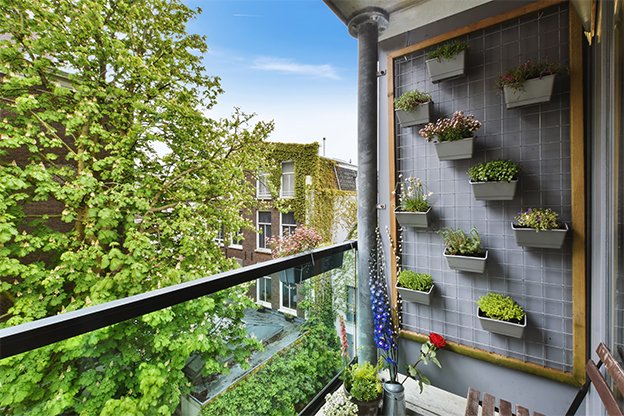
- Using vertical space (rails, walls, shelves)
- Keeping a watering can nearby to avoid skipping days
- Grouping plants with similar needs together
These habits build consistency, and consistency is what makes a balcony garden successful.
A quiet mindset shift that changes everything
Here’s something many guides don’t say clearly:
Balcony gardening isn’t about controlling nature. It’s about adapting to it.
Seasons will change. Weather will surprise you. Some plants will fail.
That’s not a problem—it’s part of the process.
The more you observe and adjust, the better your garden becomes.
Over time, you’ll stop relying on generic advice and start trusting your own experience.
That’s when your balcony truly becomes a garden.
FAQs
- How do I know which plants are best for each season on my balcony?
Start by observing sunlight and temperature patterns on your balcony. Then match plants to seasons—cool-season crops for winter and heat-loving plants for summer. Trial and adjustment work better than strict rules. - How often should I water balcony plants in different seasons?
In summer, you may need to water daily or even twice a day for small pots. In winter, watering every few days is often enough. Always check soil moisture instead of following a fixed schedule. - Can I grow vegetables all year round on a balcony?
Yes, but you need to rotate crops based on seasons and use simple protection methods like shade covers or moving pots indoors during extreme conditions. - What is the easiest way to improve soil quality in pots?
Add compost regularly. Even a small amount each season can significantly improve plant health. Also, loosen compacted soil and ensure good drainage. - How do I protect plants from extreme heat or cold?
Use shade cloths in summer, and move plants closer to walls or indoors in winter. Simple DIY covers can also help create a stable environment. - Why are my plants growing well in one season but not another?
Because environmental conditions like sunlight, temperature, and humidity change. Some plants naturally perform better in specific seasons. Adjust your plant selection instead of forcing the same crops year-round.
If you keep things simple, stay observant, and adapt with the seasons, even a small balcony can turn into a surprisingly productive garden.