8 Proven Small Space Garden Tricks to Grow More in Less
If you’ve ever stood on a tiny balcony, stared at a narrow patio, or even just a sunny window, and thought, “There’s no way I can grow much here,” you’re not alone. Small-space gardening looks limiting on the surface—but in practice, it often produces more efficient, creative, and surprisingly abundant results than traditional large gardens.
Over time, gardeners working with tight spaces tend to develop sharper instincts. They waste less, observe more, and design smarter. What follows isn’t theory—it’s a collection of proven, practical tricks that make a visible difference when space is limited.
This isn’t just about cramming plants into corners. It’s about using space with intention.
Let’s get into it.
- Grow upward, not outward
The biggest mistake in small-space gardening is thinking in two dimensions. The moment you start using vertical space, everything changes.
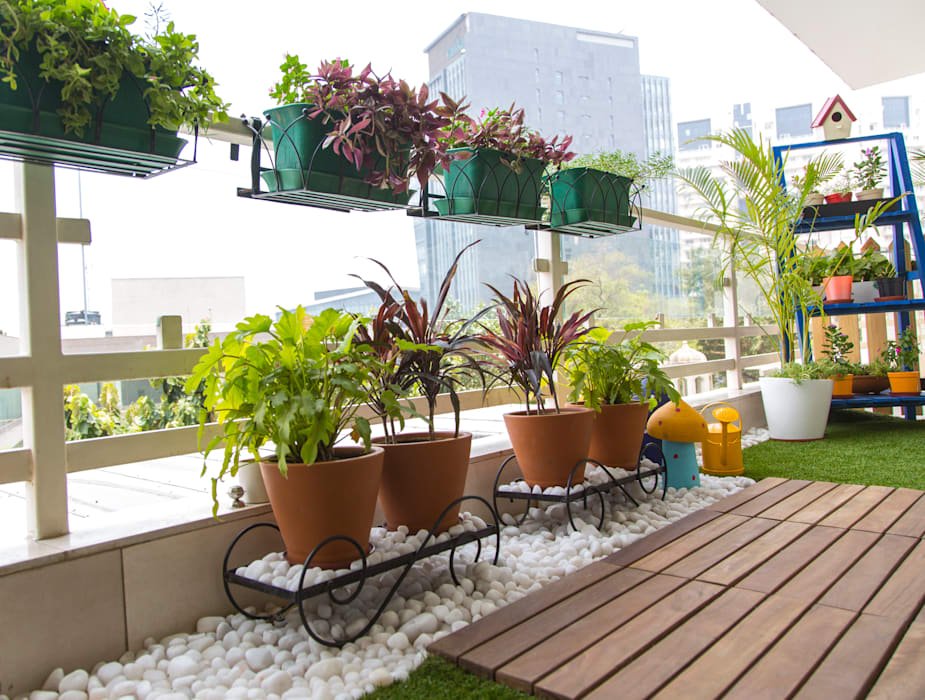
Walls, railings, fences, and even hanging airspace become productive zones. Instead of ten pots on the ground, you suddenly have thirty growing spots layered upward.
What works well vertically:
- Climbing vegetables like beans, cucumbers, and peas
- Trailing plants like cherry tomatoes or strawberries
- Herbs in stacked planters
- Leafy greens in wall pockets
A simple vertical setup could be:
- A wooden ladder with pots on each step
- Hanging baskets attached to ceiling hooks
- A trellis fixed against a wall
A practical layout example:
Floor: Larger pots (tomatoes, peppers)
Mid-level: Hanging herbs (mint, oregano)
Wall: Climbers (beans, cucumbers)
Same footprint. Triple the yield.
- Choose plants that give more than they take
In a small garden, every plant must earn its place.
Instead of growing crops that produce once and stop, focus on plants that keep giving over time.
High-return plants:
- Cut-and-come-again lettuce
- Spinach and leafy greens
- Chili peppers
- Herbs like basil, coriander, parsley
- Cherry tomatoes
Low-return (for small spaces):
- Large cabbage heads
- Corn
- Cauliflower
Think in terms of “harvest frequency” rather than size.
A single basil plant can provide leaves for months. One cabbage gives you just one harvest.
That difference matters more than most beginners realize.
- Use containers like a system, not random pots
Most small gardens fail not because of lack of space—but because of messy container use.
Random pot placement = wasted light, poor airflow, inefficient watering.
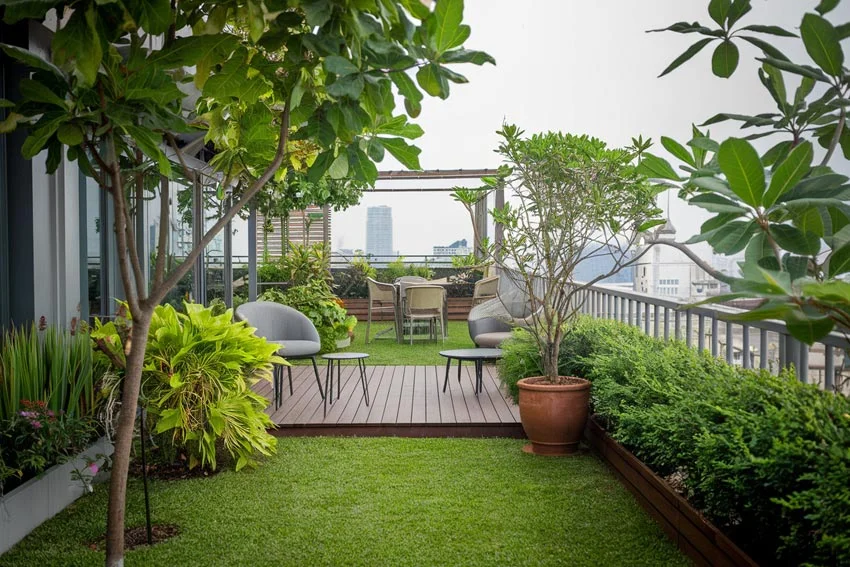
Instead, think of your containers as a coordinated system.
Try this structure:
Zone 1: Sun lovers (full sun)
Zone 2: Partial shade plants
Zone 3: Frequent-use herbs (easy access)
Also consider:
- Grouping pots by water needs
- Using uniform container sizes for better arrangement
- Elevating some pots to create layers
A simple trick: place rarely harvested plants at the back and daily-use plants near the front.
It saves time, reduces plant disturbance, and keeps your setup clean.
- Master companion planting in tight spaces
When space is limited, plants shouldn’t just coexist—they should support each other.
Companion planting lets you grow more in the same pot or area while improving plant health.
Examples that work well:
- Tomatoes + basil (better flavor, pest reduction)
- Carrots + lettuce (different root depths)
- Spinach + radishes (fast + slow growers together)
You’re essentially stacking functions:
- One plant shades the soil
- Another repels pests
- Another uses deeper nutrients
Mini layout idea in one container:
Top layer: Lettuce
Middle: Carrots
Edge: Herbs
One pot, three harvest types.
- Control soil quality like a pro
In small gardening, soil is everything. You don’t have the buffer of large ground beds, so poor soil shows quickly.
Good soil in containers should be:
- Light and airy
- Well-draining
- Nutrient-rich
A reliable mix:
- 40% compost
- 40% coco peat or peat moss
- 20% perlite or sand
Additions that make a difference:
- Crushed eggshells (calcium)
- Banana peels (potassium)
- Compost tea (natural boost)
Instead of replacing soil every season, refresh it:
- Remove top layer
- Add compost
- Mix lightly
Healthy soil means faster growth, stronger plants, and more yield per inch.
- Use succession planting to keep harvests constant
One of the smartest tricks for small spaces is timing—not just planting.
Succession planting means you don’t grow everything at once. You stagger your crops.
Instead of planting 10 lettuce plants on one day:
- Plant 3 today
- 3 next week
- 4 the week after
This gives you:
- Continuous harvest
- No overcrowding
- Better use of space over time
Another version:
After harvesting fast crops (like radishes), immediately plant something new in the same spot.
Think of your garden like a rotating system, not a fixed one.
- Prune aggressively (but smartly)
In a small garden, letting plants grow wild is a mistake.
Pruning isn’t just about control—it’s about productivity.
What pruning does:
- Redirects energy to fruit production
- Improves airflow
- Prevents disease
- Keeps plants compact
Examples:
- Pinch off extra tomato suckers
- Trim herbs regularly (this actually boosts growth)
- Remove yellow or dying leaves early
A simple rule:
If a part of the plant isn’t helping growth or harvest—it’s taking away from it.
Don’t be afraid to cut.
- Maximize sunlight like it’s currency
In tight spaces, sunlight is the most valuable resource—not soil, not pots.
Before placing anything, observe your space:
- Where does the sun hit in the morning?
- Which spots stay shaded?
- How many hours of direct light do you get?
Then match plants accordingly:
Full sun (6–8 hours):
- Tomatoes
- Peppers
- Cucumbers
Partial sun (3–5 hours):
- Spinach
- Lettuce
- Herbs
Low light:
- Mint
- Coriander
Small adjustments that help:
- Use reflective surfaces (white walls, mirrors)
- Rotate pots every few days
- Raise shorter plants for better exposure
A plant in the right light can outperform two in poor conditions.
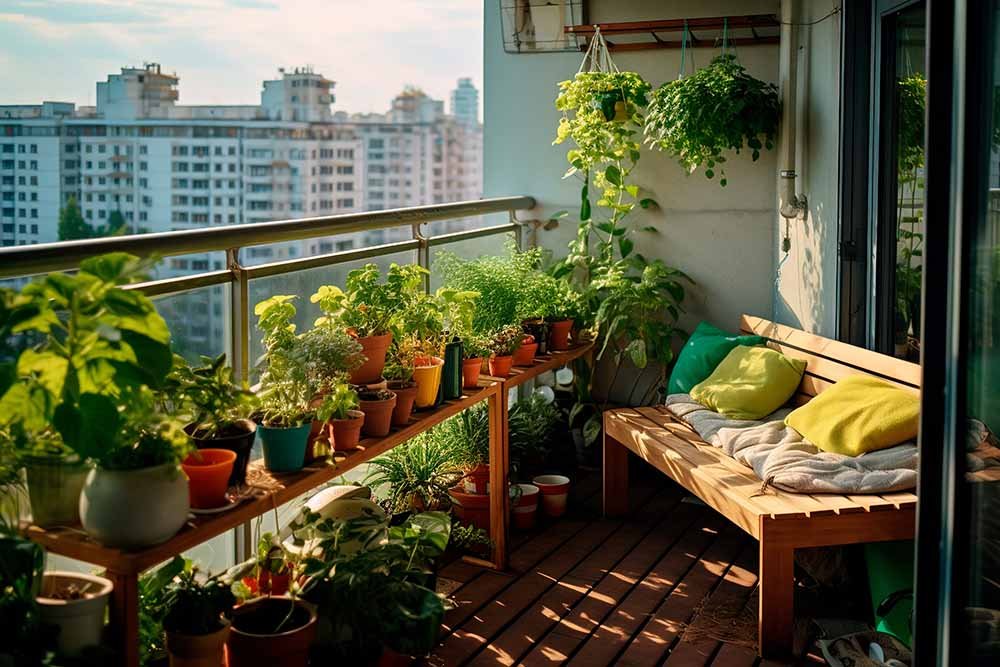
Practical small-space garden layout example
Here’s a simple balcony plan using all 8 tricks:
Back wall:
Vertical trellis with climbing beans
Right side:
Stacked pots with herbs
Left side:
Tomato plant in large container (pruned regularly)
Railing:
Hanging baskets with strawberries
Floor corner:
Spinach and lettuce in succession planting
Center:
Movable pots grouped by sunlight
This kind of setup can easily produce:
- Weekly herbs
- Daily greens
- Seasonal vegetables
All within a few square feet.
Common mistakes to avoid
Even with the right tricks, a few habits can limit your results:
- Overwatering (containers dry differently than ground soil)
- Overcrowding plants too early
- Ignoring sunlight patterns
- Using poor-quality soil repeatedly
- Growing the wrong plants for your climate
Small spaces magnify mistakes—but they also magnify smart decisions.
5–6 FAQs about small space gardening
- Can I really grow enough food in a small space?
Yes, but it depends on what you grow. Focus on high-yield, fast-growing crops like herbs, greens, and small fruiting plants. You won’t replace a full grocery supply, but you can grow a meaningful portion of fresh food.
- What is the best container size for small gardening?
It depends on the plant. Herbs and greens can grow in small pots (6–8 inches), but tomatoes and peppers need larger containers (12–18 inches deep). When in doubt, go slightly bigger.
- How often should I water container plants?
Usually more often than ground plants. In warm weather, once a day is common. The best method is simple: check the top inch of soil—if it’s dry, water it.
- Do I need fertilizers for a small garden?
Yes, because nutrients in containers run out faster. You can use compost, liquid fertilizers, or organic options like compost tea every couple of weeks.
- What grows fastest in small spaces?
Radishes, lettuce, spinach, and herbs are among the fastest. Some can be ready in as little as 3–4 weeks.
- Can I garden indoors if I don’t have a balcony?
Yes. Use windowsills with good sunlight or add grow lights. Herbs, microgreens, and leafy greens work especially well indoors.
Final thought
Small-space gardening isn’t about limitation—it’s about precision.
When you don’t have room to waste, you naturally start making better choices. You learn how plants behave. You notice details others miss. And over time, your small garden becomes not just productive—but deeply satisfying.
Start simple. Apply even two or three of these tricks consistently. The results will show faster than you expect.