9 Powerful Garden Hacks for Balcony Garden Success
There’s something quietly satisfying about growing plants in a space that wasn’t really designed for it. A balcony, after all, is usually meant for a chair, maybe a cup of tea, perhaps a quiet moment at sunset. But turn it into a garden, and it becomes something else entirely—a living, breathing extension of your home.
Balcony gardening is not just about placing pots randomly and hoping for the best. It’s a small, controlled ecosystem where every decision matters: light, soil, water, wind, and even the color of your containers. Over time, gardeners begin to notice that success doesn’t come from big changes, but from small, clever adjustments—the kind that feel more like hacks than rules.
Below are nine powerful, experience-driven garden hacks that can transform even the smallest balcony into a thriving green sanctuary.
- Use vertical space like a strategist, not a decorator
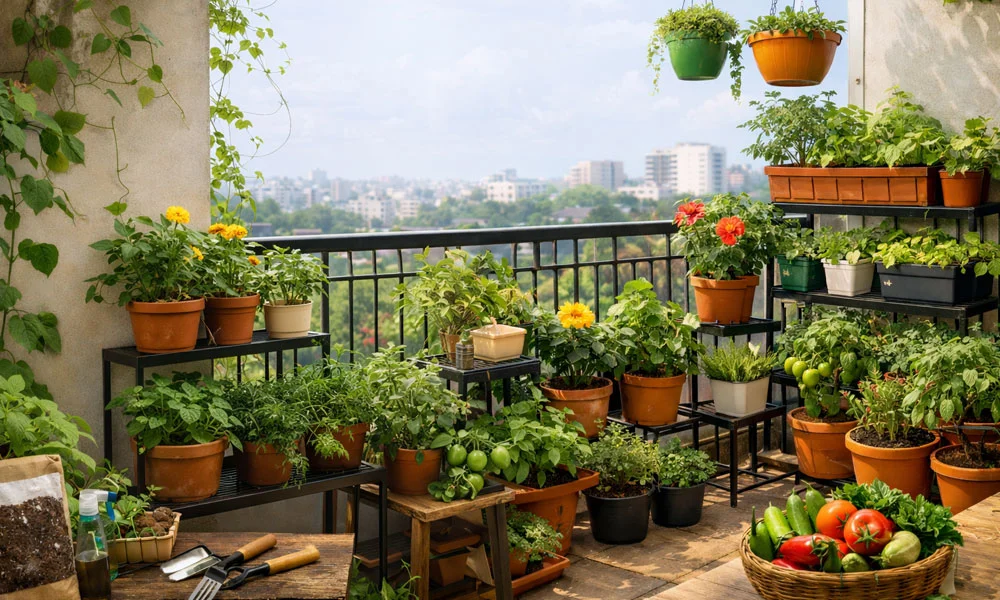
Most beginners treat balconies like flat surfaces. They line up pots along the railing or against the wall and call it a day. The real secret? Think upward.
Vertical gardening isn’t just about hanging a few pots—it’s about layering your plants in a way that mimics nature. Tall plants at the back, climbers trained upward, trailing plants cascading down, and compact herbs filling the gaps.
Try this:
- Install a simple trellis or even repurpose an old ladder.
- Use wall-mounted planters or pocket organizers.
- Hang lightweight pots from hooks or rods.
Mini layout idea:
Level 1 (top): Hanging herbs like mint, thyme
Level 2 (middle): Tomatoes or beans climbing upward
Level 3 (bottom): Leafy greens like spinach or lettuce
This approach can triple your planting space without increasing your footprint.
- Choose soil that behaves, not just soil that “works”
Regular garden soil is often too dense for containers. It compacts, holds too much water, and suffocates roots. The hack here is to build a soil mix that stays light, airy, and responsive.
A simple DIY balcony mix:
- 40% coco coir or peat moss (retains moisture)
- 30% compost (nutrients)
- 20% perlite or sand (drainage)
- 10% vermicompost (microbial boost)
Quick check test:
Grab a handful of your soil, squeeze it, and release. If it breaks apart easily, you’re on the right track. If it stays clumped, it’s too heavy.
Think of soil as a living partner, not just a medium.
- Turn kitchen waste into silent fertilizer
Balcony gardening thrives on consistency, and nothing provides that better than a steady source of nutrients. Instead of buying fertilizers frequently, use what your kitchen already gives you.
Simple hacks:
- Crushed eggshells → calcium boost
- Banana peels → potassium-rich tea (soak in water overnight)
- Vegetable scraps → mini compost bin (even a small bucket works)
A quick routine:
Every 3–4 days, collect scraps, chop them small, and bury them lightly in pots or compost them. Over time, your plants will respond with stronger growth and deeper color.
It’s less about saving money and more about creating a cycle.
- Master sunlight by observing, not guessing
Sunlight is the most misunderstood factor in balcony gardening. People often rely on generic advice like “full sun” or “partial shade,” but balconies have microclimates.
Spend one full day observing:
- Where does sunlight hit in the morning?
- Which areas stay shaded in the afternoon?
- Are there reflective surfaces increasing heat?
Create a simple sunlight map:
Morning sun zone → herbs, leafy greens
Afternoon sun zone → tomatoes, peppers
Shaded corners → ferns, coriander
Once you understand your balcony’s light pattern, plant placement becomes almost intuitive.
- Water less often, but more intelligently
Overwatering is the fastest way to kill balcony plants. The hack is not to water more—but to water smarter.
Key techniques:
- Use pots with drainage holes (non-negotiable)
- Water deeply until it drains out, then stop
- Check soil moisture with your finger before watering again
A simple rhythm:
Morning check → water only if top inch is dry
Evening mist → optional for humidity-loving plants
Bonus trick:
Place a shallow tray with pebbles and water under pots. It increases humidity without drowning roots.
- Rotate your pots like a quiet routine
Plants naturally grow toward light. On a balcony, this often means they lean awkwardly or grow unevenly.
The fix is simple but often ignored: rotation.
Every 3–4 days, rotate your pots slightly. This ensures:
- Even growth
- Stronger stems
- Better airflow
It takes seconds but prevents long-term structural issues in your plants.
- Use container size as a growth control tool
Many gardeners underestimate how much pot size affects plant behavior. Small pots restrict growth, dry out quickly, and limit yield. Larger pots provide stability and better root expansion.
A quick guide:
Herbs → 6–8 inch pots
Leafy greens → 8–10 inch pots
Tomatoes/peppers → 12–16 inch pots
If space is tight, prioritize depth over width. Deep roots mean healthier plants.
- Protect your balcony from wind like a shield
Balconies, especially in higher buildings, can be surprisingly windy. Constant wind dries out soil, damages leaves, and stresses plants.
Simple wind hacks:
- Use bamboo screens or mesh as barriers
- Group plants together to create a micro-shelter
- Place heavier pots on the outer edges
You’re not trying to block wind completely—just soften its impact.
- Grow what actually wants to grow there
One of the biggest mistakes is forcing plants that aren’t suited to balcony conditions. Instead, choose plants that naturally thrive in containers and limited space.
Reliable balcony-friendly plants:
- Herbs: basil, mint, parsley
- Vegetables: cherry tomatoes, chilies, lettuce
- Flowers: marigold, petunia, pansy
Think in terms of cooperation, not control. The right plant in the right place does most of the work for you.
A simple weekly balcony garden routine
To tie everything together, here’s a practical routine you can follow:
Monday: Check soil moisture and water if needed
Tuesday: Inspect leaves for pests or discoloration
Wednesday: Rotate pots slightly
Thursday: Add kitchen compost or nutrients
Friday: Light pruning or harvesting
Saturday: Deep watering and cleaning
Sunday: Observe sunlight and adjust placement
This routine keeps your garden active without overwhelming you.
Small additions that make a big difference
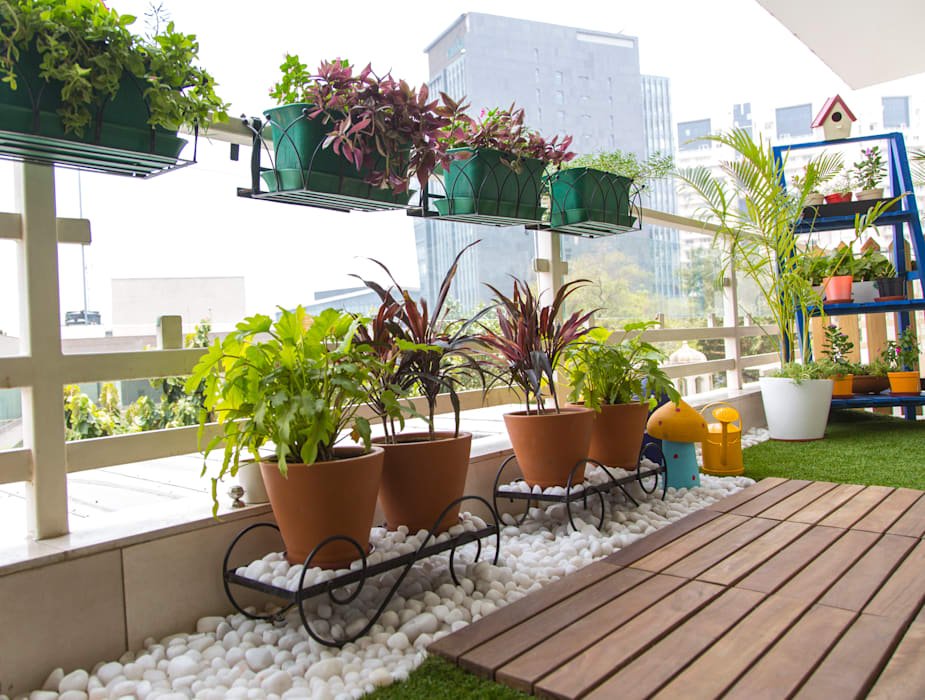
Balcony gardening becomes more enjoyable when you add small functional touches:
- A watering can with a narrow spout for precision
- Lightweight pots for easy movement
- Labels to track plant types
- A small stool or bench for comfort
These are not essentials, but they turn gardening into a smoother experience.
A short reflection from real balcony growers
Many experienced balcony gardeners eventually realize something surprising: success doesn’t come from doing more—it comes from doing the right things consistently.
You don’t need dozens of tools, expensive fertilizers, or perfect weather. You need observation, patience, and a willingness to adjust.
Plants are responsive. They show you what they need—you just have to notice.
FAQs
- How many plants can I grow on a small balcony?
It depends on how you use vertical space. With shelves, hanging pots, and compact containers, even a tiny balcony can support 15–25 plants comfortably without overcrowding.
- What is the easiest plant to grow for beginners?
Herbs like mint and basil are excellent starting points. They grow quickly, require minimal care, and give visible results, which builds confidence.
- How often should I fertilize balcony plants?
Light feeding every 2–3 weeks is usually enough. If you’re using compost or kitchen waste regularly, you may need even less.
- Can I grow vegetables all year round on a balcony?
Yes, but it depends on seasonal conditions. Rotate crops based on temperature—leafy greens in cooler months and fruiting plants like tomatoes in warmer months.
- Why are my balcony plants drying out quickly?
This is often due to wind exposure, small pots, or poor soil. Increasing pot size, improving soil mix, and adding wind protection can help.
- Do I need special containers for balcony gardening?
Not necessarily. Any container with proper drainage works. However, lightweight and durable pots are more practical for balcony use.
Balcony gardening isn’t about perfection. It’s about creating a space that grows with you—experiment by experiment, season by season. Once you start noticing the small wins—a new leaf, a fresh bloom, a homegrown herb—you’ll realize that even the smallest balcony can hold something meaningful.