A reader wrote in a few weeks back asking why her balcony tomatoes needed water almost every single day, while the same variety in her sister’s backyard garden went two or three days between waterings without wilting. Same seed packet, same fertilizer, similar sun exposure by her estimate. She wanted to know what she was doing wrong.
Nothing, as it turned out. She just hadn’t accounted for how differently a container behaves compared to ground soil, and once you see the mechanics of it, the daily watering stops feeling like a chore and starts feeling like something you can actually plan around.
1. Start With the Container Itself
A pot loses water from more directions than a garden bed does. Ground soil only really loses moisture from the top surface through evaporation and from roots pulling water for the plant. A container loses water from the top the same way, but it also loses it through the sides and bottom, especially in unglazed terracotta or thin plastic, both of which let moisture pass through the material itself.
Check what your containers are made from before troubleshooting anything else. Unglazed terracotta is the fastest to dry out, sometimes needing water daily in full summer sun even for a moderately sized pot. Glazed ceramic and thick-walled plastic hold moisture longer because less of it escapes through the container walls. Metal pots sit somewhere in between, and they carry an extra problem, they heat up fast in direct sun, which speeds up evaporation from the inside as well.
If you’re still working out pot sizing for your space, our piece on why container size matters more than plant choice at first covers this from a different angle and is worth a look before you buy anything new.
2. Then Factor In Where the Container Actually Sits
This is the step people skip, and it’s a big one. A container sitting directly on hot concrete or dark decking is absorbing radiant heat from below in addition to whatever sun hits it from above. That bottom heat pushes soil temperature up and speeds evaporation from the root zone in a way that isn’t obvious just by touching the soil surface.
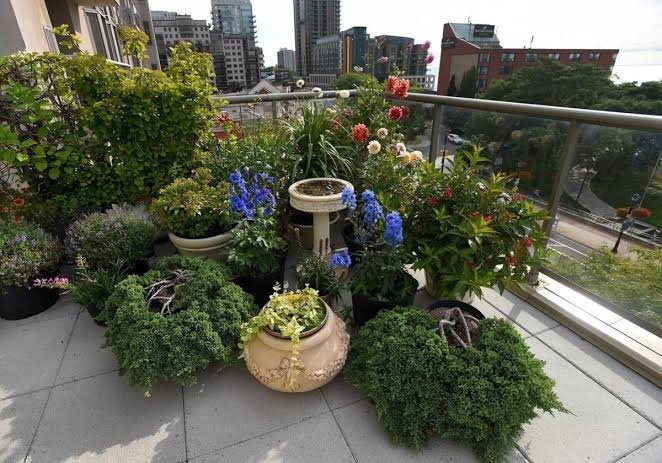
Elevating pots even an inch or two off the floor, using pot feet, bricks, or a simple stand, cuts down on this considerably. It’s a small adjustment that makes a real difference, more than most people expect from something so minor.
3. Wind Is Doing More Than You Think
Backyard soil and ground-level containers get some natural wind protection from fences, other plants, and general obstruction at that height. Balconies, especially anything above the first few floors, often sit in open, unobstructed air where wind moves faster and more consistently. Wind accelerates evaporation from soil surface at a rate that surprises a lot of people, sometimes as much as direct heat does.
If your balcony gets noticeably breezy, especially in the afternoon, that alone could explain a chunk of the extra watering you’re doing compared to a sheltered backyard bed. Our guide on telling whether your balcony is too windy for a garden has a rundown of how to assess this properly, and it pairs directly with what’s happening here since wind and container drying are closely linked.
4. Watch How Fast Moisture Actually Disappears
Here’s a rough sense of how a mid-sized container in full summer sun on a typical balcony loses moisture over a day, assuming no rain and moderate airflow.
Morning, right after watering: soil is saturated, moisture visible at the surface. By midday: top inch or two has dried noticeably, especially in terracotta or a container sitting on hot flooring. Mid-afternoon: surface is dry to the touch, and in smaller pots the root zone itself may be approaching dryness depending on plant size and root density. Evening: in a hot, windy, or elevated exposure, the pot may already need water again by the next morning, sometimes sooner for smaller containers.
That timeline shifts a lot based on pot size. Bigger containers hold more total water and buffer against fast swings better than small ones, which is part of why undersized pots are such a common source of frustration for new balcony gardeners specifically. If you’re starting from scratch, our guide to balcony gardening basics for total beginners touches on sizing decisions that make this whole problem smaller from the start.
Here’s where people usually go wrong, they size their containers based on what looks proportionate to their balcony rather than what the plant actually needs to hold enough water reserve, and end up watering constantly as a result instead of adjusting the pot itself.
5. Small Adjustments That Actually Slow This Down
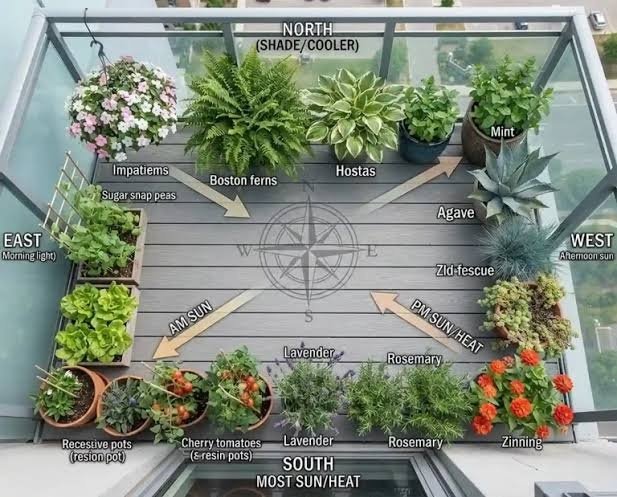
A few things genuinely help without requiring a full setup overhaul. Mulching the soil surface with a thin layer of bark, straw, or even pebbles slows surface evaporation meaningfully. Grouping containers together so they partially shade each other’s sides reduces the exposed surface area each pot deals with individually. And self-watering containers, while not necessary for everything, can be worth it for the thirstiest plants on your balcony if daily watering isn’t realistic for your schedule.
None of these fixes eliminate the need to water more than a backyard bed would. Containers will always dry faster, that’s just the physics of a smaller, more exposed volume of soil. But they can take a daily watering chore down to every other day for a lot of setups, which matters if you’re gone during the day or just don’t want gardening to feel like a second job.
Small balcony garden online gets messages like this reader’s fairly often, and it’s usually the same handful of factors stacking on top of each other. Pot material, floor heat, and wind rarely get blamed individually, but together they explain almost all of the difference people notice compared to backyard growing.
Common Questions
Does pot color actually affect how fast soil dries out? Yes. Dark-colored containers absorb more heat and can run noticeably hotter than light-colored ones in direct sun, which speeds up evaporation. It’s a smaller factor than pot material or placement, but it adds up, especially in peak summer.
Is it worth switching to self-watering pots for everything? Not necessarily. They’re most useful for consistently thirsty plants or for gardeners who can’t water daily, but for plants that prefer drier conditions between waterings, a standard container gives you more control over that cycle.
Why does my hanging basket dry out faster than pots on the floor? Hanging baskets get more airflow on all sides and often sit in a hotter, more exposed position than floor-level containers, both of which speed up moisture loss. Smaller basket volume compounds the problem since there’s less total water reserve to begin with.
Should I be watering at a specific time of day to reduce evaporation loss? Early morning is generally the most efficient time, since cooler temperatures mean less water is lost to evaporation before the roots can absorb it. Evening watering works too, though it can leave foliage damp overnight in humid climates, which isn’t ideal for some plants.
How do I know if I’m overcompensating by watering too often? Check soil moisture an inch or two below the surface before watering rather than going by the surface alone. If it’s still damp down there, holding off another day usually won’t hurt the plant and can prevent root problems that come from consistently soggy soil.
If you want a broader look at how balcony conditions differ from ground-level growing in general, our piece on why your balcony feels hotter than a backyard covers a lot of the same underlying causes from the heat side of things, and the two topics tend to overlap more than people expect.