
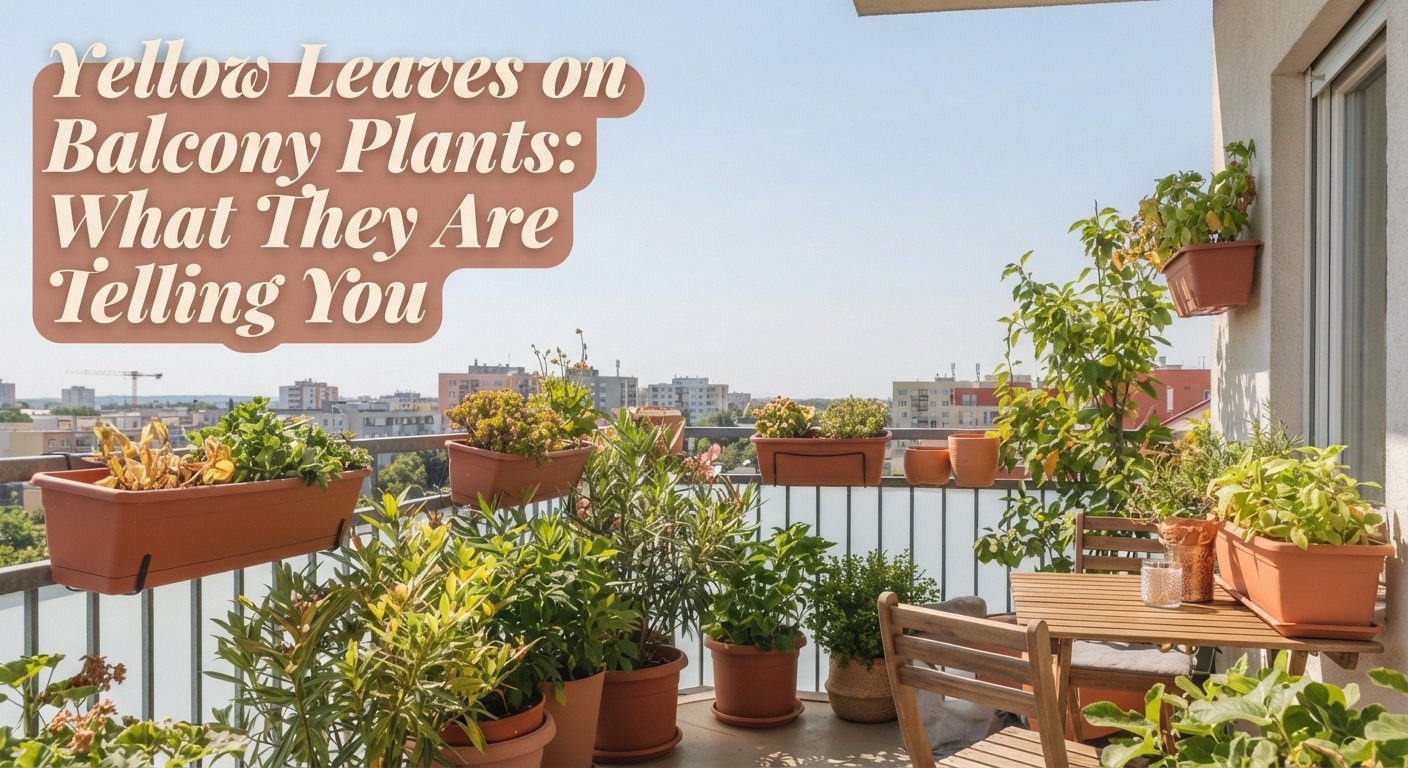
I used to assume yellow leaves meant one thing, not enough water, and for about a year of container gardening that assumption cost me more plants than I’d like to admit. It wasn’t until a pepper plant kept yellowing despite daily watering that I actually sat down and worked through what else could cause it, and the list turned out to be a lot longer and more specific than I expected.
Yellowing isn’t a single symptom with a single cause. It’s more like a signal that can mean five or six different things depending on where on the plant it shows up, how fast it spreads, and what else is happening around it. Treating every yellow leaf as a watering problem, which is what most people do first, means you’ll sometimes fix nothing and occasionally make things worse.
1. Where the Yellowing Starts Actually Matters
This is the detail most people skip past. Bottom-up yellowing, where the oldest, lowest leaves go first while new growth stays green, usually points to nitrogen deficiency or natural leaf aging as the plant redirects energy upward. Top-down yellowing, especially on new growth, tends to point toward iron or micronutrient deficiencies, which show up more often in container soil than in ground beds because containers run out of trace minerals faster.
Yellowing that shows up evenly across the whole plant at once, seemingly overnight, is a different animal entirely. That pattern usually means root stress, either from overwatering, underwatering, or heat damage to the root zone, and it needs a faster response than nutrient issues do. I’ll be honest, this is the pattern that used to trip me up most, because it looks so sudden that it feels like it came from nowhere. It didn’t. The roots had usually been struggling for a while before the leaves finally showed it.
2. Water Is Still the Most Common Cause, But Not the Way You’d Think
Underwatering causes yellowing that starts at leaf edges and moves inward, often paired with some wilting or crispiness. Overwatering causes yellowing that’s softer, sometimes with a slightly translucent look to the leaf, and it usually comes with the base of the plant feeling unusually soft or the soil staying wet far longer than it should between waterings.
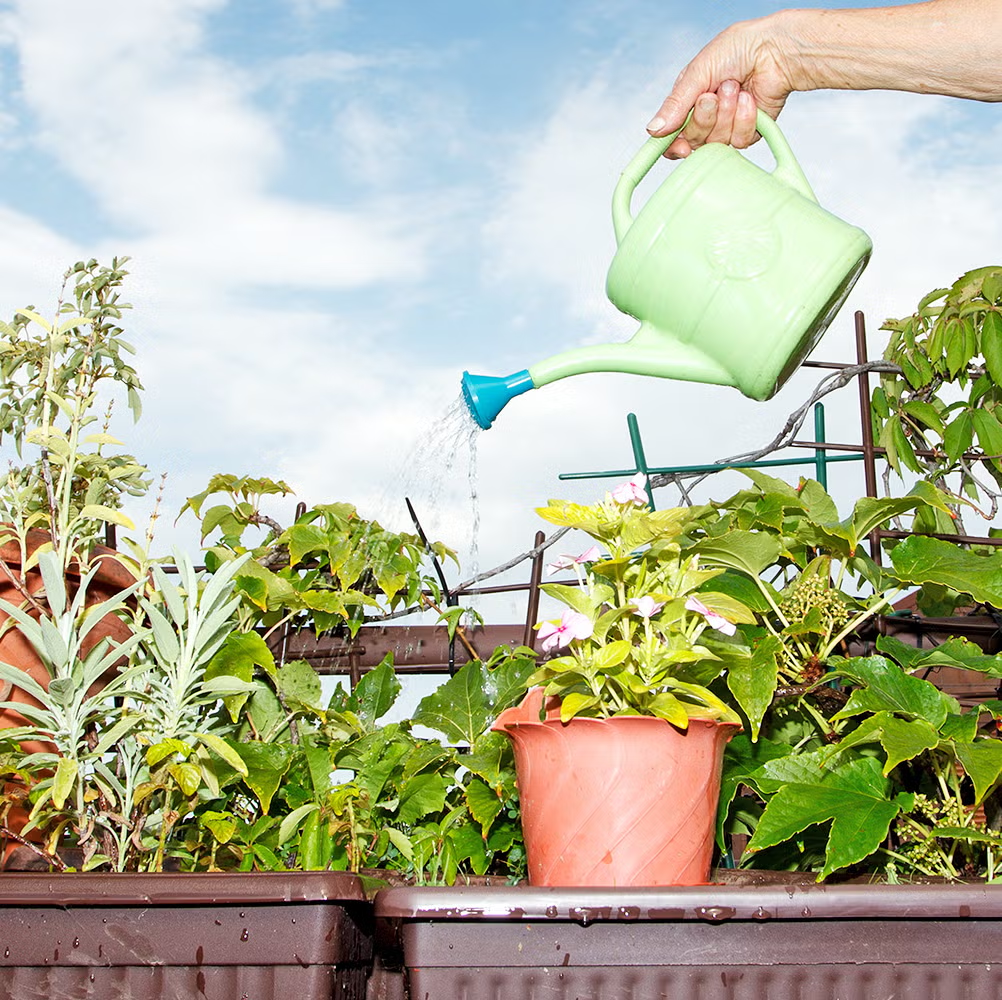
Here’s where people usually go wrong. They see yellow leaves, assume underwatering because that’s the more commonly discussed cause, and add more water on top of soil that’s already saturated. On a balcony specifically, this mistake compounds fast because containers don’t have the buffering capacity of ground soil, and a pot that’s overwatered once can take days to properly dry back out, especially with a container material that holds moisture well. If your watering routine has been more guesswork than schedule, watering balcony containers, how often in summer heat is worth reading before adjusting anything further, because getting that baseline right solves a surprising number of yellowing cases on its own.
3. Sun Exposure Changes What Yellowing Actually Means
A plant that’s suddenly getting more direct sun than it was bred for, say after a season where a taller plant nearby stopped shading it, or after you moved pots around for spring, can develop yellow, bleached-looking patches that get mistaken for nutrient problems. This is sun scorch, not deficiency, and more fertilizer won’t touch it. The fix is shade cloth, repositioning, or accepting some leaf loss while the plant adjusts.
The opposite problem happens just as often on balconies with limited light. A plant slowly losing sun exposure, maybe from a new building going up nearby or trees filling in overhead, will often yellow gradually from lack of adequate light for photosynthesis, and it’s easy to miss because the change happens slowly enough that you don’t clock it day to day. If you suspect this might be part of what’s going on, 5 signs your balcony is getting less sun than you think covers exactly this kind of gradual shift and how to actually confirm it rather than guess.
4. A Quick Reference for Sorting Out What You’re Actually Looking At
| Pattern | Likely Cause | What To Do First |
|---|---|---|
| Oldest leaves yellow first, plant otherwise healthy | Natural aging or nitrogen deficiency | Check fertilizing schedule, remove affected leaves |
| New growth yellow, veins stay green | Iron or micronutrient deficiency | Test soil pH, consider chelated iron feed |
| Whole plant yellows suddenly | Root stress from over or underwatering | Check soil moisture at 2 inches deep before acting |
| Yellow, bleached patches on sun-facing leaves | Sun scorch | Provide afternoon shade or reposition pot |
| Slow, gradual yellowing over weeks | Declining light levels | Reassess actual sun hours reaching the balcony |
5. Soil Quality Plays a Bigger Role Than Most Container Gardeners Assume
Potting mix breaks down over a single growing season, and as organic matter decomposes, the structure changes in ways that affect both drainage and nutrient availability. A mix that worked beautifully in April can be compacted and nutrient-thin by August, and the resulting yellowing gets blamed on watering or sun when the actual issue is that the soil itself has changed underneath the plant. This is one of those things nobody tells beginners, and I didn’t figure it out myself until my second full season growing on a balcony.
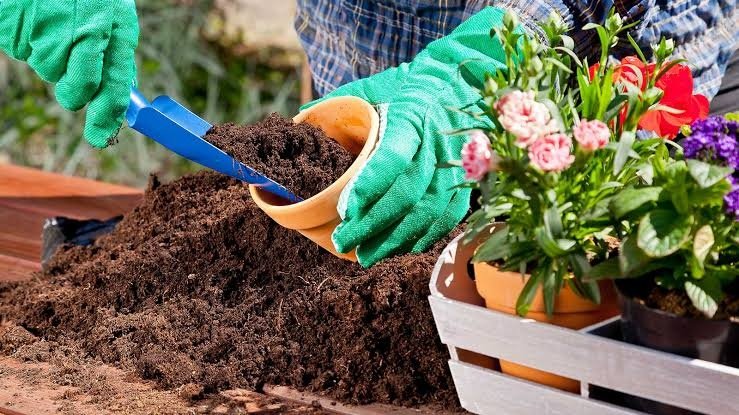
Refreshing the top few inches of soil mid-season, or top-dressing with compost, addresses this more directly than adjusting water or fertilizer alone would. If your current soil setup has been the same since you filled the pots in spring, it might genuinely be time to look at how small balcony garden chooses the right soil for containers, because the answer to persistent yellowing sometimes isn’t a symptom fix at all. It’s a structural one.
Yellow leaves aren’t a verdict on your gardening. They’re closer to a note passed along by the plant, and once you know how to read where it starts and how fast it spreads, most of the guesswork disappears. Pull the affected leaves once you’ve identified the cause, adjust the actual issue rather than the nearest obvious one, and give it a week or two before deciding whether the fix worked.
FAQs
Should I remove yellow leaves right away or leave them on the plant? Remove them once you’ve identified the likely cause, since yellow leaves aren’t contributing much photosynthesis anyway and can sometimes attract pests. Leaving a few on briefly while diagnosing the issue is fine, but there’s no benefit to keeping them long-term.
Can yellow leaves mean my plant has a disease rather than a growing condition issue? Yes, though disease-related yellowing usually comes with other signs like spots, a powdery coating, or a distinct pattern that doesn’t match the categories above. If yellowing is accompanied by visible fungal growth or lesions, that points toward disease rather than a nutrient or watering issue.
Why does only one side of my plant show yellow leaves? This usually points to uneven sun exposure or airflow, where one side of the plant faces a wall, railing, or shaded corner while the other gets full exposure. Rotating the pot every week or two often resolves this over time.
Is yellowing worse in certain seasons for balcony plants? Late summer tends to bring more yellowing overall, partly from heat stress and partly from soil nutrients running low after a full growing season without replenishment. Early spring yellowing is more often tied to overwatering as gardeners adjust from winter dormancy habits.
Does fertilizer fix most yellowing problems? Only if the cause is actually a nutrient deficiency, which is common but far from universal. Fertilizing a plant that’s yellowing from overwatering or root stress can make things worse by adding more salts to soil that’s already struggling to drain.
For anyone dealing with a specific balcony plant that seems to yellow every year around the same time, why your balcony basil wilts by afternoon covers a closely related pattern worth ruling out too.