My first year growing on a balcony, I bought twelve tomato seedlings in April because the garden center had them on sale and I figured more plants meant more tomatoes. By July I had six dead plants, four stunted ones, and two that somehow made it, crammed into containers that were nowhere near big enough for what a tomato plant actually needs. I learned more from that mess than from any guide I’d read beforehand, and most of what I learned was about mistakes, not successes.
That first season taught me things the hard way, and I still see new balcony gardeners walking straight into the same seven traps every spring. None of them are complicated once you know about them. They’re just not obvious until you’ve lived through the consequences once.
1. Buying Plants Before Assessing the Space
This was my tomato mistake exactly. I bought what looked appealing at the nursery instead of figuring out what my balcony could actually support. Sun exposure, wind, available floor space, and weight limits should all come before plant selection, not after.
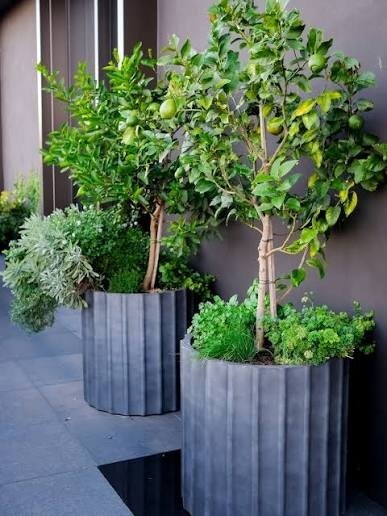
A south-facing balcony in full sun all afternoon can support tomatoes and peppers without much trouble. A north-facing one with two hours of morning light cannot, no matter how much you want it to. If you haven’t actually mapped your light conditions yet, Small Balcony Garden has a guide to where total beginners should actually start that walks through this assessment step before you spend a dollar on plants.
2. Underestimating Container Size
New gardeners consistently choose containers that are too small, and it’s an easy trap because small pots are cheaper, lighter, and take up less space on a crowded railing. But roots need room, and root-bound plants in undersized pots dry out fast, stop growing, and become far more vulnerable to heat stress.
The University of Maine Cooperative Extension’s troubleshooting bulletin on container gardens notes that plants which appear yellowed and lacking vigor from the bottom up are frequently suffering from excessive water combined with poor drainage, a combination that shows up constantly in undersized pots where there’s barely any soil volume to buffer moisture swings. I learned to size up by roughly one container size larger than what felt intuitively “enough,” and my plants have been noticeably healthier since.
3. Skipping the Weight Question Entirely
Nobody thinks about this until a neighbor mentions it or, worse, a building manager does. Balconies have weight limits, and a collection of large, soil-filled ceramic pots adds up faster than people expect. Wet potting soil is heavy on its own before you even account for the container material.
I genuinely didn’t calculate this my first year. I got lucky. Not everyone does, and it’s a real structural safety issue, not just a technicality. Before you commit to a full setup, it’s worth actually calculating your balcony’s weight load rather than guessing, especially in older buildings where the original balcony specs weren’t designed with a garden in mind.
4. Watering on a Schedule Instead of Checking the Soil
This one is almost universal among first-year balcony gardeners. Someone tells them to water every other day, or every morning, and they follow that rule regardless of actual weather. But a cool, overcast week needs far less water than a heat wave, and pots dry out at wildly different rates depending on material, size, and sun exposure.
The UC Cooperative Extension office in Los Angeles County lists insufficient drainage and aeration as a leading cause of container plants that wilt even when they’re getting plenty of water, which is exactly the confusing scenario a fixed watering schedule creates. And look, I get why the schedule feels safer. It removes the guesswork. But guesswork done right, meaning an actual finger test in the soil, beats a fixed schedule every single time. If summer heat has you second-guessing your routine, this breakdown of watering frequency in summer covers how much things actually shift as temperatures climb.
5. Ignoring Drainage Holes Until There’s a Problem
Plenty of decorative pots sold at garden centers and home stores have a single small drainage hole, or none at all, because they’re designed to look good rather than grow anything successfully. New gardeners often don’t notice this until they’ve already got a plant sitting in standing water, roots going soft, and no easy fix beyond starting over.
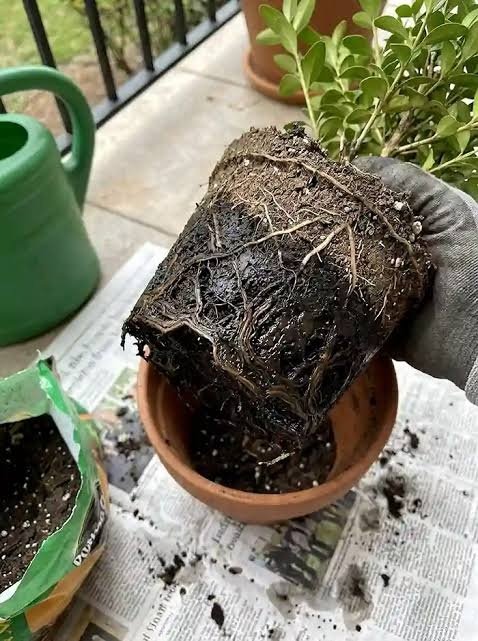
Here’s where people usually go wrong on this one specifically: they assume any pot labeled as a planter is automatically suitable, and a lot of them just aren’t without modification.
6. Planting Everything on Day One Instead of Testing First
I understand the impulse. A blank balcony feels like an invitation to fill every inch immediately. But plants react to microclimates that vary even across a single balcony, sometimes dramatically between one corner and another just a few feet away.
A smarter approach, and one I wish someone had told me directly instead of me discovering it through a season of losses, is to test individual plants in a spot for a few weeks before building out a full setup around them. It’s a slower process. It’s also far less expensive than replacing a dozen dead plants at once. If you want the actual method for this, testing every plant before it earns a permanent spot lays out how to do it without losing an entire season to trial and error.
7. Treating Every Failed Plant as a Personal Failure
This one isn’t technical, but it might be the most important. New gardeners lose a plant and assume they simply don’t have a green thumb, when the actual cause was almost always something specific and fixable: wrong light, wrong pot, wrong watering pattern, or a plant that was never suited to that exact spot in the first place.
I killed a genuinely embarrassing number of plants my first two years. That’s not a confession I make lightly, but it’s also just what learning container gardening on an exposed, unpredictable balcony actually looks like for almost everyone who does it long enough to get good at it.
Quick checklist for your first season, before you buy anything:
- Map your actual sun exposure across a full day, not just a glance in the morning
- Confirm your balcony’s weight capacity before filling it with heavy containers
- Choose pots one size larger than feels necessary, with real drainage holes
- Check soil moisture by hand instead of watering on autopilot
- Test new plants in a single spot before committing to a full layout
- Expect some plant losses and treat them as information, not failure
None of these mistakes mean you’re bad at this. They mean you’re doing what every single person who’s ever grown anything in a container has done before you, which is learning the specific conditions of your own space the hard way, one dead tomato at a time if that’s what it takes.
FAQs
Is it normal to lose plants in your first year of balcony gardening? Yes, and it’s more common than most people admit publicly. The learning curve on any specific balcony’s light, wind, and heat pattern takes at least one full growing season to understand properly.
What’s the single most avoidable mistake on this list? Container size, honestly. It’s the cheapest fix, since sizing up costs a bit more upfront but prevents a cascade of watering and root problems that are much harder to reverse later.
Should beginners start with vegetables or something easier? Herbs like chives, thyme, and mint tend to forgive beginner mistakes better than fruiting vegetables like tomatoes or peppers, which have narrower tolerances for inconsistent watering and light.
How do I know if my balcony can even support a real garden setup? Between sun exposure, wind, and weight capacity, there are a few concrete things to check before committing to pots and soil, and starting small while you learn those specifics saves both money and disappointment.
Do these mistakes apply the same way to a shaded balcony as a sunny one? Most of them, yes, though shaded balconies add an extra layer since plant selection becomes even more restrictive and mistakes around light exposure compound faster than on a sunnier setup.
Small Balcony Garden exists mostly because of the mistakes documented above, and for anyone curious about the deeper troubleshooting behind common container symptoms, the University of Maine Extension’s container gardening bulletin is a genuinely useful reference to bookmark.