A reader asked me once why a plant labeled “perfect for balconies and patios” died on her east-facing balcony within six weeks, while the same variety thrived for her sister two floors down on a west-facing unit in the same building. The short answer is that the label wasn’t wrong exactly. It just wasn’t describing either of their balconies specifically, because it can’t.
That’s the problem nobody explains at the nursery checkout. “Balcony-friendly” is a marketing category, not a growing condition. It usually just means the plant stays compact, tolerates some container life, and won’t sprawl over a railing. It says almost nothing about wind tolerance, heat reflection off concrete, or how the plant handles four hours of direct afternoon sun bouncing off a glass door. Those are the variables that actually decide whether a balcony plant lives or dies, and a sticker on a plastic pot has no way of knowing your building’s orientation.
1. What the Label Is Actually Certifying, and What It Isn’t
Nursery labeling standards vary by supplier, and there’s no regulated definition of “balcony-friendly” the way there is for something like “organic” produce. Most commonly, it signals dwarf or compact growth habit, tolerance for root-bound conditions in smaller pots, and a manageable mature size. That’s genuinely useful information. It tells you the plant won’t outgrow a container in one season or need six feet of lateral space.
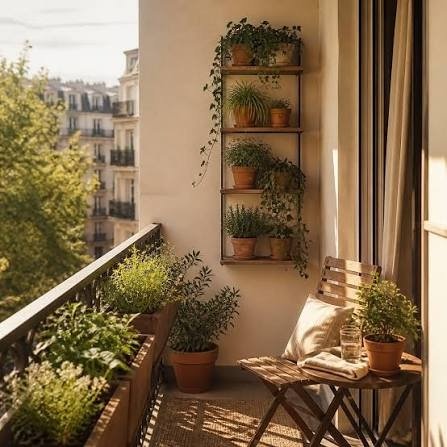
What it doesn’t tell you is wind resistance, which matters enormously on higher floors, or how the plant performs under reflected heat, which is a real and different stress from ambient outdoor heat. A “balcony-friendly” pepper variety bred for compact growth can still scorch and wilt daily on a south-facing balcony that runs ten degrees hotter than the forecast temperature, a pattern covered in more depth over on why your balcony feels hotter than a backyard. The label and the actual microclimate are two separate conversations, and treating them as one is where a lot of frustration starts.
2. The Myth: If It’s Labeled for Balconies, It’ll Work on Any Balcony
This is the belief that causes the most repeat disappointment, and I hear it constantly through comments on small balcony garden online. People assume the label functions like a universal pass, when balconies vary more from building to building than almost any other growing space in home gardening. A north-facing balcony in a shaded courtyard and a south-facing balcony sixteen floors up with constant wind exposure are not the same environment just because they’re both technically balconies.
Here’s where people usually go wrong. They buy the labeled plant, follow the tag’s basic care instructions, and when it struggles, they assume they did something wrong with watering or soil. Often the real issue is that nobody checked whether the balcony’s actual sun exposure and wind conditions matched what the plant needs, regardless of what the tag promised. If you haven’t sorted out your own balcony’s light pattern yet, reading your balcony’s sun before planting is genuinely the first step that should happen before any plant purchase, labeled or not.
3. What Actually Determines Whether a Plant Belongs on Your Balcony
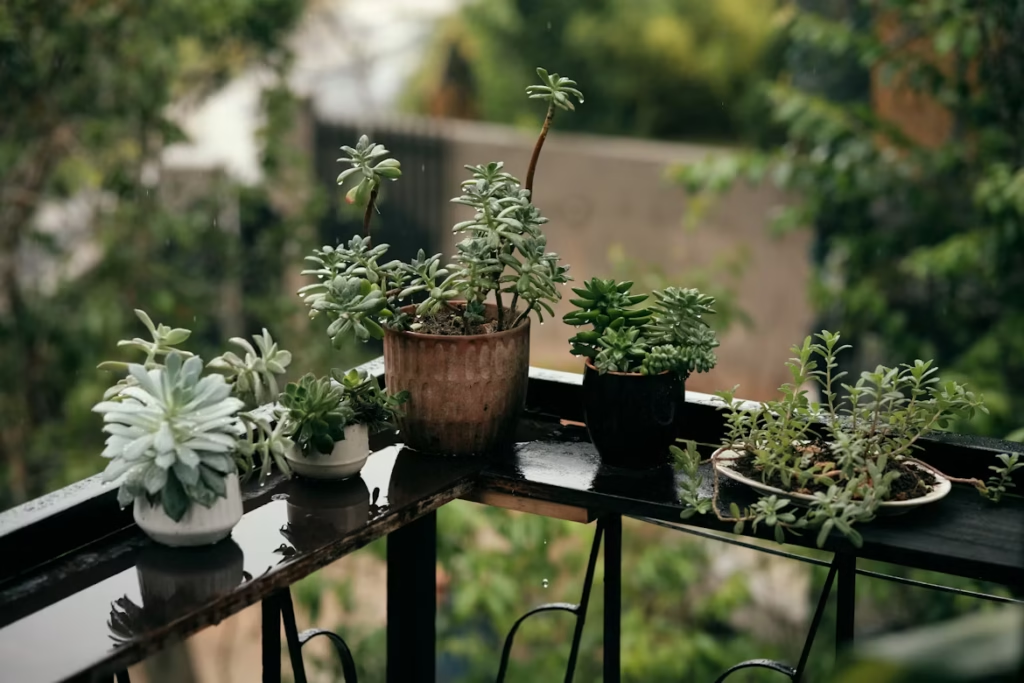
Skip the tag for a moment and look at three things instead. First, your actual sun hours and direction, not the general climate zone for your city. Second, wind exposure, which increases sharply with floor height and can desiccate leaves faster than heat alone. Third, your container setup, since even a genuinely well-suited plant struggles in a pot that’s too small or drains poorly.
| Factor | What the Label Tells You | What You Need to Check Yourself |
|---|---|---|
| Growth habit | Usually accurate | N/A, this part is reliable |
| Sun tolerance | Vague or generic | Actual hours and direction on your balcony |
| Wind tolerance | Rarely mentioned | Floor height, exposure, nearby windbreaks |
| Heat reflection | Never mentioned | Surface materials, glass proximity, orientation |
| Watering needs | Generic range | Your pot size, material, and drainage setup |
For wind specifically, since it’s the factor labels ignore most consistently, is your balcony too windy for a garden, here’s how to tell walks through the practical signs worth checking before committing to any plant, labeled friendly or not.
4. When the Label Is Genuinely Useful, and When to Ignore It Entirely
The label earns its keep for one thing mainly, mature size and root behavior. If you’re choosing between two tomato varieties and one is marketed as compact or patio-friendly, that distinction is usually real and worth trusting. Dwarf and determinate varieties really do stay smaller and handle container life better than sprawling indeterminate types, and that’s a meaningful difference a beginner might not otherwise catch while standing in a nursery aisle.
Where the label stops being useful is anywhere it implies the plant will simply handle “outdoor container conditions” as a blanket claim. And that’s most of the time, honestly, because writing “moderate wind tolerance, best on balconies below the fourth floor with afternoon shade” doesn’t fit on a two-inch plastic tag. Nurseries aren’t being dishonest so much as compressing a complicated answer into a marketing shorthand that leaves out the details that matter most for your specific setup.
One quiet note here, since it’s easy to overlook: even genuinely balcony-suited plants still need testing in your actual space before you commit a whole growing season to them. A small trial run beats trusting any label completely, and test every plant before it earns a spot on your small balcony is basically built around that exact idea, treating your balcony as the final judge rather than the tag.
Buy the labeled plant if the growth habit and size fit what you need. Just don’t expect the sticker to have done the harder work of checking whether your specific balcony, with its specific sun angle and wind pattern and heat reflection, is actually the right home for it. That part’s still on you, and honestly, it only takes one season of paying attention to get a real feel for it.
FAQs
Does “balcony-friendly” mean the plant is safe from wind damage? No, wind tolerance is almost never part of that labeling. Compact size can help reduce wind stress somewhat, but it’s not a guarantee, especially on higher floors where gusts are stronger and more constant.
Are dwarf varieties always better for balconies than standard ones? Usually, yes, for space and root management, though not always for yield or flavor, since some dwarf varieties trade productivity for compactness. Check specific variety reviews rather than assuming dwarf automatically means better.
Why did the same labeled plant do fine at the garden center but struggle on my balcony? Garden centers often provide filtered light, wind protection, and consistent watering that your balcony likely doesn’t replicate. The adjustment period after bringing a plant home is where a lot of stress shows up, particularly with sun and wind exposure changes.
Is it worth paying more for plants specifically marketed for balconies? Sometimes, mainly for genuinely dwarf or bred-for-container varieties where the compact trait is real and useful. It’s not worth a premium purely for the word “balcony” on packaging without checking what growth habit it actually refers to.
What should I check before buying any plant, labeled or not? Your balcony’s sun hours and direction, your wind exposure at your specific floor height, and whether your container setup matches what the plant’s root system will need. Skipping any one of those three tends to be where problems start later.
If you’re still working out the basics of matching plants to your specific setup rather than relying on labels, balcony gardening 101, where should total beginners start is a solid place to build that foundation properly.