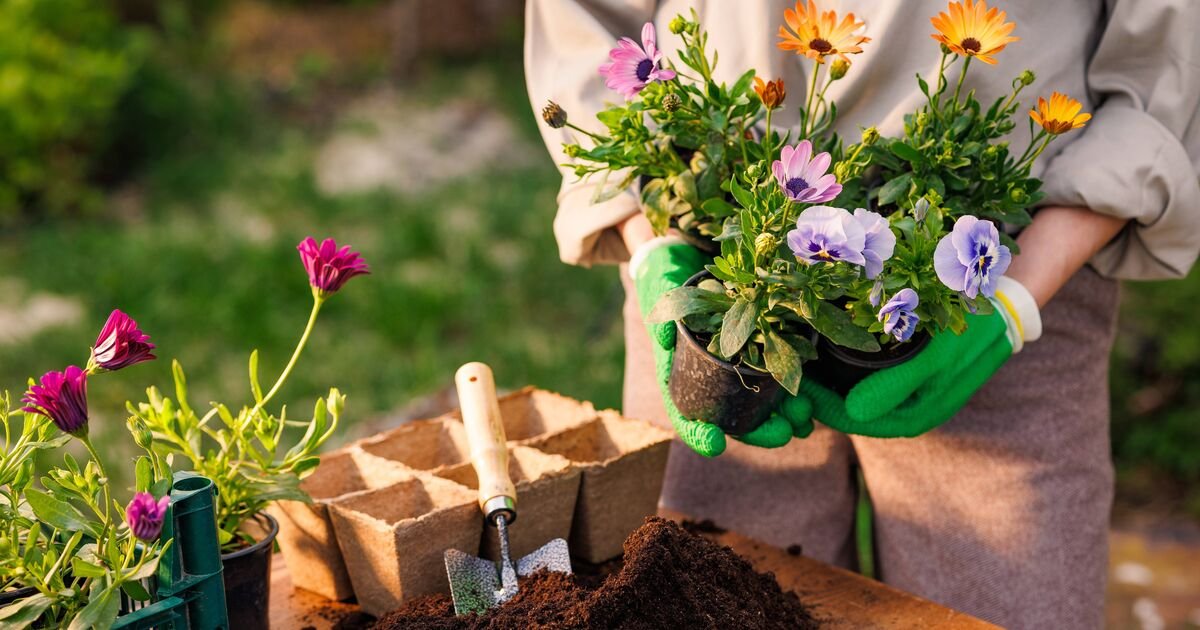
I killed my first three batches of tomatoes before I figured out what was actually going wrong.
It wasn’t bad luck. It wasn’t the weather (well, not entirely). It was me — making the same beginner mistakes over and over, convinced I was doing everything right because I’d read a few articles and bought decent soil.
Balcony gardening looks simple from the outside. You put plants in pots, water them, give them sun, done. But anyone who’s actually tried it knows there’s a gap between “looks alive” and “actually thriving.” And that gap is usually filled with a handful of very fixable mistakes.
Here are the 9 that I see — and have personally made — the most.
1. Overwatering: The #1 Silent Killer
Everyone worries about forgetting to water. But overwatering? That’s what actually kills most balcony plants.
The problem is that pots on balconies don’t behave like garden beds. There’s no deep soil to absorb excess water, no worms aerating things. Water just sits around the roots, cuts off oxygen, and invites root rot.
I used to water every single day because it felt like the responsible thing to do. My basil turned yellow, my mint went limp, and I blamed the heat. It wasn’t the heat.
How to tell if you’re overwatering:
- Leaves turn yellow (especially lower ones)
- Soil feels wet 2–3 inches deep even the next day
- You see mold or algae on the soil surface
- The pot smells slightly musty
The fix: Stick your finger 2 inches into the soil. If it’s still moist, don’t water. Simple as that. For most herbs and vegetables, watering every 2–3 days is plenty — sometimes less in cooler weather.
A moisture meter (you can grab one for under $10 on Amazon) takes all the guessing out of it. Genuinely one of the most useful things I’ve bought for my balcony.
2. Choosing the Wrong Pot Size
This one stings because it’s an easy mistake to make. You buy a cute little pot, plant your tomato seedling in it, and wonder why the plant barely grows past ankle height.
Roots need room. When a plant gets root-bound — meaning the roots have filled every inch of the pot — it stops putting energy into leaves and fruit and starts just surviving.
| Plant | Minimum Pot Size |
|---|---|
| Cherry Tomatoes | 10–12 inches (5 gallon) |
| Peppers | 10 inches (3–5 gallon) |
| Lettuce/Spinach | 6–8 inches |
| Herbs (Basil, Mint) | 6–8 inches each |
| Beans | 8–12 inches (3 gallon) |
| Cucumbers | 12+ inches (5 gallon) |
When in doubt, go bigger. A larger pot also holds moisture longer, which actually helps on hot balconies where small pots dry out in hours.
3. Ignoring Drainage (And Then Wondering Why Things Rot)
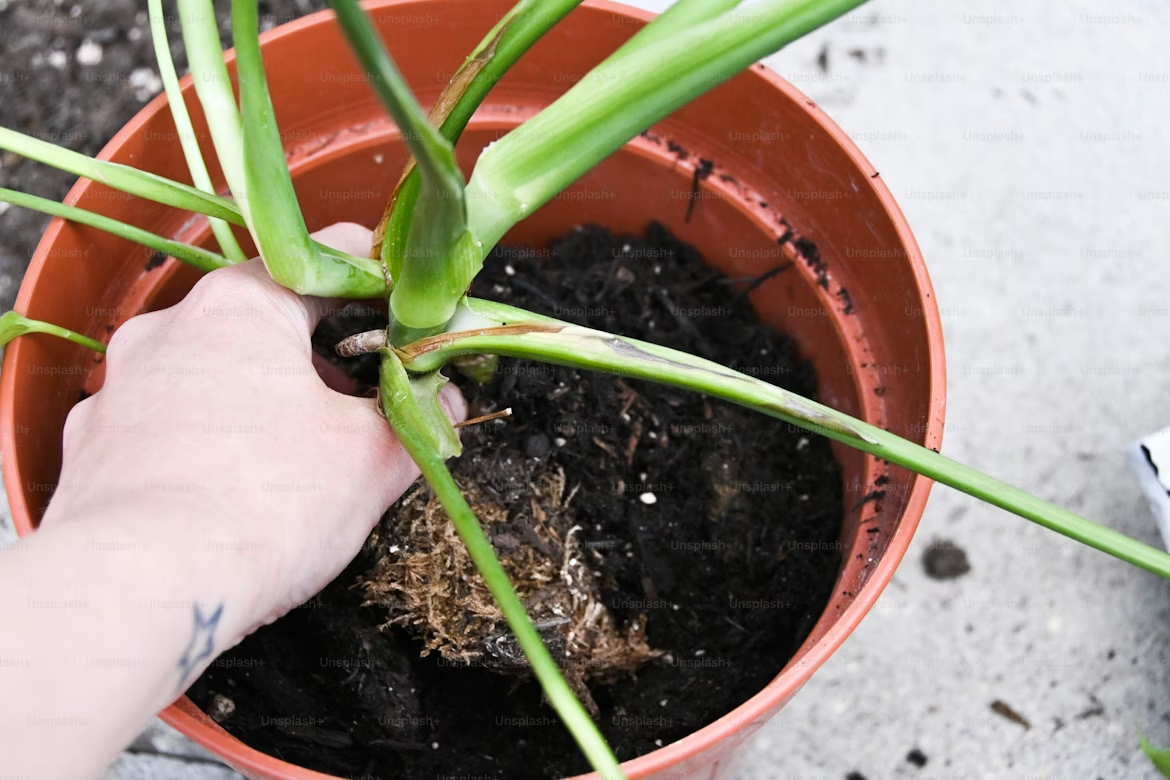
No drainage holes = death sentence for most plants.
I’ve seen people use decorative pots without holes because they look nicer. I get it — some of those drainage holes are ugly. But water needs somewhere to go. Without it, you’re essentially creating a slow-motion swamp.
If you love a decorative pot that has no holes, use it as an outer sleeve. Put your plant in a plain nursery pot with drainage inside it. Best of both worlds.
Also watch where your runoff water goes. On a balcony, constant dripping can upset neighbors below you. A simple drip tray solves this — just empty it every couple of days so it doesn’t become a mosquito pool.
4. Not Thinking About Sunlight Before Buying Plants
This one requires some honesty with yourself.
Before you buy anything, stand on your balcony at different times of day and watch the sun. How many hours of direct sunlight does it actually get? Because there’s a massive difference between:
- Full sun (6+ hours of direct sunlight): Tomatoes, peppers, cucumbers love this
- Partial sun (3–6 hours): Great for herbs, salad greens, some flowers
- Shade (less than 3 hours): You’re limited to ferns, some herbs, shade-tolerant plants
Most vegetable plants need 6–8 hours of sun. If your balcony faces north or gets blocked by a building for half the day, growing tomatoes there is going to be a frustrating experience.
Be realistic. I once spent a whole season trying to grow bell peppers on a north-facing balcony. They survived, but they never produced a single pepper. Shade-tolerant plants like lettuce and spinach now go on that side. Problem solved.
Check out these 10 balcony layout ideas for a smarter outdoor space to help you figure out where to place your plants based on your balcony’s sun exposure.
5. Using Bad Soil (Garden Soil in Pots is a Trap)
This catches so many beginners off guard. You go to the garden center, see bags of “garden soil,” and think — perfect, that’s what plants grow in.
But garden soil in containers is a disaster. It compacts. It gets waterlogged. It suffocates roots. It’s designed for open ground where earthworms and microbes constantly loosen it up.
What you actually want: A quality potting mix. Something that’s light, drains well, and ideally has some perlite or vermiculite mixed in for airflow.
My current go-to mix for most vegetables:
- 60% quality potting mix
- 20% perlite (improves drainage dramatically)
- 20% compost (adds nutrients)
For herbs, I go heavier on perlite because most Mediterranean herbs (basil, rosemary, thyme) absolutely hate sitting in moisture.
If you want to go deeper on this, 8 ultimate soil mix tips every gardener needs to know breaks down exactly what works for different plant types.
6. Skipping Fertilizer After the First Month
Here’s something people don’t realize: potting mix comes with nutrients, but they run out fast — usually within 4–6 weeks. After that, your plant is basically eating nothing.
In the ground, plant roots spread out searching for nutrients. In a pot, they’re stuck in a fixed amount of soil. What’s there gets used up, and then it’s gone.
Signs your plant is starving:
- Pale, yellowing leaves (especially newer growth)
- Slow or stunted growth
- Lots of leaves but no flowers or fruit
- Leaves dropping off for no apparent reason
What I use:
- Liquid fertilizer every 2 weeks during growing season (fish emulsion or a balanced 10-10-10 liquid feed)
- Slow-release granules worked into the top inch of soil at the start of the season
Don’t go crazy though. Over-fertilizing — especially with nitrogen — pushes leafy growth at the expense of flowers and fruit. More isn’t always better.
Here’s a quick reference for fertilizer timing:
| Stage | What to Use | Frequency |
|---|---|---|
| Seedling (0–4 weeks) | Half-strength liquid feed | Every 2 weeks |
| Vegetative (growing leaves) | Balanced NPK (10-10-10) | Weekly |
| Flowering/Fruiting | High potassium feed (e.g., tomato feed) | Weekly |
| Winter/Rest Period | None | — |
7. Planting Too Many Things in One Pot
I completely understand the temptation. You’ve got a limited space, you want variety, so you stuff a bunch of different plants into one container and call it a “mixed planter.”
Sometimes this works. Most of the time, it’s a slow struggle where one plant dominates and the others fade out.
The issue is competition — for water, nutrients, and light. If you put a mint plant next to a pepper, the mint will spread aggressively and choke everything around it. If you pair a water-hungry plant with a drought-tolerant one in the same pot, one is always going to be unhappy.
Plants that play well together in containers:
- Tomatoes + Basil + Marigolds (classic combo — marigolds repel pests)
- Lettuce + Spinach + Radishes (all have similar needs and sizes)
- Peppers + Herbs like Oregano or Thyme
Plants to keep separate:
- Mint (it literally takes over — always give it its own pot)
- Fennel (releases chemicals that inhibit many other plants)
- Brassicas (cabbage, broccoli) don’t mix well with most things
For more on this, 11 clever plant pairings that make your garden flourish is genuinely worth reading — some of those combinations will surprise you.
8. Not Dealing With Pests Until It’s Too Late
I used to check my plants for pests maybe once a week. That’s not enough.
Aphids can colonize a plant overnight. Spider mites multiply in dry, hot conditions — which is exactly what a summer balcony offers them. By the time you see the damage clearly, the infestation is already advanced.
The habit that actually works: Flip a few leaves every time you water. Pests almost always hide on the underside first. Catching them early means a quick fix instead of a full plant loss.
Common balcony pests and what to do:
| Pest | Signs | Quick Fix |
|---|---|---|
| Aphids | Sticky residue, curled leaves | Neem oil spray, blast with water |
| Spider Mites | Fine webbing, speckled leaves | Increase humidity, neem oil |
| Whiteflies | Cloud of white when disturbed | Yellow sticky traps, insecticidal soap |
| Fungus Gnats | Tiny flies around soil | Let soil dry out more, BTi drops |
| Mealybugs | White fluffy cotton-like clusters | Rubbing alcohol on cotton swab |
My regular spray: 1 teaspoon neem oil + a few drops of dish soap + 1 liter of water. Spray every 7–10 days as prevention, not just reaction. It’s cheap and it actually works.
9. Giving Up After One Bad Season
Okay, this last one isn’t a gardening technique — but it might be the most important mistake on this list.
Almost every successful balcony gardener I know had a terrible first season. Plants died. Money was wasted. Things that “should have worked” completely failed. That’s just part of it.
The difference is that they kept notes, figured out what went wrong, and tried again differently.
I keep a dead simple garden journal — honestly just a notes app on my phone. I write down what I planted, when, what soil I used, how it went. When something dies, I have a record to look back on. When something thrives, I know exactly what I did and can repeat it.
You don’t need to get everything right in year one. Balcony gardening is one of those things where experience genuinely beats information. You learn your specific balcony — its wind, its sun patterns, how fast pots dry out — and that knowledge is more valuable than any article.
A Quick Cheat Sheet Before You Go
| Mistake | What’s Happening | The Fix |
|---|---|---|
| Overwatering | Root rot, oxygen deprivation | Finger test or moisture meter |
| Wrong pot size | Root-bound, stunted growth | Match pot size to plant type |
| No drainage | Waterlogged soil | Always use drainage holes |
| Wrong sun | Plants not producing | Check hours before buying |
| Garden soil in pots | Compaction, rot | Use potting mix with perlite |
| No fertilizer | Nutrient depletion | Liquid feed every 2 weeks |
| Overcrowding pots | Competition, dominance | One plant per pot or smart pairs |
| Ignoring pests | Rapid infestation | Weekly leaf checks, neem oil |
| Quitting too early | Miss the learning curve | Journal, adjust, keep going |
These mistakes aren’t catastrophic. Every single one of them is fixable, and most of them are completely preventable once you know what to look for.
The thing about balcony gardening is that the feedback loop is fast — plants tell you pretty quickly when something’s off. You just need to know what they’re saying.
If you’re just getting started and want to avoid overwhelm, this guide on 5 simple balcony beginner suggestions for converting any outdoor area into your favorite place is a solid starting point before you dive into the more advanced stuff.