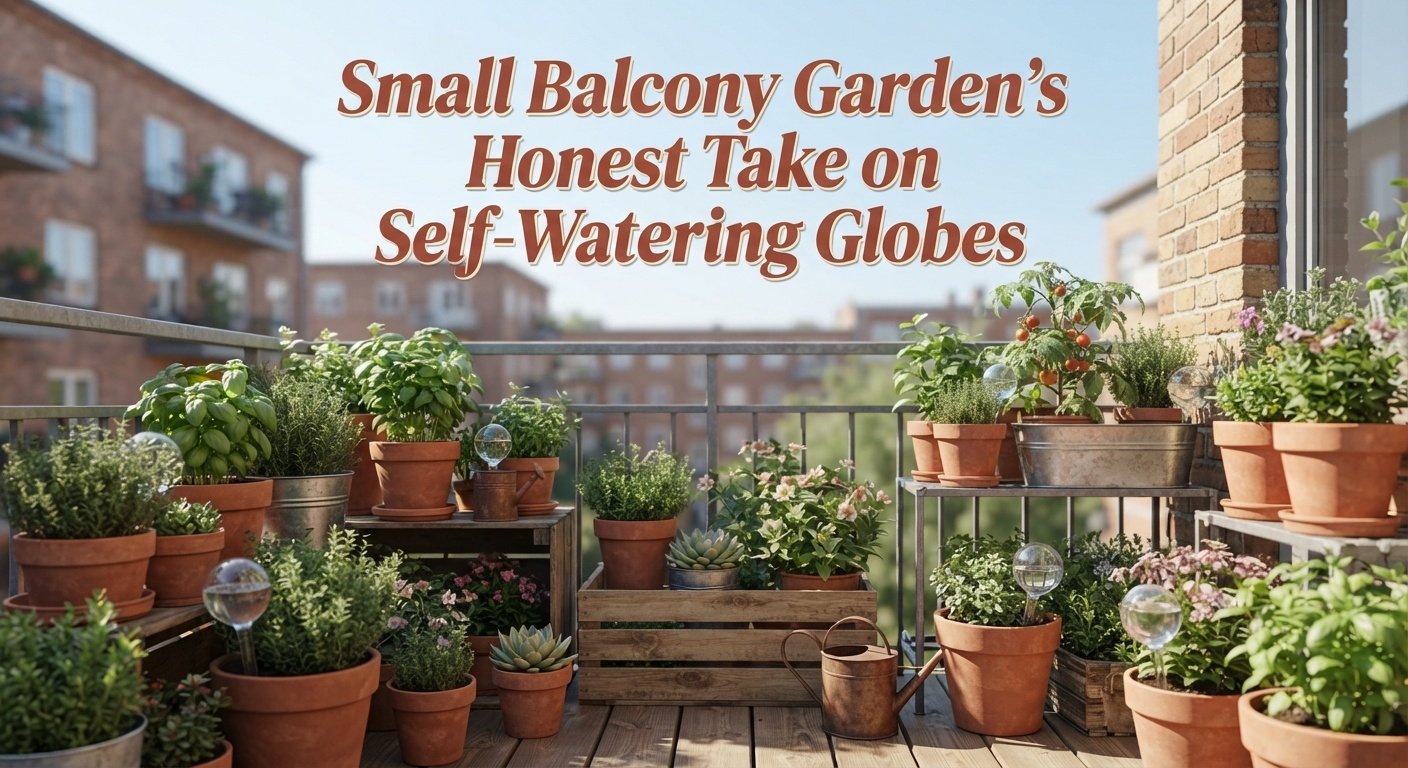
Every gardening forum has the same thread eventually. Someone posts a photo of glass teardrop bulbs stuck in their pots, asking if these things actually work or if they’re just decoration with a marketing budget. The comments split into two camps, always. One group swears by them. The other says they’re a scam. Both are half right, and that’s the part nobody wants to hear because it’s less satisfying than a clean verdict.
So let’s actually sort through it, myth by myth, the way I wish someone had done for me before I bought a twelve-pack of the wrong globes for the wrong plants.
1. The Myth: One Globe Waters Any Pot for Two Weeks
This is the promise on nearly every packaging insert, and it’s the reason people buy these in bulk before a trip without thinking much further. The truth is that a globe’s watering duration depends on three things that vary wildly from pot to pot: the size of the reservoir, the size of the neck opening, and how compact or loose your soil is.
A standard glass globe holds somewhere between three and five ounces of water. That’s barely enough to keep a four-inch succulent pot damp for a week, let alone a fourteen-inch tomato container that drinks through a quart of water a day in July heat. Manufacturers test these under gentle indoor conditions, not on a sun-baked balcony railing. Match the wrong globe to the wrong pot and you’ll come home either to a dust bowl or a swamp.
Terracotta globes behave differently. They release water through the porous clay walls via capillary action, not just through a single neck opening, which spreads moisture more evenly through the soil. But that same porosity means they clog faster in heavy, compacted soil, which is exactly the soil most balcony containers end up with after a season or two of watering compressing everything down.
2. The Myth: Any Soil Works Fine With a Globe
Here’s where people usually go wrong, and it’s not really their fault since nobody tells them this part. Globes, especially the terracotta kind, rely on a pressure difference between the wet clay and the dry soil around it. If your potting mix has compacted into something dense and root-bound, the water can’t move through it the way it’s supposed to.
I learned this from a reader question a few seasons back, someone asking why her globe “just sat there full” for a week without the water level dropping at all. Turned out her soil hadn’t been refreshed in over a year and had turned into something closer to packed clay than potting mix. The University of Maryland Extension’s Home and Garden Information Center has fielded similar questions about clay-based watering devices, and their answer lines up with what I see on balconies constantly: heavy or compacted soil is the single biggest reason these devices underperform, regardless of brand or price.
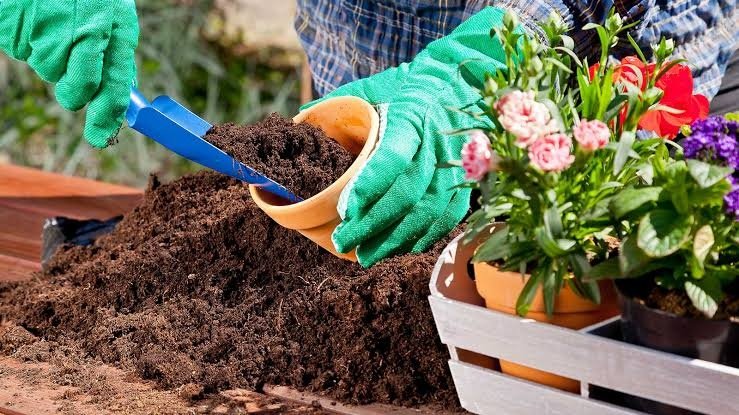
Loosen the soil around where the globe will sit before you insert it. And water the pot normally first, so the surrounding soil is already damp when the globe starts working, rather than asking it to hydrate bone-dry dirt from a standing start. If you’re not sure how much less sun your balcony gets compared to what a plant tag assumes, small balcony garden’s piece on 5 signs your balcony is getting less sun than you think is worth reading alongside this, since low light also slows soil drying and changes how fast a globe should be releasing water.
3. Pros and Cons, Laid Out Honestly
Pros
- Genuinely useful for small to medium pots on trips under a week
- Terracotta versions spread moisture more evenly than a single drip point
- Visual glass versions let you see water levels at a glance
- Cheap enough to test on a few pots before committing to a whole balcony
Cons
- Reservoir size is almost always smaller than people expect
- Performance drops sharply in compacted or heavy soil
- Angle and insertion depth affect flow rate more than most buyers realize
- Not a real substitute for drip irrigation on trips longer than ten days or so
- Cheap glass versions crack easily if a pot gets knocked over
That last point sounds minor until it happens to you on a balcony with limited floor space, where a dropped pot means glass shards mixed into soil you now have to sift through by hand.
4. Where Globes Actually Make Sense on a Balcony
I want to be fair to these things because the skepticism online sometimes swings too far the other way. For a weekend trip, a well-placed globe in a pot with loose, healthy soil does exactly what it promises. Herbs, small flowering annuals, anything in a pot under ten inches wide tends to do fine with a single quality globe, terracotta or glass.
Where they fall apart is scale. If you’ve got a dozen pots across a balcony, and half of them are larger containers that dry out fast in direct sun, a handful of globes becomes an inconsistent patchwork rather than a real system. That’s usually the point where it makes more sense to look at a proper drip line, or at minimum, to group your thirstiest pots together and only rely on globes for the smaller, more forgiving containers nearby.
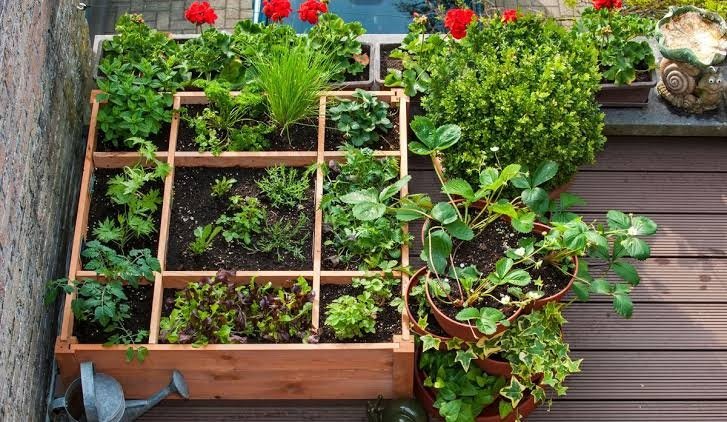
If you haven’t actually measured how much direct sun different spots on your balcony get, that’s worth sorting out before you buy anything. A pot in full afternoon sun and a pot in a shaded corner will drain a globe at completely different rates. I walk through how to check this properly in reading your balcony’s sun before planting, and small balcony garden readers ask about this exact mismatch more than almost anything else.
5. A Quick Setup Check Before Any Trip
Before you leave a globe unsupervised for the first time, do this once while you’re still home to watch it. Fill it, insert it at a slight angle so air can escape and water can flow, and check the soil after twenty-four hours. If the soil around the globe is visibly damp and the water level has dropped a noticeable amount, you’re set. If nothing seems to have moved, pull it out, loosen the soil more, and try again before you actually need it to work solo.
It also matters which plants you’re testing this on. Succulents and anything from a low-water genus will sit fine with minimal moisture and can actually suffer from a globe that releases too steadily, since their whole strategy is drying out between waterings. Checking each plant’s actual water preference before assigning it a globe, the way I outline in test every plant before it earns a spot on your small balcony, saves you from accidentally overwatering the one plant that wanted to be left alone.
None of this is complicated once you’ve done it once. It’s just one of those things nobody explains on the packaging, because “it depends on your soil and your pot size” doesn’t fit on a product label nearly as well as “waters your plants for two weeks.”
Frequently Asked Questions
Do glass watering globes work as well as terracotta ones? Not quite, no. Glass only releases water through the neck opening based on air pressure changes, while terracotta releases through the whole porous surface, which tends to distribute moisture more evenly through the surrounding soil.
How long does a standard watering globe actually last? Most hold three to five days of water for an average-sized pot in warm weather, closer to a week in cooler conditions or smaller plants. Anyone promising two full weeks from a single small globe is describing a best-case scenario that rarely matches a sunny balcony.
Can I use watering globes for vegetables like tomatoes or peppers? You can, but you’ll likely need two or three globes per large container rather than one, since a single globe’s reservoir is too small for how much water a fruiting vegetable pulls through in hot weather.
Will a globe overwater plants that prefer drier soil? Yes, this is a real risk for succulents and similar plants. A steadily dripping globe works against the dry-out cycle those plants actually need, so it’s often better to skip globes entirely for that category and water manually on a longer schedule instead.
What’s the biggest reason people say globes “don’t work” when they actually could? Compacted or old potting soil, almost every time. Refreshing the top few inches of soil and loosening it before inserting a globe solves most of the complaints people bring to me about these devices failing.
If you want more detail on how soil type affects these devices, the University of Maryland Extension’s Home and Garden Information Center has fielded reader questions on watering bulbs and clay pot irrigation that go deeper into the soil compaction issue than most product pages ever will.