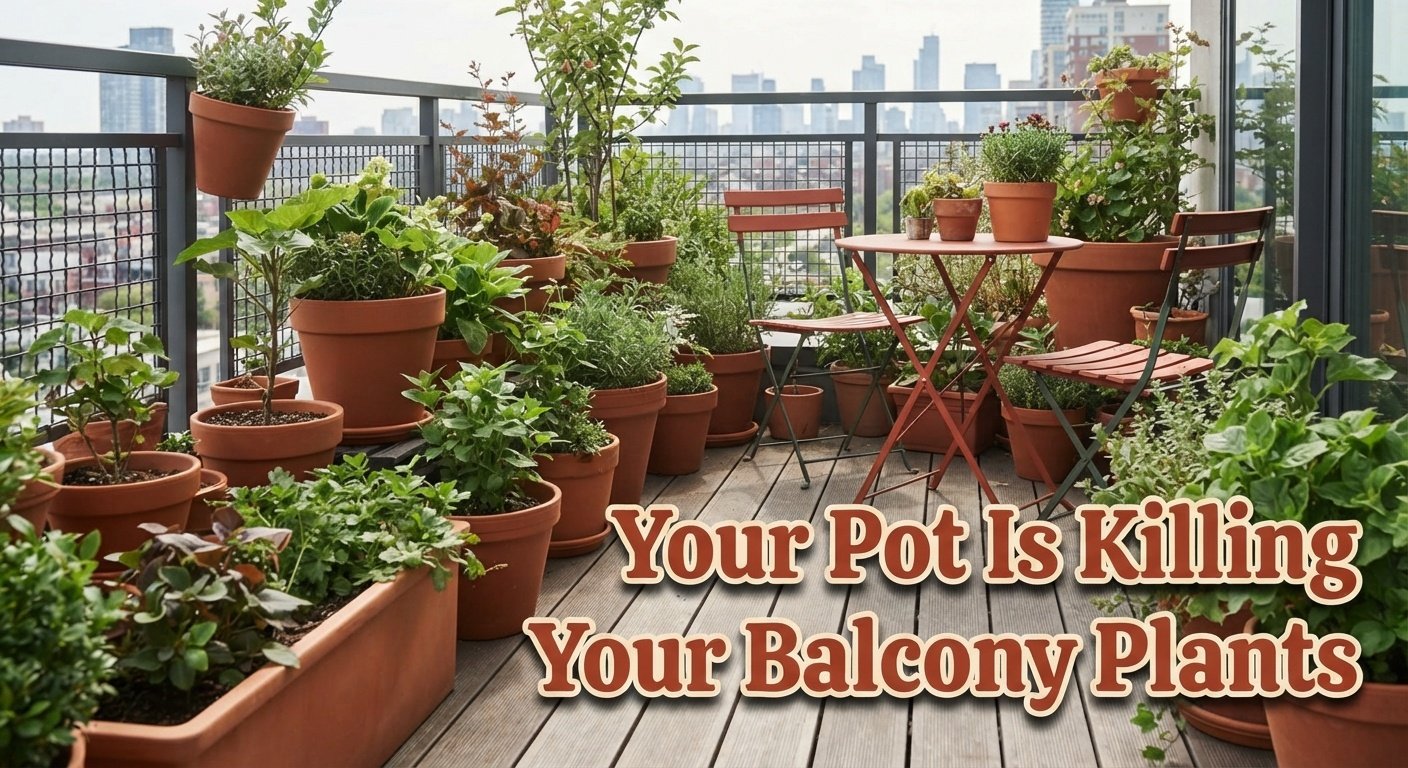
A reader once sent a photo of a basil plant that looked fine on top and completely cooked underneath, roots pale and mushy in a glossy black plastic pot that had been sitting in direct afternoon sun for three months straight. The plant wasn’t sick. The pot was doing that to it, slowly, one hot afternoon at a time.
That’s the part people miss. When a balcony plant struggles, the instinct is to blame water, soil, or sun exposure, in that order. The container itself rarely makes the suspect list, and yet on a balcony, where there’s no surrounding earth to buffer temperature or hold moisture, the pot is doing more work than almost anywhere else in gardening. Get the material or size wrong, and you’re fighting the container as much as you’re growing the plant.
1. Material Changes Everything About How Roots Experience Heat
Dark plastic absorbs and holds heat. On a balcony with several hours of direct sun, a black plastic pot can run considerably hotter on its inner surface than the surrounding air, and roots pressed against that wall don’t have anywhere to retreat to. Terracotta behaves differently. It breathes, which helps with airflow, but that same porosity means it dries out fast, sometimes faster than gardeners account for when they’re setting a watering schedule based on habits from a backyard bed.
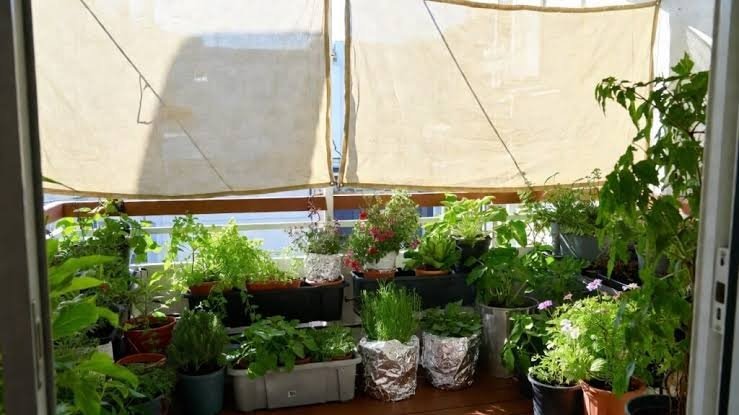
Glazed ceramic sits somewhere in the middle. It holds moisture longer than terracotta and doesn’t heat up quite as aggressively as thin plastic, though a lot depends on the glaze color and wall thickness. Metal containers, the galvanized buckets and troughs that have become popular for a certain aesthetic, are honestly rough on plants in full sun. They heat up fast and hold that heat, and I’ve watched people fall in love with the look and lose plants to it within a season.
For a deeper look at how materials hold up specifically against wind rather than heat, 4 balcony pot materials that survive wind best is worth a look too, since exposure often comes as a package deal on higher floors. And if terracotta is already your go-to, it’s worth understanding exactly where it falls apart in summer conditions, which balcony terracotta pots struggle in heat covers in more detail than most people expect going in.
2. Size Mismatches Cause Slow, Quiet Damage
A pot that’s too small for a plant’s root system creates stress that doesn’t always show up right away. Roots hit the walls, circle back on themselves, and eventually the plant spends more energy managing that cramped space than it does growing. But oversized pots cause a different, less obvious problem. Too much soil volume around a small root system holds water far longer than the roots can use it, and that excess moisture sits there, cooling and souring, well past the point where the plant needed a drink.
Here’s where people usually go wrong on small balcony garden online questions I get asked most often: they size up “to be safe,” assuming more room is always better. It isn’t. A tomato seedling in a container built for a mature plant will often perform worse in its first month than the same seedling in a properly sized pot, because the soil-to-root ratio works against it early on.
| Plant Type | Pot Diameter (Minimum) | Pot Depth (Minimum) |
|---|---|---|
| Herbs (basil, thyme, chives) | 8 to 10 inches | 8 inches |
| Leafy greens | 10 to 12 inches | 8 to 10 inches |
| Peppers, small tomatoes | 14 to 16 inches | 12 to 14 inches |
| Larger tomatoes, dwarf fruit | 18 to 20 inches | 16 to 18 inches |
Match the pot to where the plant is now, not where it might be in three months. You can always size up later, and honestly, sizing up mid-season is far easier on a plant than starting oversized and correcting course after root problems have already set in.
3. Color and Wall Thickness Matter More on South-Facing Balconies
This is the section most articles skip, and it’s a real gap, because balcony orientation changes how much this actually matters. A dark, thin-walled pot on a north-facing balcony with filtered light behaves nothing like the same pot on a south-facing ledge getting six hours of unbroken sun. If you haven’t worked out which category your space falls into, north vs south balconies, what changes lays out the differences clearly, and it changes a lot of the decisions that follow, pot choice included.
Lighter colored containers reflect more heat than they absorb. Thick-walled ceramic or double-walled plastic pots create an insulating buffer that slows down temperature swings inside the root zone. None of this means dark, thin containers are unusable, plenty of gardeners run them successfully, but it does mean the watering and placement decisions around them need to be more careful, not less.
4. The Drainage and Material Combination People Get Backwards
A well-draining pot material paired with poor drainage holes still fails. And a great drainage setup in a material that traps heat still stresses roots even if water is moving through fine. These two factors get treated separately in most advice, but on a balcony they’re really one decision. Terracotta with clogged holes rots roots almost as fast as glossy plastic with none at all, just through a different mechanism, heat versus standing water.
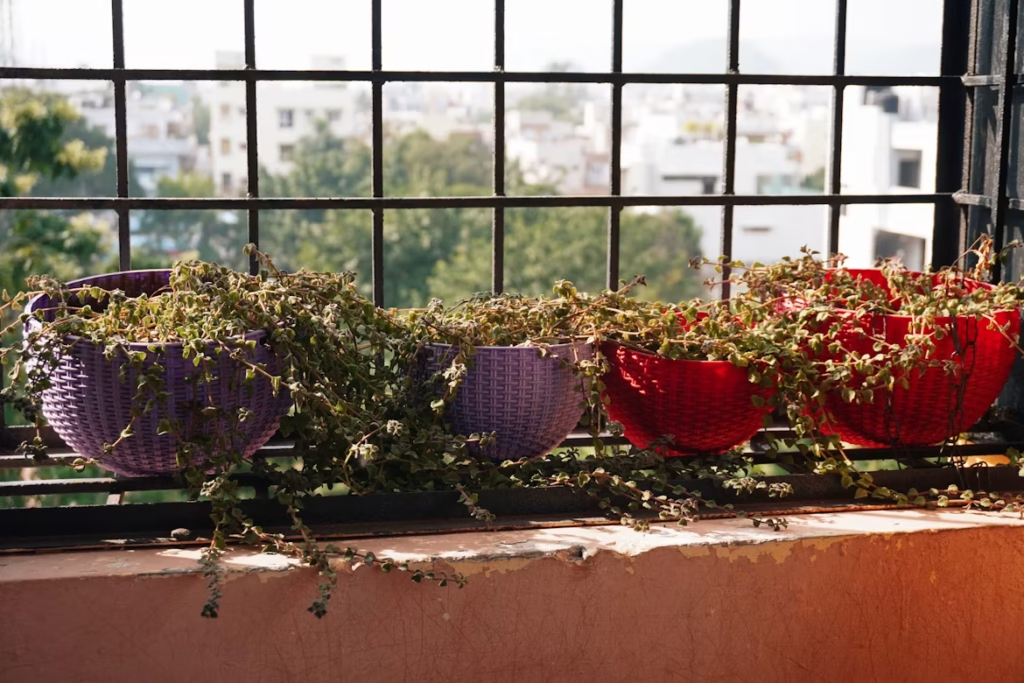
If drainage setup is something you haven’t fully sorted out yet, it’s worth reading through why your balcony container needs more than one drainage hole before finalizing pot choice, since the two decisions really should happen together rather than one after the other. Choosing the right material and then bolting on drainage as an afterthought is backwards, and it’s a mistake I see constantly on small balcony garden online threads and comment sections.
There isn’t one universally correct pot. There’s a pot that fits your specific balcony’s light, wind, and heat pattern, and one that fits the plant you’re actually growing right now rather than the one you’re hoping it becomes. Get those two things aligned and half the mystery problems balcony gardeners deal with just stop happening.
FAQs
Is plastic really worse than terracotta for balcony plants? Not universally. Plastic holds moisture longer and can overheat in direct sun, while terracotta dries faster but stays cooler through evaporation. The better choice depends on your sun exposure and how consistent your watering schedule is.
Can I reuse a pot that had a diseased plant in it? Yes, after a proper cleaning. Scrub out old soil, then soak the pot in a diluted bleach solution or white vinegar rinse before reusing it, and let it dry fully in the sun.
Does pot shape matter as much as size? Somewhat. Wide, shallow pots dry out faster and suit shallow-rooted plants like lettuce, while deep, narrower pots suit anything with a taproot or a larger root mass, tomatoes and peppers included.
Why does my plant look fine but the pot feels scorching hot to touch? That heat transfers into the root zone even if leaves haven’t shown stress yet. Move the pot into partial shade during peak afternoon hours, or add an insulating layer like a woven wrap around dark containers.
Should I switch all my pots to light colors if my balcony gets full sun? It helps, but it’s not the only lever. Pairing lighter colored pots with proper drainage and a watering routine suited to full sun conditions matters just as much as color alone.
For a wider walkthrough of getting your very first containers right, small balcony garden online has a solid starting point here: small balcony gardens, a simple guide to your first pots.